
Diabetes is rapidly increasing in India, affecting millions.
Thankfully, diet can have a major impact. Simple everyday choices like karela, methi, whole grains, and yoghurt can help steady blood sugar and improve overall health.
In this article, we examine the top 10 foods to manage diabetes in India, drawing on research and traditional dietary practices.
Key Statistics on Diabetes
A recent study published by the Indian Council of Medical Research (ICMR) in June 2023 revealed startling figures. It found that 101 million people in India are living with diabetes. Additionally, 136 million people are pre-diabetic, indicating a high risk of developing the disease.
This study surveyed over 113,000 individuals across India. It confirmed that diabetes rates are increasing in rural regions, although urban centres still report higher numbers.
A 2023 report from the International Diabetes Federation says India has the second-most diabetics in the world, after China.
Causes and Concerns
The rise in diabetes can be attributed to several factors. Lifestyle changes, such as a shift to less physically demanding jobs, have contributed to the problem. Additionally, dietary changes, including increased intake of processed foods and sugary beverages, play a significant role.
Genetic predisposition within the South Asian population also exacerbates the situation. The high number of individuals with pre-diabetes is particularly concerning. It poses a future burden on the healthcare system and highlights the necessity for proactive public health measures.
While stress is a hidden trigger for diabetes, meditation can ease anxiety and improve hormonal balance. You can read more about this in our guide on how meditation helps anxiety with Indian wisdom and science
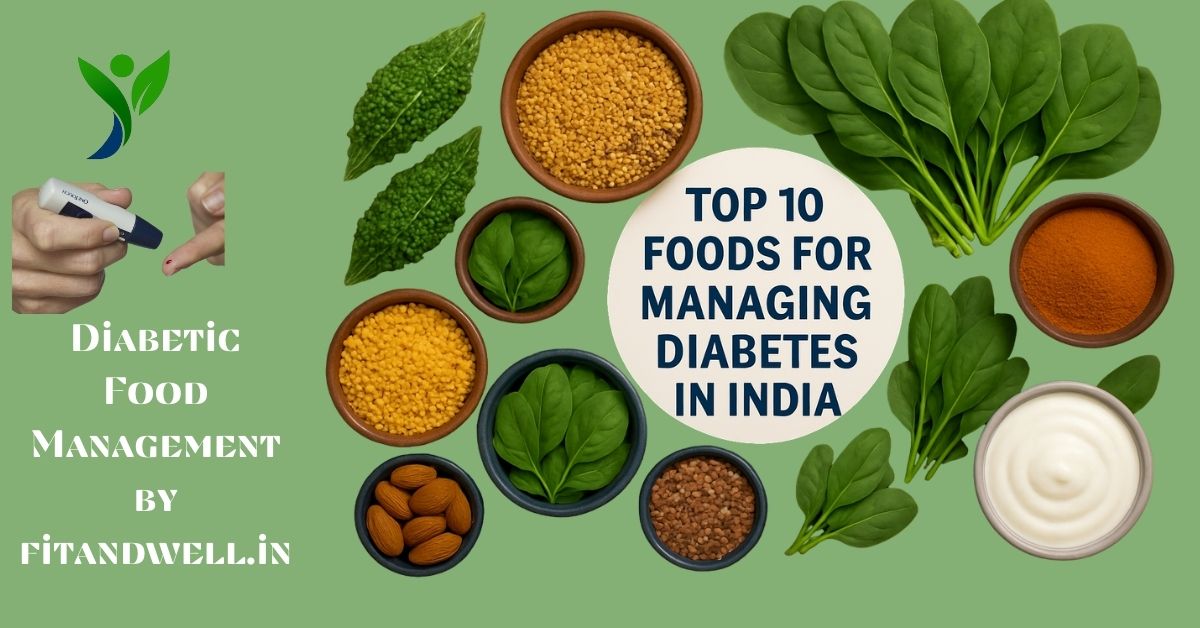
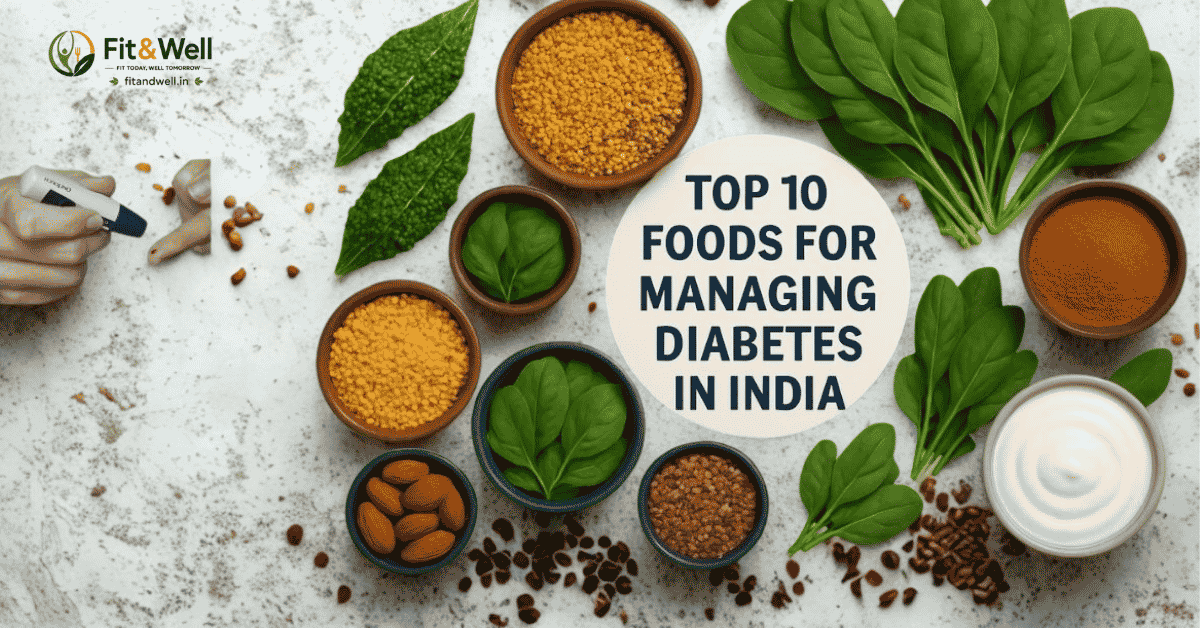
Top 10 Foods to Manage Diabetes in India
10. Bitter Gourd (Karela)
Bitter gourd stands out for its potent blood sugar-lowering properties, making it a staple in Indian households for diabetes management. It contains bioactive compounds like charantin and polypeptide-P, which mimic insulin and enhance glucose uptake in cells.
Research from the Madras Diabetes Research Foundation suggests that regular consumption can significantly reduce fasting blood glucose levels, with one study reporting a 20-30% decrease in participants over an eight-week period.
Dr. V. Mohan, a leading diabetes expert, states that bitter gourd can aid in managing insulin resistance, as demonstrated in both historical and recent studies.
Incorporate it into your diet by making a simple karela sabzi with onions and tomatoes, or juice it fresh—aim for 50-100g daily, but start with a small amount to adjust to the bitterness.
9. Fenugreek Seeds (Methi)
Fenugreek seeds are a fibre powerhouse that slows sugar absorption in the intestines, promoting better glycaemic control. Their soluble fibre, galactomannan, binds to carbs, preventing rapid spikes.
A study in the Journal of Medicinal Food reported that 10g of soaked fenugreek seeds daily lowered fasting blood sugar by 25% in type 2 diabetes patients after two months.
Nutritionist Rujuta Diwekar notes, “Methi” is a game-changer for Indians; its fibre not only aids digestion but also boosts insulin sensitivity, aligning perfectly with our spice-heavy meals.
Soak a teaspoon in water overnight and drink it in the morning, or grind it into powder for use in curries, parathas, or teas. This is ideal for everyday Indian cooking.
8. Whole Grains like Millets, Quinoa, and Brown Rice
Switching from refined grains to whole ones, such as jowar, bajra, ragi, quinoa, and brown rice, can transform diabetes management, thanks to their lower GI (around 50-55) compared to white rice’s 70+.
CMS Industries’ analysis highlights that millets reduce post-meal glucose spikes by up to 30%, outperforming brown rice in fibre content and mineral density. Endocrinologist Dr. Moxit Shah states, “Millets are ancient Indian superfoods; their high magnesium levels support insulin function, making them superior for long-term blood sugar stability.”
Use them in rotis, khichdi, or as rice substitutes. Try ragi porridge for breakfast to maintain steady energy levels without crashes.
7. Leafy Greens (Spinach, Methi Leaves)
Leafy greens are low-calorie heroes packed with fibre, vitamins, and antioxidants that regulate blood glucose and reduce inflammation.
According to NDTV Health, including greens like spinach can lower HbA1c levels by 0.5-1% over time, due to their magnesium and polyphenol content. A study in the Indian Express found that eating them at the start of meals slows glucose absorption, with participants showing 15% better control.
Dietitian Kavita Devgan advises, “In India, where greens are abundant, they’re essential for diabetes; they fill you up without adding carbs.”
Add to palak paneer, methi thepla, or smoothies. Aim for two servings daily for optimal benefits.
6. Lentils and Pulses (Moong Dal, Chana Dal)
These protein-rich staples have a GI of less than 40, providing sustained energy and helping to prevent hunger-driven overeating.
According to Fitterfly’s research, consuming pulses like moong dal can help your body utilise insulin more effectively. One study found that regular consumption lowered morning blood sugar levels by 10-15%.
The Indian Council of Medical Research suggests these because they contain fiber. This fiber helps digestion by creating substances that boost metabolism.
Prepare as simple dals, sprouts, or chillas. Pair with veggies for a balanced thali.
5. Chickpeas (Chana)
Chickpeas offer a winning combination of fibre and protein that delays glucose release, making them excellent for maintaining steady blood sugar levels.
Diabetes Telecare reports that consuming 100g of chickpeas daily can lower postprandial glucose by 20%, thanks to their resistant starch content. Luke Coutinho, a nutrition expert, believes that people with diabetes can incorporate chickpeas into their diet since they can be added to various Indian snacks, such as roasted or spiced chickpeas.
Enjoy as chana masala, hummus, or salads. Limit to 1/2 cup per serving.
4. Cinnamon (Dalchini)
This aromatic spice enhances insulin signalling and reduces fasting blood sugar through its active compound, cinnamaldehyde.
A proceeding from IOMC World found that 1-6g daily improved sensitivity by 18% in trials. NDTV Health notes that it also lowers cholesterol, with a meta-analysis confirming its benefits for individuals with type 2 diabetes.
Ayurvedic practitioner Dr. Partap Chauhan quotes, “Dalchini’s warming properties make it ideal for Indian teas and curries, supporting metabolic health naturally.”
Sprinkle into chai, yogurt, or dals. A half-teaspoon suffices.
3. Nuts and Seeds (Almonds, Flaxseeds)
Nuts are low in carbs but high in healthy fats; they curb cravings and stabilise glucose.
PubMed research shows nut consumption reduces HbA1c by 0.07% and fasting glucose by 0.15 mmol/L. Cleveland Clinic suggests almonds and flaxseeds because they have omega-3s, which help fight swelling.
Dietitian Ritika Samaddar states, “A handful daily fits Indian snacking habits, providing sustained energy without spikes.”
Mix into salads or yogurt. Stick to 20-30g to manage calories.
2. Okra (Bhindi)
Okra’s mucilage-like fibre forms a gel that slows sugar absorption, potentially aiding in blood sugar control. While direct Indian studies are limited, general evidence suggests that its antioxidants may help reduce oxidative stress in diabetes.
WebMD notes its vitamin C and fibre may help, with animal studies showing blood sugar drops. More human research is needed, but it’s a safe addition.
Stir-fry lightly with spices for a low-oil sabzi.
1. Yogurt (Dahi)
Probiotic yogurt supports gut health, which influences insulin sensitivity.
Studies link it to better glucose metabolism, with one review showing reduced diabetes risk. Opt for plain, low-fat versions to avoid added sugars.
Use in raitas or lassis. Consuming one cup daily can help enhance meal balance.
Incorporating these foods into your routine, combined with portion control and exercise, can make a tangible difference. As the World Health Organisation advises, dietary interventions are key in high-prevalence areas like India. For additional lifestyle guidance, check the American Diabetes Association’s healthy living resources
FAQs on Managing Diabetes in India with Food
1. What is the current state of diabetes in India?
India is facing a significant diabetes crisis, with over 101 million individuals currently living with diabetes and an additional 136 million people classified as pre-diabetic. The rise in diabetes rates is observed across both urban and rural areas, largely attributed to lifestyle changes and dietary habits.
2. What are the main causes of diabetes in India?
Key factors contributing to the rise of diabetes include lifestyle changes such as a shift towards sedentary jobs, an increase in the consumption of processed foods and sugary beverages, and genetic predisposition within the South Asian population.
3. What are the top 10 foods that can help manage diabetes?
Here’s a list of the top foods recommended for managing diabetes in India:
- Bitter Gourd (Karela): Lowers blood sugar levels significantly.
- Fenugreek Seeds (Methi): Rich in fibre, helps slow sugar absorption.
- Whole Grains (Millets, Quinoa, Brown Rice): Have a lower glycemic index, aiding in blood sugar control.
- Leafy Greens (Spinach, Methi Leaves): High in nutrients and help regulate blood glucose.
- Lentils and Pulses (Moong Dal, Chana Dal): Provide sustained energy and enhance insulin response.
- Chickpeas (Chana): High in fibre and protein, ideal for stable blood sugar.
- Cinnamon (Dalchini): Enhances insulin sensitivity and reduces fasting blood sugar.
- Nuts and Seeds (Almonds, Flaxseeds): Low in carbohydrates, high in healthy fats.
- Okra (Bhindi): Contains unique fibres that may aid blood sugar control.
- Yoghurt (Dahi): Supports gut health and improves glucose metabolism.
4. How can I incorporate these foods into my diet?
You can include these foods in your meals by:
- Adding bitter gourd to stir-fries or juices.
- Soaking fenugreek seeds overnight and consuming them in the morning.
- Using whole grains in place of refined grains in your dishes.
- Incorporating leafy greens into salads or cooked meals.
- Preparing lentils and pulses in soups or as side dishes.
- Enjoying chickpeas in salads or as snacks.
- Using cinnamon in teas or curries.
- Snacking on nuts and seeds.
- Including okra in stir-fries or curries.
- Adding plain yoghurt to meals or as a snack.
5. What role does lifestyle play in managing diabetes?
A well-balanced diet combined with regular physical activity is crucial in managing diabetes. Portion control, maintaining a healthy weight, and engaging in regular exercise can significantly improve blood sugar control and overall health.
6. How important is it to consult healthcare professionals?
Consulting healthcare professionals is essential for personalised guidance and effective management of diabetes. They can help monitor your progress, provide dietary recommendations, and adjust any necessary medications.
7. What should I avoid eating if I have diabetes?
Individuals managing diabetes should limit their intake of processed foods, sugary beverages, and high-glycemic index foods, as these can cause spikes in blood sugar levels. Additionally, it is advisable to avoid excessive consumption of refined carbohydrates and unhealthy fats.
8. Are there any specific recommendations for rural populations?
Yes, it is crucial to promote awareness and education about diabetes management in rural areas, where the prevalence is rising. Encouraging the incorporation of traditional foods and healthy lifestyle practices can help combat the rising trend of diabetes in these regions.
9. How can I monitor my blood sugar levels effectively?
Regular monitoring of blood sugar levels is vital. You can use a glucometer at home, and it is advisable to keep a record of your readings to discuss with your healthcare provider during check-ups.
10. What are some additional resources for diabetes management?
Consider visiting reputable health organisations and diabetes associations for more information, support groups, and educational materials. Engaging with community health initiatives can also provide valuable resources for managing diabetes effectively.