

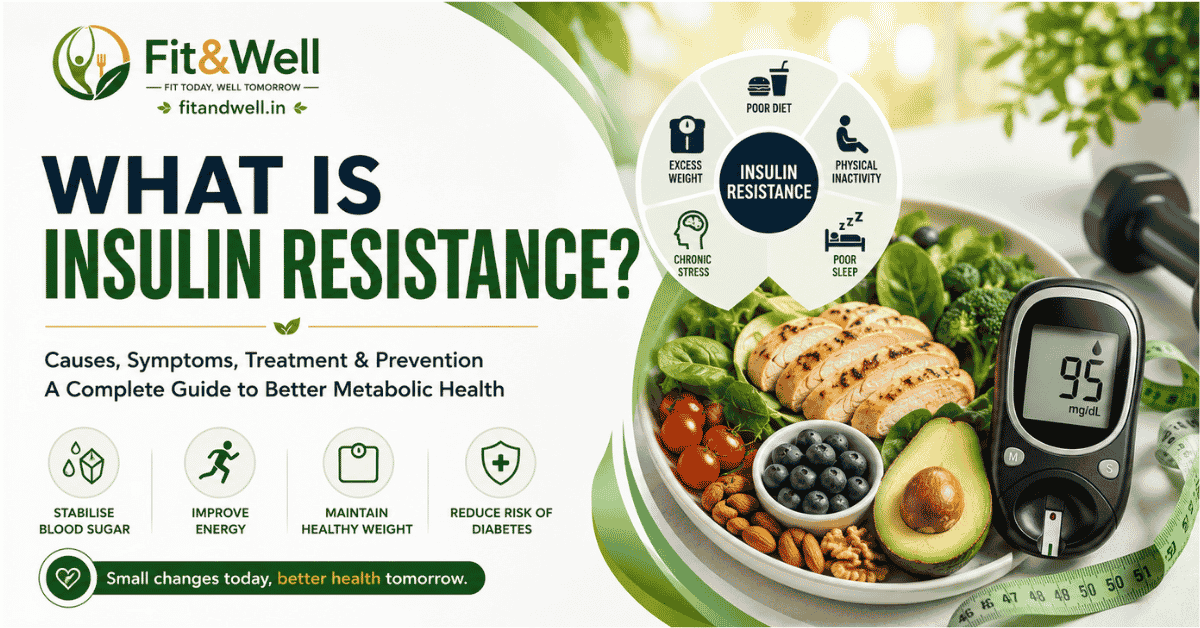
Insulin resistance is a metabolic condition in which the body’s cells become less responsive to insulin, a hormone that regulates blood sugar levels. As cells stop responding efficiently, the pancreas compensates by producing more insulin to keep blood glucose within a healthy range. Over time, this increased demand can overwhelm the pancreas, leading to elevated blood sugar levels, prediabetes, and eventually type 2 diabetes.
Although insulin resistance is closely linked to diabetes, it often develops years before blood sugar levels become abnormal. Many people have insulin resistance without realising it because symptoms may be subtle or absent during the early stages.
The encouraging news is that insulin resistance is often reversible. Early diagnosis and lifestyle changes, including healthy eating, regular physical activity, quality sleep, and maintaining a healthy weight, can significantly improve insulin sensitivity and reduce the risk of developing chronic disease.
Insulin resistance is a condition where the body’s cells do not respond properly to insulin, forcing the pancreas to produce more of the hormone to maintain normal blood sugar levels. If left untreated, insulin resistance can progress to prediabetes, type 2 diabetes, heart disease, and other metabolic disorders.
Table of Contents
-
- What Is Insulin Resistance?
- How Does Insulin Normally Work?
- What Happens During Insulin Resistance?
- Causes of Insulin Resistance
- Risk Factors
- Symptoms and Early Warning Signs
- Complications
- How Doctors Diagnose Insulin Resistance
- Treatment Options
- Can Insulin Resistance Be Reversed?
- Best Diet for Insulin Resistance
- Exercise and Lifestyle Changes
- Frequently Asked Questions
- Final Thoughts
Understanding Insulin Resistance
Insulin resistance is a metabolic condition in which the body’s muscle, fat, and liver cells become less responsive to insulin. As a result, the pancreas produces more insulin to keep blood sugar levels stable. If this continues over time, insulin resistance can progress to prediabetes, type 2 diabetes, and increase the risk of heart disease.
Before understanding insulin resistance, it helps to know how insulin normally works.
Insulin is a hormone produced by specialised beta cells in the pancreas. Its primary role is to move glucose from the bloodstream into the body’s cells, where it is used as fuel or stored for later use.
Whenever you eat carbohydrates, your digestive system breaks them down into glucose. As blood sugar rises, the pancreas releases insulin into the bloodstream.
Insulin acts like a key that unlocks the doors of muscle, liver, and fat cells, allowing glucose to enter. Once inside the cells, glucose is either:
- Converted into energy
- Stored as glycogen in the liver and muscles
- Stored as fat for future energy needs
This tightly regulated system helps keep blood sugar within a healthy range.
According to the National Institute of Diabetes and Digestive and Kidney Diseases, insulin also plays an essential role in regulating fat metabolism and protein synthesis, making it one of the body’s most important hormones. You can learn more from the National Institute of Diabetes and Digestive and Kidney Diseases’ overview of insulin resistance.
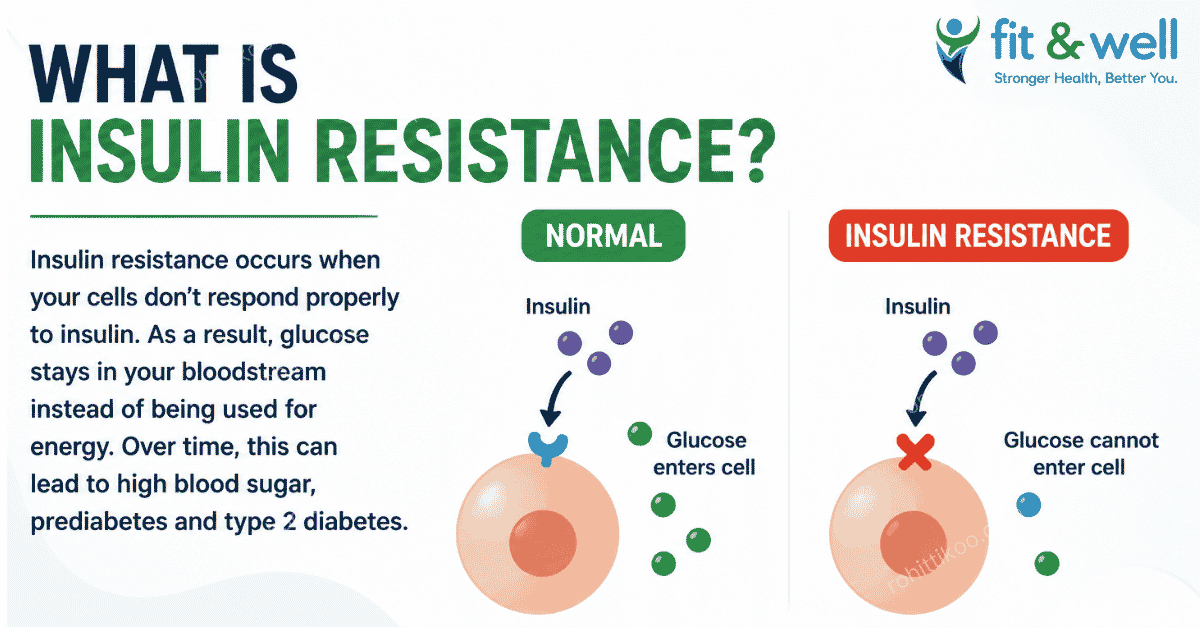
What Happens During Insulin Resistance?
During insulin resistance, the body’s muscle, fat, and liver cells become less responsive to insulin. To compensate, the pancreas produces more insulin to keep blood sugar levels normal. Over time, the pancreas may struggle to meet this demand, causing blood sugar levels to rise and increasing the risk of prediabetes and type 2 diabetes.
Imagine trying to unlock a door with a key that no longer fits perfectly. The key still works, but it requires more effort.
The pancreas responds by producing increasingly larger amounts of insulin.
Initially, this extra insulin successfully keeps blood sugar levels within the normal range.
This stage is known as compensated insulin resistance.
However, the increased insulin levels place considerable stress on the pancreas.
Over months or years, the pancreas may gradually lose its ability to produce enough insulin to meet the body’s demands.
At this point:
- Blood sugar begins rising
- Prediabetes develops
- Type 2 diabetes may eventually occur
This process usually develops gradually over many years rather than appearing suddenly.
The American Diabetes Association’s Standards of Care explains that insulin resistance is one of the central mechanisms behind type 2 diabetes and is closely associated with obesity, metabolic syndrome, and cardiovascular disease.
Why Insulin Resistance Matters
Insulin resistance matters because it increases the risk of prediabetes, type 2 diabetes, heart disease, fatty liver disease, and other metabolic disorders. Early detection and lifestyle changes can improve insulin sensitivity, helping to prevent serious long-term health complications.
Many people assume insulin resistance only affects blood sugar.
In reality, it influences nearly every major organ system.
Persistently high insulin levels can contribute to:
- Weight gain
- Increased abdominal fat
- High blood pressure
- Elevated triglycerides
- Low HDL (“good”) cholesterol
- Fatty liver disease
- Chronic inflammation
- Hormonal imbalances
- Cardiovascular disease
Research has also linked insulin resistance with conditions such as:
- Polycystic ovary syndrome (PCOS)
- Obstructive sleep apnoea
- Alzheimer’s disease (sometimes referred to in research as “type 3 diabetes”, although this is not an official diagnosis)
- Certain cancers
Because insulin affects numerous tissues throughout the body, reduced insulin sensitivity has widespread metabolic consequences beyond diabetes alone.
How Common Is Insulin Resistance?
Insulin resistance is a common metabolic condition and a major contributor to prediabetes and type 2 diabetes. Many people have insulin resistance for years without knowing it because it often develops without noticeable symptoms. Early screening in people with risk factors can help identify the condition before blood sugar levels become abnormal.
The Centers for Disease Control and Prevention’s guide to insulin resistance notes that insulin resistance is a key driver of prediabetes, a condition affecting tens of millions of adults in the United States. Similar trends are observed globally, fuelled by increasing rates of obesity, sedentary lifestyles, and ageing populations.
Importantly, insulin resistance is not limited to people living with obesity. People with a normal body weight can also develop insulin resistance due to genetics, excess visceral fat, hormonal disorders, poor sleep, or physical inactivity.
Causes of Insulin Resistance
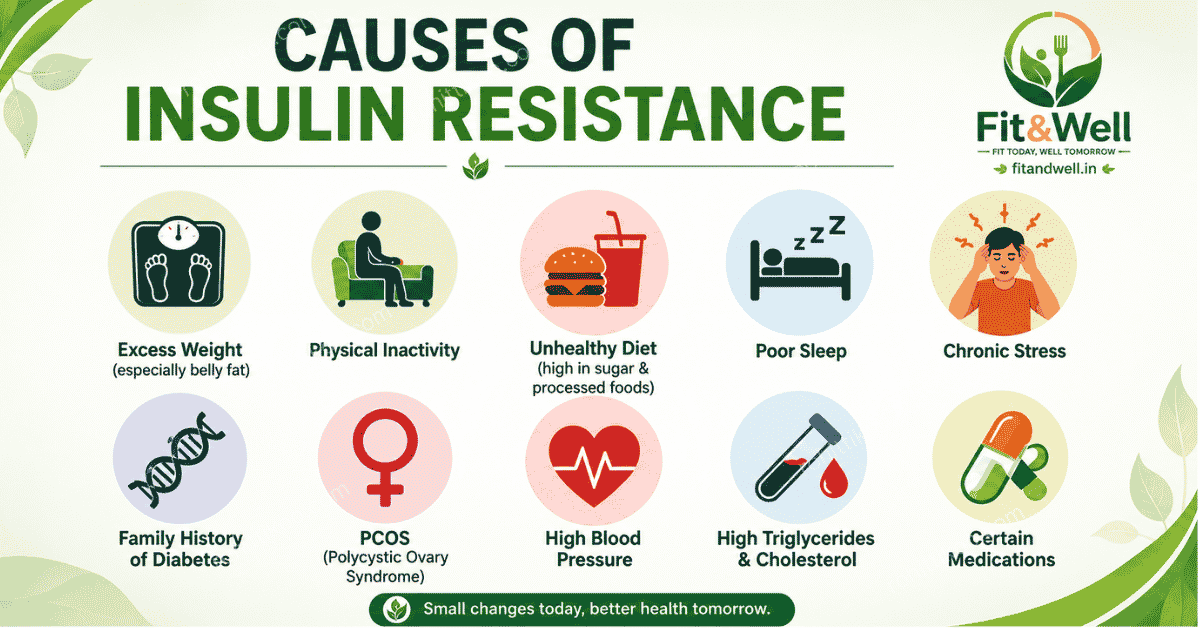
Insulin resistance rarely develops because of a single factor. Instead, it usually results from a combination of genetic predisposition, lifestyle habits, hormonal influences, and environmental factors.
1. Excess Body Fat
The strongest risk factor is carrying excess body fat, particularly around the abdomen.
Visceral fat, which surrounds internal organs, is metabolically active. It releases inflammatory chemicals and hormones that interfere with insulin signalling pathways.
Over time, these disruptions reduce the body’s ability to respond effectively to insulin.
2. Physical Inactivity
Skeletal muscle is responsible for using a large proportion of the glucose circulating in the bloodstream.
When physical activity declines, muscles become less efficient at taking up glucose, contributing to insulin resistance.
Even moderate exercise can substantially improve insulin sensitivity.
3. Genetics
Some individuals inherit genes that increase susceptibility to insulin resistance.
Having a parent or sibling with type 2 diabetes raises the likelihood of developing insulin resistance, although healthy lifestyle habits can significantly reduce this inherited risk.
4. Poor Dietary Patterns
A diet high in ultra-processed foods, refined carbohydrates, sugary beverages, and excessive calories can contribute to weight gain and insulin resistance over time.
However, it is excessive calorie intake and overall dietary quality, rather than sugar alone, that play the most important role.
The Cleveland Clinic’s overview of insulin resistance provides an accessible explanation of how diet, physical activity, and body weight interact to influence insulin sensitivity.
5. Chronic Sleep Deprivation
Poor sleep affects hormones that regulate hunger, stress, and glucose metabolism.
Research consistently shows that inadequate sleep reduces insulin sensitivity, even in otherwise healthy adults.
Sleep disorders such as obstructive sleep apnoea further increase the risk.
Symptoms of Insulin Resistance
One of the biggest challenges with insulin resistance is that it often develops silently. Many people have the condition for years before experiencing noticeable symptoms. During this time, the pancreas works harder to produce enough insulin to keep blood glucose levels within a normal range.
As insulin resistance progresses, subtle signs may begin to appear. These symptoms are often overlooked or attributed to stress, ageing, or lifestyle factors.
Common Symptoms of Insulin Resistance
Symptoms can vary from person to person, but commonly include:
- Persistent fatigue, especially after meals
- Increased hunger despite eating regularly
- Sugar and carbohydrate cravings
- Difficulty losing weight
- Weight gain around the abdomen
- Brain fog or difficulty concentrating
- Frequent urination
- Increased thirst
- Blurred vision
- Mood changes or irritability
- Low energy levels during the afternoon
These symptoms are not specific to insulin resistance alone, which is why proper medical evaluation is important.
Acanthosis Nigricans
One of the more distinctive physical signs of insulin resistance is acanthosis nigricans.
This condition causes patches of skin to become darker, thicker, and velvety. They most commonly appear on:
- The back of the neck
- Under the arms
- The groin
- Elbows
- Knees
- Knuckles
Although harmless in itself, acanthosis nigricans is often considered a marker of elevated insulin levels.
According to the National Institute of Diabetes and Digestive and Kidney Diseases, people with this skin condition should discuss diabetes screening with their healthcare provider, particularly if they have other risk factors.
Who Is at Risk of Developing Insulin Resistance?
Anyone can develop insulin resistance, but the risk is higher in people who are overweight or obese, physically inactive, have a family history of type 2 diabetes, or have conditions such as prediabetes or polycystic ovary syndrome (PCOS). Age, poor sleep, chronic stress, and certain medications may also increase the risk.
Excess Weight
Carrying excess body fat, particularly around the waist, remains one of the strongest risk factors.
Abdominal fat is metabolically active and releases inflammatory substances that interfere with insulin signalling.
Importantly, body weight alone does not tell the whole story. People with a normal body mass index (BMI) can still develop insulin resistance if they carry excess visceral fat around their internal organs.
Family History
Having a close relative with type 2 diabetes significantly increases the risk.
Genetics influence how efficiently the body responds to insulin and how effectively the pancreas can compensate over time.
However, genes do not determine destiny. Healthy lifestyle choices can substantially reduce the risk even in genetically susceptible individuals.
Age
Although insulin resistance can occur in children and young adults, the risk generally increases with age.
Ageing is associated with:
- Reduced muscle mass
- Increased body fat
- Lower physical activity
- Hormonal changes
Together, these factors reduce insulin sensitivity.
Physical Inactivity
Muscle tissue is one of the body’s largest users of glucose.
When people become sedentary, muscle cells remove less glucose from the bloodstream, forcing the pancreas to produce more insulin.
Even modest increases in daily movement can improve insulin sensitivity.
Certain Ethnic Groups
Research suggests that some populations have a higher prevalence of insulin resistance and type 2 diabetes, including people of:
- South Asian ancestry
- African ancestry
- Hispanic or Latino ancestry
- Native American ancestry
- Pacific Island ancestry
The reasons involve a combination of genetic, environmental, and lifestyle factors.
Medical Conditions Linked to Insulin Resistance
Insulin resistance rarely exists in isolation.
Instead, it frequently occurs alongside other metabolic and hormonal disorders.
Prediabetes
Prediabetes develops when blood sugar levels become higher than normal but not yet high enough to meet the criteria for type 2 diabetes.
Many people with prediabetes have significant insulin resistance.
The encouraging news is that prediabetes is often reversible through lifestyle modification.
The Centers for Disease Control and Prevention’s information on prediabetes and insulin resistance explains that early intervention can substantially reduce the risk of progressing to type 2 diabetes.
Type 2 Diabetes
Over time, the pancreas may no longer produce enough insulin to overcome insulin resistance.
When this happens, blood glucose rises persistently, leading to type 2 diabetes.
Contrary to popular belief, type 2 diabetes does not develop overnight.
For most people, insulin resistance exists for many years before diabetes is diagnosed.
Metabolic Syndrome
Metabolic syndrome is a cluster of conditions that substantially increase the risk of heart disease, stroke, and diabetes.
A diagnosis is typically made when several of the following occur together:
- Increased waist circumference
- High blood pressure
- Elevated fasting blood sugar
- High triglycerides
- Low HDL cholesterol
Insulin resistance is considered the underlying driver of metabolic syndrome.
Polycystic Ovary Syndrome (PCOS)
Insulin resistance plays a major role in polycystic ovary syndrome (PCOS), one of the most common hormonal disorders affecting women of reproductive age.
High insulin levels stimulate the ovaries to produce more androgens, which can contribute to:
- Irregular menstrual cycles
- Infertility
- Acne
- Excess facial or body hair
- Weight gain
Improving insulin sensitivity often helps improve many symptoms associated with PCOS.
Non-Alcoholic Fatty Liver Disease (NAFLD)
Excess insulin promotes fat storage within the liver.
Over time, this can lead to non-alcoholic fatty liver disease (NAFLD), now increasingly referred to as metabolic dysfunction-associated steatotic liver disease (MASLD).
Many individuals are unaware they have fatty liver because symptoms often remain absent until the disease becomes more advanced.
Cardiovascular Disease
Insulin resistance contributes to multiple processes involved in cardiovascular disease.
These include:
- High blood pressure
- Chronic inflammation
- Elevated triglycerides
- Reduced HDL cholesterol
- Damage to blood vessel walls
Together, these changes increase the risk of:
- Heart attack
- Stroke
- Peripheral artery disease
The American Diabetes Association’s Standards of Care highlights cardiovascular risk reduction as a central component of managing insulin resistance and type 2 diabetes.
Why High Insulin Levels Can Be Harmful
Chronically high insulin levels, known as hyperinsulinaemia, can increase the risk of weight gain, high blood pressure, abnormal cholesterol levels, fatty liver disease, and type 2 diabetes. Over time, excess insulin also contributes to chronic inflammation and cardiovascular disease, even before blood sugar levels become elevated.
Many people focus solely on blood sugar.
However, chronically elevated insulin, known as hyperinsulinaemia, may itself contribute to disease.
Persistently high insulin levels can:
- Promote fat storage
- Increase hunger
- Reduce fat burning
- Stimulate inflammation
- Raise blood pressure
- Increase uric acid levels
- Alter cholesterol metabolism
This explains why some people gain weight despite maintaining relatively normal blood glucose during the early stages of insulin resistance.
Complications of Untreated Insulin Resistance
Without intervention, insulin resistance can progressively damage multiple organs throughout the body.
Potential complications include:
- Prediabetes
- Type 2 diabetes
- Heart disease
- Stroke
- Chronic kidney disease
- Fatty liver disease
- Polycystic ovary syndrome
- Sleep apnoea
- Nerve damage
- Vision problems
Not everyone with insulin resistance develops these complications, but the risk increases substantially if blood sugar and other metabolic abnormalities remain uncontrolled.
Can Insulin Resistance Be Reversed?
Yes, insulin resistance can often be improved and, in many cases, reversed through healthy lifestyle changes. Regular exercise, a balanced diet, weight management, quality sleep, and stress reduction can restore insulin sensitivity and lower the risk of developing prediabetes and type 2 diabetes.
Research consistently shows that improvements in diet, regular exercise, healthy weight management, better sleep, and stress reduction can significantly improve insulin sensitivity.
For some individuals, these lifestyle changes may delay or even prevent the development of type 2 diabetes altogether.
How Is Insulin Resistance Diagnosed?
Unlike type 2 diabetes, insulin resistance cannot be diagnosed with a single definitive test. Instead, healthcare professionals assess a combination of your medical history, physical examination, risk factors, symptoms, and laboratory findings.
Because insulin resistance often develops years before blood glucose levels become abnormal, routine screening can help identify people at increased risk and allow earlier intervention.
Medical History and Physical Examination
Your healthcare provider may ask about:
- Family history of type 2 diabetes
- Recent weight gain
- Physical activity levels
- Dietary habits
- Sleep quality
- History of gestational diabetes
- Menstrual irregularities or PCOS
- Current medications
During the examination, they may also check for:
- Increased waist circumference
- Elevated blood pressure
- Acanthosis nigricans
- Signs of fatty liver disease
- Features of metabolic syndrome
These findings help build an overall picture of metabolic health.
Blood Tests Used to Assess Insulin Resistance
Although no single blood test confirms insulin resistance, several investigations provide valuable information.
Fasting Blood Glucose
A fasting blood glucose test measures blood sugar after at least eight hours without eating.
Typical reference ranges are:
| Result | Fasting Glucose |
|---|---|
| Normal | Less than 100 mg/dL (5.6 mmol/L) |
| Prediabetes | 100 to 125 mg/dL (5.6 to 6.9 mmol/L) |
| Diabetes | 126 mg/dL (7.0 mmol/L) or higher on repeat testing |
Normal fasting glucose does not rule out insulin resistance, especially in the early stages.
HbA1c
The HbA1c test reflects average blood glucose over approximately the previous three months.
Results are generally interpreted as:
| HbA1c | Interpretation |
|---|---|
| Below 5.7% | Normal |
| 5.7% to 6.4% | Prediabetes |
| 6.5% or above | Diabetes |
Because HbA1c reflects longer-term glucose control, it is widely used for diagnosing diabetes and monitoring treatment.
Oral Glucose Tolerance Test (OGTT)
The oral glucose tolerance test measures how efficiently the body processes glucose.
After fasting:
- A baseline blood sample is taken.
- You drink a glucose solution.
- Blood glucose is measured over the next two hours.
People with insulin resistance often show delayed glucose clearance, indicating reduced insulin effectiveness.
Fasting Insulin
Some clinicians also measure fasting insulin levels.
High fasting insulin may indicate that the pancreas is producing extra insulin to compensate for insulin resistance.
However, fasting insulin is not routinely recommended for diagnosing diabetes because testing methods and reference ranges vary.
HOMA-IR
Researchers often estimate insulin resistance using the Homeostatic Model Assessment of Insulin Resistance (HOMA-IR).
The calculation combines fasting glucose and fasting insulin measurements.
While HOMA-IR is widely used in research, it is less commonly used in everyday clinical practice.
Other Tests Your Doctor May Recommend
Because insulin resistance affects multiple organs, your healthcare provider may also request:
- Cholesterol profile
- Triglyceride levels
- Liver function tests
- Kidney function tests
- Blood pressure assessment
- Waist circumference measurement
These tests help identify associated conditions such as metabolic syndrome and fatty liver disease.
Treatment for Insulin Resistance
There is no single cure for insulin resistance.
Instead, treatment focuses on improving the body’s response to insulin while reducing the risk of long-term complications.
For most people, lifestyle changes form the cornerstone of treatment.
Medication may also be appropriate in selected cases.
Lifestyle Changes That Improve Insulin Sensitivity
Achieve a Healthy Weight
Even modest weight loss can significantly improve insulin sensitivity.
Research suggests that losing around 5% to 10% of body weight may reduce insulin resistance and lower the risk of developing type 2 diabetes in people who are overweight or obese.
Importantly, health improvements often begin before reaching an “ideal” weight.
Become More Physically Active
Exercise increases insulin sensitivity almost immediately.
Working muscles absorb glucose more effectively, even with lower insulin levels.
Experts generally recommend adults aim for:
- At least 150 minutes of moderate-intensity aerobic activity each week
- Strength training on two or more days weekly
- Breaking up long periods of sitting with regular movement
A combination of aerobic exercise and resistance training appears to provide the greatest benefits.
Improve Sleep
Sleep is frequently overlooked in metabolic health.
Adults should generally aim for 7 to 9 hours of good-quality sleep each night.
Poor sleep increases stress hormones, appetite, and insulin resistance.
Treating conditions such as obstructive sleep apnoea can also improve insulin sensitivity.
Manage Stress
Chronic stress increases cortisol, a hormone that raises blood glucose and can reduce insulin sensitivity over time.
Helpful stress-management strategies include:
- Mindfulness meditation
- Yoga
- Deep breathing exercises
- Regular physical activity
- Spending time outdoors
- Maintaining strong social connections
While stress reduction alone is unlikely to reverse insulin resistance, it supports overall metabolic health.
Best Diet for Insulin Resistance
No single eating pattern suits everyone.
The most effective dietary approach is one that is nutritious, sustainable, and supports healthy weight management where appropriate.
Current evidence consistently supports diets based on minimally processed whole foods.
Foods to Eat More Often
Focus on foods rich in fibre, healthy fats, lean protein, and complex carbohydrates.
Examples include:
Vegetables
- Spinach
- Broccoli
- Cauliflower
- Peppers
- Tomatoes
- Courgettes
- Leafy greens
Fruits
- Berries
- Apples
- Pears
- Oranges
- Kiwi
- Cherries
Whole fruit is generally preferable to fruit juice because it contains fibre and has a lower impact on blood glucose.
Lean Protein
- Fish
- Skinless poultry
- Eggs
- Tofu
- Tempeh
- Beans
- Lentils
Healthy Fats
- Olive oil
- Avocados
- Nuts
- Seeds
- Oily fish such as salmon and sardines
Whole Grains
- Oats
- Quinoa
- Brown rice
- Wholemeal bread
- Barley
High-Fibre Foods
Dietary fibre slows glucose absorption and promotes fullness.
Excellent choices include:
- Legumes
- Vegetables
- Whole grains
- Nuts
- Seeds
The American Diabetes Association’s nutrition guidance recommends dietary patterns rich in vegetables, whole grains, legumes, and unsaturated fats while limiting highly processed foods and added sugars.
Foods to Limit
Rather than eliminating foods completely, it is generally more helpful to reduce those associated with poorer metabolic health.
These include:
- Sugar-sweetened beverages
- Highly processed snacks
- Refined white bread
- Pastries
- Cakes
- Sweets
- Sugary breakfast cereals
- Processed meats
- Excessive alcohol
- Deep-fried foods
- Foods high in trans fats
An occasional treat is unlikely to cause harm, but overall dietary patterns matter far more than individual foods.
What About Low-Carbohydrate Diets?
Low-carbohydrate diets may improve blood glucose control and support weight loss for some people with insulin resistance.
However, they are not the only effective approach.
Mediterranean-style diets, DASH diets, and other balanced eating patterns also have strong evidence supporting improvements in insulin sensitivity.
The most effective diet is one that you can maintain over the long term while meeting your nutritional needs.
Can Medication Help?
Lifestyle changes remain the first-line treatment for most people.
However, medication may be appropriate if lifestyle measures alone are insufficient or if diabetes develops.
Common options include:
Metformin
Metformin improves insulin sensitivity, reduces glucose production by the liver, and is commonly prescribed for:
- Prediabetes in selected high-risk individuals
- Type 2 diabetes
- Some people with PCOS
GLP-1 Receptor Agonists
Medicines such as semaglutide and tirzepatide can support weight loss, improve blood glucose control, and reduce cardiovascular risk in appropriate patients.
These medicines should only be used under medical supervision and are not suitable for everyone.
Can Insulin Resistance Be Prevented?
Although insulin resistance cannot always be prevented, healthy lifestyle habits can significantly reduce the risk. Maintaining a healthy weight, exercising regularly, eating a balanced diet, getting enough sleep, and managing stress all help improve insulin sensitivity and lower the likelihood of developing prediabetes and type 2 diabetes.
Maintain a Healthy Weight
Excess body fat, especially around the abdomen, is one of the strongest contributors to insulin resistance. Maintaining a healthy weight through balanced nutrition and regular physical activity can reduce the burden on your body’s insulin-producing cells.
Stay Physically Active
Regular exercise remains one of the most effective ways to improve insulin sensitivity.
Aim for a combination of:
- Moderate aerobic exercise, such as brisk walking, cycling, or swimming
- Resistance training to build and maintain muscle mass
- Daily movement to reduce prolonged sitting
Muscle tissue uses glucose efficiently, making physical activity an important part of blood sugar regulation.
Eat a Balanced Diet
Focus on dietary patterns rather than restrictive diets.
A balanced eating plan should include:
- Plenty of vegetables
- Whole fruits
- Whole grains
- Legumes
- Lean protein
- Healthy fats
- High-fibre foods
Limiting ultra-processed foods and sugar-sweetened beverages can also support metabolic health.
Prioritise Sleep
Poor sleep is associated with reduced insulin sensitivity and increased appetite.
Most adults should aim for between seven and nine hours of quality sleep each night.
If you experience loud snoring, excessive daytime sleepiness, or pauses in breathing during sleep, discuss these symptoms with a healthcare professional, as sleep apnoea can worsen insulin resistance.
Manage Stress
Long-term psychological stress affects hormones that influence blood sugar regulation.
Helpful strategies include:
- Mindfulness
- Meditation
- Yoga
- Regular exercise
- Spending time outdoors
- Maintaining social connections
While stress management is not a standalone treatment, it contributes to better overall metabolic health.
Living With Insulin Resistance
Receiving a diagnosis of insulin resistance can feel overwhelming, but it is also an opportunity to make meaningful changes before more serious health problems develop.
Many people improve their insulin sensitivity through consistent lifestyle modifications. Small, sustainable changes often produce better long-term results than dramatic short-term diets or exercise programmes.
If you have insulin resistance, regular follow-up appointments with your healthcare provider are important to monitor:
- Blood glucose
- HbA1c
- Blood pressure
- Cholesterol levels
- Body weight
- Liver health
Your treatment plan may evolve over time depending on your health goals and any associated conditions.
Frequently Asked Questions
What is insulin resistance in simple terms?
Insulin resistance occurs when the body’s cells stop responding effectively to insulin. As a result, the pancreas produces more insulin to keep blood sugar levels under control. Over time, this can lead to prediabetes and type 2 diabetes if left untreated.
Is insulin resistance the same as diabetes?
No.
Insulin resistance is not diabetes.
It is a condition that increases the risk of developing prediabetes and type 2 diabetes. Many people have insulin resistance for years before blood glucose levels become high enough for a diabetes diagnosis.
Can insulin resistance be reversed?
In many cases, yes.
Weight loss where appropriate, regular physical activity, healthy eating, improved sleep, and stress management can significantly improve insulin sensitivity.
The earlier these changes are made, the greater the likelihood of preventing disease progression.
What foods should I avoid with insulin resistance?
There is no need to eliminate any single food completely.
However, it is advisable to limit:
- Sugar-sweetened drinks
- Refined carbohydrates
- Highly processed foods
- Excess sweets
- Deep-fried foods
- Foods high in trans fats
A balanced dietary pattern is generally more important than avoiding individual foods.
Does insulin resistance always lead to diabetes?
No.
Many people with insulin resistance never develop diabetes, especially if they make healthy lifestyle changes early.
Early diagnosis and intervention are key to reducing long-term risk.
Can thin people have insulin resistance?
Yes.
Although obesity increases the risk, people with a healthy body weight can also develop insulin resistance due to genetics, excess visceral fat, hormonal disorders, physical inactivity, or certain medical conditions.
How long does it take to improve insulin resistance?
The timeline varies depending on the individual.
Some improvements in insulin sensitivity occur within days of increasing physical activity, while more substantial changes from weight loss and dietary improvements may take several weeks or months.
Consistency is more important than rapid progress.
What is the best exercise for insulin resistance?
A combination of aerobic exercise and resistance training appears to provide the greatest benefits.
Examples include:
- Brisk walking
- Cycling
- Swimming
- Strength training
- Bodyweight exercises
The most effective exercise is one that you can perform consistently.
Does sugar cause insulin resistance?
Sugar alone does not directly cause insulin resistance.
Rather, insulin resistance develops through a complex interaction of genetics, excess calorie intake, weight gain, physical inactivity, poor sleep, and other lifestyle factors.
Reducing added sugars can support overall dietary quality, but focusing on healthy eating patterns is more effective than targeting a single nutrient.
Should everyone with insulin resistance take medication?
Not necessarily.
Many people improve significantly through lifestyle changes alone.
Medication may be recommended if blood sugar levels continue to rise, if prediabetes is progressing, or if type 2 diabetes develops. Treatment decisions should always be made in consultation with a qualified healthcare professional.
Key Takeaways
Insulin resistance is one of the earliest and most important warning signs of metabolic dysfunction. Although it often develops without obvious symptoms, it plays a central role in the progression to prediabetes, type 2 diabetes, cardiovascular disease, and several other chronic health conditions.
The good news is that insulin resistance is not inevitable, nor is it always permanent. Evidence consistently shows that healthy lifestyle changes, including regular exercise, a nutritious diet, adequate sleep, stress management, and maintaining a healthy weight, can significantly improve insulin sensitivity.
Early recognition is crucial. If you have risk factors such as obesity, a family history of diabetes, polycystic ovary syndrome, or elevated blood sugar, speak with your healthcare provider about appropriate screening. Taking action today may help prevent serious health complications in the future.
For more detailed guidance on diabetes prevention, the Centers for Disease Control and Prevention’s diabetes prevention resources offer practical advice, while the American Diabetes Association’s patient education resources provide evidence-based information on managing blood sugar and improving long-term health.
Explore more expert-backed health guides on fitandwell including practical advice on diabetes prevention, healthy eating, weight management, metabolic health, fitness, and overall wellbeing. Whether you’re looking to improve your insulin sensitivity or simply adopt healthier habits, our evidence-based resources are here to support your journey.