


Most people fail at getting healthy in 2025, not because they are lazy or lack discipline but because they make avoidable mistakes.
They start with unrealistic plans. They follow influencer fads and jump into routines they cannot maintain.
Within weeks, motivation fades. Energy drops. The cycle of quitting begins again.
The truth is that lasting health is not solely about willpower. It is about using proven, science-backed strategies that work for real people in real situations.
This guide explains the exact reasons most health journeys fail and how to avoid them.
You will learn practical, easy-to-follow steps to stay consistent, handle setbacks, and finally reach your health goals in 2025 without feeling burnt out or overwhelmed.
Why 95% of People Quit Their Health Goals in 30 Days
Why 95% of People Quit Their Health Goals in 30 Days
You can find plenty of health details online. Still, much of it is too intense, inconsistent, or unworkable for daily living.
Scroll through social media for five minutes and you will see:
- Do keto, or you are wasting your time.
- Go completely vegan, or do not bother
- Fast for 16 hours, or nothing counts.
- No pain, no gain.
- This one weird trick will change your life.
Most of this advice is incomplete or designed to sell you a product. The result? You start with excitement but quickly lose momentum.
The Common Cycle of Why Most People Fail at Getting Healthy
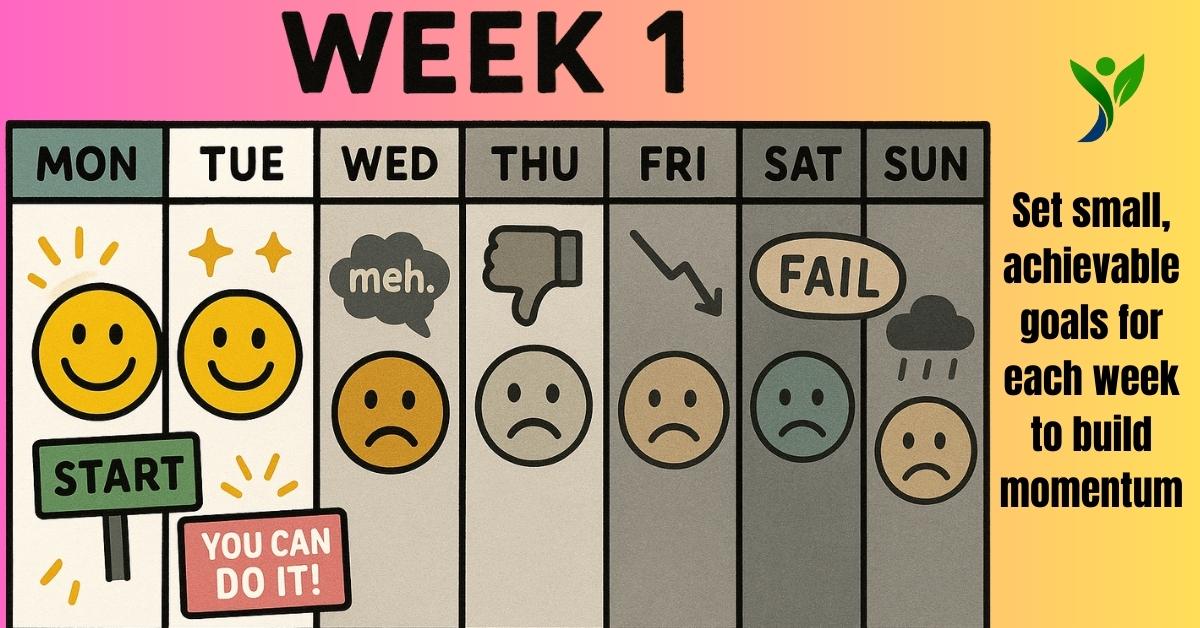
Week 1: You’re pumped. You buy new workout clothes, meal prep containers, and maybe even a gym membership. You’re going to transform your entire life starting Monday.
Week 2: Reality sets in. The workouts are harder than expected. Meal prep takes forever. Your schedule doesn’t magically have extra hours. But you push through because you’re determined.
Week 3: You miss a day. Then two days. Work gets crazy, or the kids get sick, or life just happens. You tell yourself you’ll get back on track tomorrow.
Week 4: You’ve officially given up. You feel guilty, maybe even ashamed. You tell yourself you’ll try again next month, or after the holidays, or when things calm down.
This cycle repeats itself millions of times every year, and it’s not because people are weak or lazy. It’s because the entire approach is flawed from the beginning.
The Root Causes of Fitness Failure
After analysing hundreds of health journeys, experts agree there are five main reasons why most people fail at getting healthy:
- Starting too big, too fast: Trying to change everything at once overwhelms your brain.
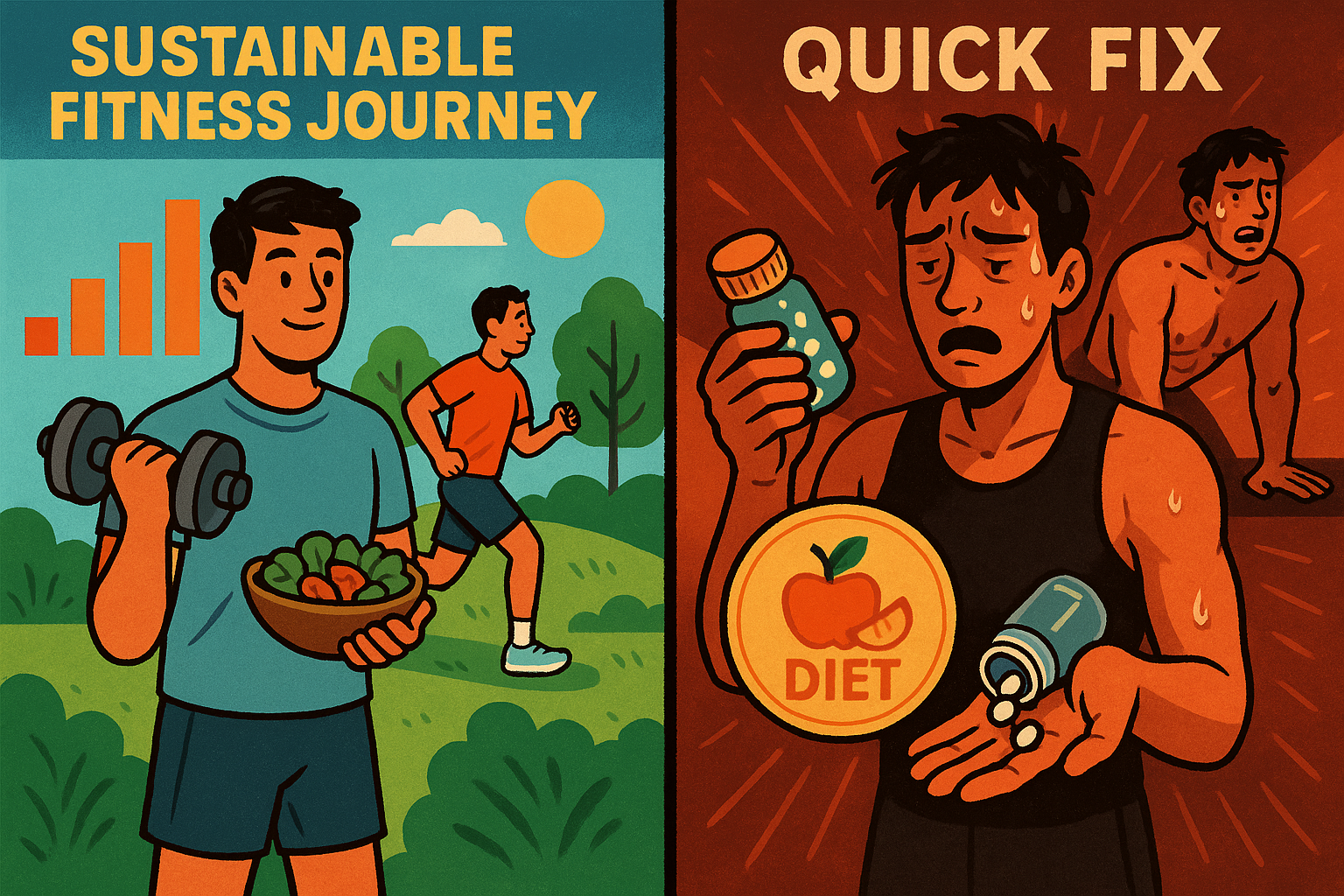
- Following unsustainable trends: Quick fixes rarely work long-term.
- Focusing only on appearance: The number on the scale becomes your only measure of success.
- Neglecting mindset: You rely on motivation instead of building discipline.
- Lack of support: You do it all alone.
Each of these factors can be reversed if you take the right approach.
“Research shows that prolonged sitting significantly increases the risk of chronic diseases and premature mortality, Building regular movement breaks into your day is essential for long-term health.”
5 Proven Strategies to Finally Build a Healthy Life in 2025
If you want to break free from the cycle of starting strong and quitting early, you need strategies that actually work in the real world. These five proven approaches are built on science, backed by expert recommendations, and designed to fit into a busy lifestyle.
They do not require extreme diets, punishing workouts, or expensive equipment. Instead, they focus on making healthy living sustainable, enjoyable, and adaptable to your unique circumstances.
1. Start Small and Start Smart
One of the biggest reasons people fail at getting healthy in 2025 is trying to change everything at once. Overhauling your diet, exercise, and sleep habits in a single week is overwhelming.
Instead, commit to simple, realistic actions you can maintain:
- Take three short walks per week
- Add a serving of vegetables to lunch and dinner
- Drink one extra glass of water daily
- Stretch for five minutes in the morning
These small wins build momentum and help you develop self-trust. Once a habit feels natural, you can add more without feeling overwhelmed.
2. Follow Science, Not Social Media Trends
Trendy diets and influencer workouts often promise quick results but rarely deliver long-term health.
What works is consistency with proven health principles:
- Eat whole, minimally processed foods 80% of the time
- Include protein in every meal to stay satisfied
- Prioritise hydration throughout the day
- Allow guilt-free indulgences in moderation
Research indicates that a balanced diet, regular physical activity, and gradual habit formation lead to more effective results.
3. Focus on How You Feel, Not Just How You Look
Many people quit when the scale doesn’t move fast enough. That’s because they overlook the non-scale victories that show real progress.
Pay attention to:
- Higher energy levels throughout the day
- Better quality of sleep
- Increased stamina in workouts
- Reduced cravings and better mood
Tracking these signs can keep you motivated when visual changes are slow.

4. Build a Resilient Mindset
Motivation comes and goes. What keeps you on track is discipline and purpose.
Ask yourself:
-
Why do I want to be healthier?
-
What’s at stake if I give up?
-
Who benefits when I take care of myself?
Writing down your answers and revisiting them regularly will strengthen your commitment. Learn to view setbacks as part of the journey, not a reason to quit.
Managing stress will be as important as maintaining a healthy diet and regular exercise. Practices like meditation can significantly ease anxiety
5. Create a Support System
Going it alone makes healthy living harder. Surround yourself with people who encourage your progress.
Ways to build support:
- Join an online fitness group or community
- Find a workout buddy who shares your goals
- Cook and share healthy meals with family
- Share your progress publicly for accountability
Having a support network increases your chances of staying consistent and makes the process more enjoyable.
Pro Tip: You don’t need to implement all five strategies at once. Start with one or two, make them part of your routine, and then layer in the others. Over time, you’ll have a complete, sustainable, healthy lifestyle that can last for years, not just weeks.
Nutrition Guidelines That Work Long Term
Eat for sustainability:
- Balance carbs, protein, and healthy fats
- Include foods you enjoy
- Avoid extreme restrictions
Sample day:
- Breakfast: Oats with fruit and nuts
- Lunch: Brown rice, lentils, and vegetables
- Snack: Greek yoghurt with berries
- Dinner: Grilled chicken, sweet potato, and salad
Exercise Guidelines for All Levels
Beginners:
-
15–20 minutes of walking daily
-
2 days of light strength training
Intermediate:
-
30 minutes of brisk walking or jogging
-
3 days of strength training
Advanced:
-
Interval training twice a week
-
4 days of strength training
Important points to consider
-
Start small for lasting success
-
Follow the science, not short-lived fads
-
Focus on how you feel, not just how you look
-
Build a mindset that supports your journey
-
Create a network of support to stay motivated



Pingback: Health Hazards of Prolonged Sitting: How to Avoid It - Fitandwell – Fitness, Nutrition & Wellness Made Simple
Pingback: How Meditation Helps Anxiety: Indian Wisdom and Science - FitandWell.in – Wellness for Everyday India
Pingback: Personalised Fitness India 2025: How AI & Wearables Are Transforming Health