

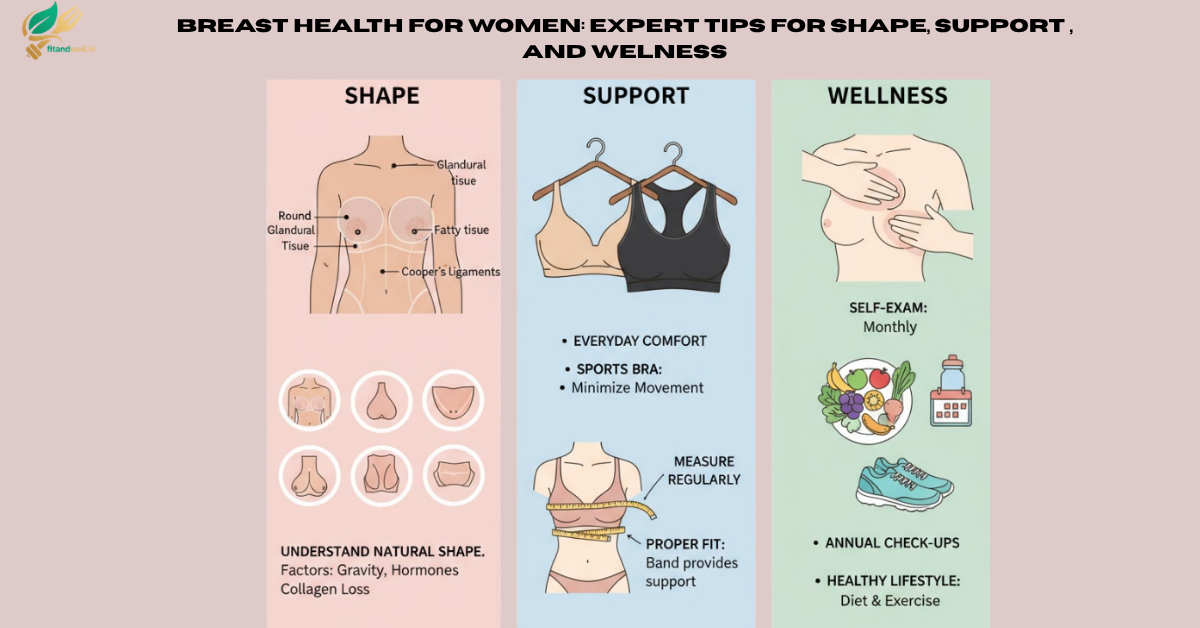
Breast Health for Women
Taking charge of your breast health is one of the most important steps you can take for your overall well-being. This comprehensive guide provides evidence-based information about breast health for women, helping you make informed decisions about proper support, health awareness, and preventive practices.
Understanding Breast Health Basics
Breast health encompasses far more than screening appointments. In England, approximately 1 in 7 women are diagnosed with breast cancer during their lifetime, making awareness and proactive care essential at every age. Regular self-monitoring, proper support, healthy lifestyle choices, and appropriate screening all play vital roles in maintaining breast wellness.
Finding the Perfect Bra Fit
Why Proper Support Matters
Research shows that ill-fitting bras and insufficient breast support can lead to musculoskeletal pain and may inhibit women from participating in physical activity. A well-fitted bra enhances comfort, improves posture, and provides the support your body needs throughout the day.
For guidance on maintaining an active lifestyle, explore our women’s fitness programmes designed to support overall health.
The Essential Fitting Guide
To measure your band size, loosely wrap a tape measure around your body just below your bust, then measure across the fullest part of your breasts. The difference between these measurements determines your cup size. However, sizing varies significantly between brands, so it’s always best to try before you buy.
Key fitting checkpoints:
The band should be level all the way around your body without riding up. The underwires should lie flat without digging into any breast tissue, particularly under your arm. Your breasts should fill the cups completely without spillage or gaping, and straps should stay in place without digging into your shoulders or slipping off.
If you’re interested in learning more about body confidence and wellness, visit our body positivity and self-care section.
When to Replace Your Bra
Bras lose their elasticity and support over time, particularly with regular wear and washing. If your bra no longer fits well, the band has stretched, or the underwires have shifted, it’s time for a replacement. Your breasts also change size and shape many times during your life due to weight fluctuations, pregnancy, or hormonal changes, making regular refitting essential.
Breast Self-Awareness: Knowing What’s Normal
The Modern Approach to Self-Checking
The NHS recommends checking your breasts or chest regularly, around once a month, to help you learn what looks and feels normal for you. This makes it easier to notice any changes that could indicate a health concern.
Unlike formal breast self-examination techniques from decades past, current guidance emphasises breast awareness rather than rigid examination schedules. Understanding what’s typical for your body allows you to identify changes promptly.
How to Check Your Breasts
Look at your breasts or chest in a mirror to look for any changes, starting with your arms by your sides and then raising them. Feel around each breast or side of your chest in a circular motion all the way up to your collarbone and under each armpit, using a mix of light and firmer pressure. Many women find it easiest to do this in the shower or while lying down.
Warning Signs to Watch For
Symptoms to look for include a lump or swelling in your breast, chest or armpit; a change in the skin of your breast, such as dimpling or redness; a change in size or shape of one or both breasts; nipple discharge (if you’re not pregnant or breastfeeding); or a change in the shape or look of your nipple, such as it turning inwards or developing a rash.
When to See Your GP
Contact your GP if you have a lump or swelling in your breast, chest or armpit, any changes in your breasts or nipples that aren’t normal for you, or pain in your breast or armpit that doesn’t go away. These symptoms are very common and are often caused by benign conditions, but it’s essential to have them checked promptly.
For more information on preventive health measures, read our women’s health screening guide.
NHS Breast Screening Programme
In England, breast screening is currently offered to women aged 50 up to their 71st birthday, with women invited for breast screening every three years. The screening involves X-rays (mammograms) carried out by a female mammographer at a clinic or mobile unit.
For comprehensive information about what to expect at your screening appointment, visit the NHS breast screening guidance.
Nutrition for Breast Health
The Mediterranean Diet Advantage
Studies show that following a mostly plant-based diet may have a protective effect against breast cancer, especially among postmenopausal women, with many studies focusing on the Mediterranean diet, which emphasises whole, minimally processed foods.
Foods That Support Breast Health
Diets that focus on a variety of fruits and vegetables, whole grains, legumes, fish or poultry, and fewer red and processed meats are associated with lower breast cancer risk. Research has found that women who ate more than 5½ servings of fruits and vegetables per day had a lower risk of breast cancer than women who ate 2½ servings or fewer each day.
Breast-healthy food choices include:
Leafy greens, such as spinach, kale, and rocket, contain carotenoid antioxidants that research associates with a reduced breast cancer risk. Cruciferous vegetables, such as broccoli, cauliflower, and Brussels sprouts, contain compounds that may help block tumour growth. Whole grains provide fibre that helps maintain healthy hormone levels, whilst fatty fish rich in omega-3s, including salmon and mackerel, offer anti-inflammatory benefits.
For delicious, nutritious recipes that support your health goals, explore our healthy eating recipe collection.
What to Limit or Avoid
Alcohol increases the risk of breast cancer, with even drinking small amounts of alcohol linked with an increased risk. For women who do drink, limiting intake to no more than one alcoholic drink per day is recommended. Additionally, highly processed foods, excessive red meat consumption, and foods high in added sugars may increase cancer risk.
Weight Management and Breast Health
Being overweight or obese is a well-established risk factor for breast cancer in postmenopausal women. Research shows that women over 50 who lost 10 or more pounds and sustained the loss could reduce their future breast cancer risk by 32%. Maintaining a healthy weight through balanced nutrition and regular activity is one of the most effective modifiable risk factors.
Exercise and Physical Activity
The Protective Power of Movement
Women who get regular exercise have a 10-20% lower risk of breast cancer than women who don’t exercise, with this benefit seen most clearly in postmenopausal women. Recent large-scale research has also confirmed benefits for premenopausal women.
Analysis of data from 19 studies, including over 547,000 women, found that the most physically active women, those in the top 10% of physical activity levels, were 10% less likely to develop breast cancer before menopause.
How Much Exercise Do You Need?
The American Cancer Society recommends getting 150-300 minutes (2½-5 hours) of moderate physical activity per week, or 75-100 minutes of vigorous activity. You don’t need to complete all activities at once—spreading them throughout the week is perfectly effective.
Moderate activities include brisk walking, cycling, swimming, and yoga. Vigorous activities include jogging, playing tennis, and aerobic classes. The key is finding activities you enjoy and can maintain consistently.
Exercise During and After Treatment
Research shows that women with breast cancer who engaged in regular physical activity before diagnosis and after treatment were less likely to have their cancer recur or to die compared with inactive women. Even low levels of physical activity can provide substantial survival benefits, making movement valuable at any intensity you can manage.
Lifestyle Factors That Matter
Maintaining Hormonal Balance
Physical activity and healthy weight management help regulate hormones like oestrogen and insulin, which can influence breast cancer development. Exercise decreases inflammation linked to cancer growing and spreading, and can lower insulin and growth hormone levels that may help breast cancer to grow.
Stress Management and Sleep
Chronic stress and inadequate sleep can affect immune function and hormone regulation. Incorporating stress-reduction techniques such as meditation, yoga, or mindfulness practices, alongside maintaining consistent sleep patterns, supports overall breast health and wellbeing.
Environmental Considerations
Whilst many risk factors remain outside our control, making informed choices about lifestyle factors you can influence—including diet, exercise, alcohol consumption, and maintaining a healthy weight—provides meaningful opportunities to reduce risk.
Frequently Asked Questions About Breast Health
How often should I check my breasts?
Check your breasts once a month to become familiar with what’s normal for you. This helps you notice changes quickly.
What does a properly fitted bra feel like?
The band should sit level without riding up, cups should contain all breast tissue without spillage or gaping, and straps should stay in place comfortably. You shouldn’t experience any pain or digging.
Are all breast lumps cancerous?
No. Most breast lumps are benign (non-cancerous), but your GP should check any new lump promptly to determine the cause.
At what age does NHS breast screening start?
NHS breast screening is offered to women aged 50 to 70, with invitations sent every three years. Women over 71 can request screening by contacting their local unit.
Can diet really reduce breast cancer risk?
Yes. Research shows that diets rich in fruits, vegetables, whole grains, and healthy fats, while limiting alcohol and processed foods, may lower the risk of breast cancer.
How much exercise do I need for breast health?
Aim for 150-300 minutes of moderate activity weekly, or 75-100 minutes of vigorous activity. Even small amounts of regular movement provide benefits.
Do underwired bras cause breast cancer?
No. This is a myth with no scientific evidence. Wearing underwired bras does not increase breast cancer risk.
When should I see my GP about breast changes?
Contact your GP immediately if you notice any lumps, skin changes, nipple discharge, changes in breast shape, or persistent pain. Early assessment is always best.
How does weight affect breast cancer risk?
Being overweight or obese after menopause increases breast cancer risk. Maintaining a healthy weight through a balanced diet and regular exercise is one of the most effective modifiable risk factors.
Can I prevent breast cancer completely?
While you cannot eliminate all risk, you can significantly reduce it through healthy lifestyle choices, maintaining a healthy weight, limiting alcohol consumption, staying physically active, and attending regular screening appointments.
Taking Action: Your Breast Health Checklist
Monthly: Check your breasts for any changes and become familiar with what’s normal for you.
Annually: Consider having a professional fitting for new bras, as your body changes over time. Attend your GP for any concerns or unusual changes you’ve noticed.
Every 3 years (from age 50-70): Attend your NHS breast screening appointment when invited.
Daily: Make healthy lifestyle choices, including eating nutritious foods, engaging in regular physical activity, limiting alcohol consumption, and maintaining a healthy weight.
When to Seek Medical Advice
Never hesitate to contact your GP if you notice any changes in your breasts, even if you’ve recently had a normal mammogram or if you feel well otherwise. Most breast changes aren’t cancer, but it’s always best to get checked as soon as possible. Early detection significantly improves treatment outcomes.
For additional support and guidance on breast cancer screening and awareness, consult Breast Cancer Now, a leading UK charity providing expert information and support services.
The Bottom Line
Your breast health journey is personal and multifaceted. By combining proper support through well-fitted bras, regular self-awareness checks, a nutritious diet, consistent physical activity, and appropriate screening, you’re taking powerful steps to protect your health. These evidence-based practices, supported by extensive research, provide you with the tools to make informed decisions and maintain optimal breast health throughout your life.
Remember that whilst genetics and some risk factors remain beyond your control, the lifestyle choices you make each day can significantly influence your breast health outcomes. Stay informed, stay active, and stay connected with healthcare professionals who can provide personalised guidance for your unique situation.
For other health-related articles, refer to our other blogs at https://fitandwell.in
Disclaimer: This article provides evidence-based health information and should not be used as a substitute for professional medical advice. Always consult your GP or healthcare provider for personalised guidance about your breast health.