

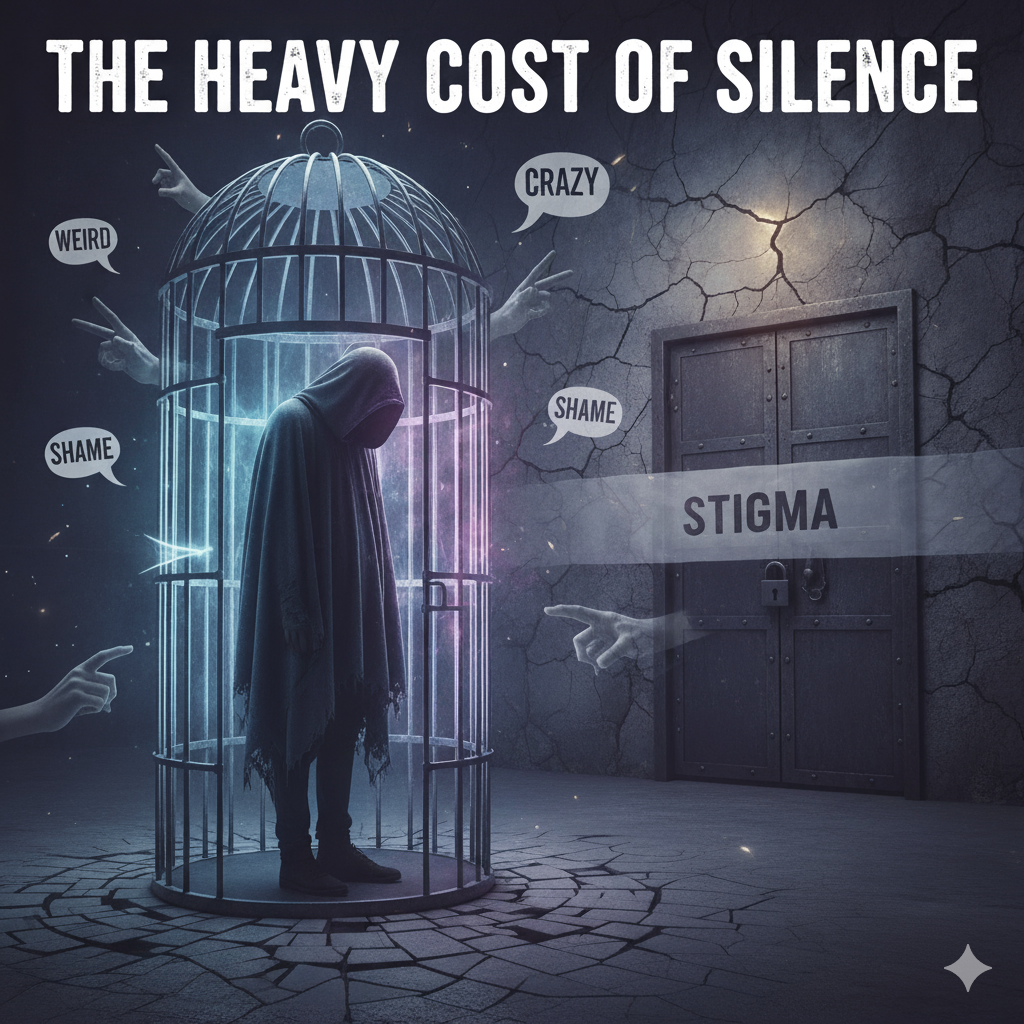
Mental health disorders affect millions of Indians every single day. Yet, countless individuals suffer in silence, trapped by societal shame and misunderstanding. The mental health stigma surrounding mental health creates invisible barriers that prevent people from seeking help.
Because of the importance of family honour and social reputation in India, mental health struggles are often kept secret. This silence costs lives, destroys relationships, and perpetuates unnecessary suffering.
We will now dispel these misconceptions and build a more compassionate society together.
What is Mental Health Stigma?
Mental health stigma refers to negative attitudes and beliefs about mental illness. It manifests as discrimination, prejudice, and social rejection of affected individuals. Stigma creates barriers that prevent people from seeking necessary help.
Stigma operates at three distinct levels within society and communities. Public stigma involves widespread negative stereotypes and discriminatory behaviour. Self-stigma occurs when individuals internalise these harmful beliefs about themselves.
Structural stigma exists within institutions, policies, and healthcare systems nationwide. This form creates systemic barriers to treatment and support. All three types work together to perpetuate mental health discrimination.
The consequences extend far beyond individual suffering and personal pain. Families hide struggles, communities remain uninformed, and society loses valuable contributions. Understanding stigma is the first step toward eliminating it.
Mental health Stigma is not simply a misunderstanding. It is a form of discrimination. It shows up in dismissive language, exclusion from opportunities, or the belief that people with mental health disorders are weak or dangerous. These stereotypes hurt. They discourage individuals from speaking openly, delay treatment, and create a cycle of silence that makes recovery more complicated.
At its core, stigma creates distance between “us” and “them.” It suggests that someone with depression, anxiety, or bipolar disorder is different or less capable. But this idea could not be further from the truth. Mental health disorders are treatable, and recovery is possible. Millions of people live whole, successful lives while managing their conditions. What often holds them back is not the illness itself, but the way society responds to it.
Historical Context: From Superstition to Science
Ancient Beliefs and Modern Misconceptions
For centuries, mental health disorders were misunderstood across cultures worldwide. In ancient India, mental illness was often attributed to supernatural causes. People believed evil spirits, curses, or past-life karma caused psychological distress.
These beliefs created a deep-rooted stigma that persists even today. Many families still view mental health issues as sources of shame. Traditional healers and religious ceremonies were often the only available treatments.
The colonial period introduced Western psychiatric practices to India. However, mental health services remained limited and poorly understood. Independence brought new opportunities for mental health awareness and treatment.
The Scientific Revolution
The 20th century saw the emergence of modern psychiatry, which brought about groundbreaking discoveries. Brain chemistry imbalances were found to cause mental disorders. Research in medicine showed that mental health issues are real.
Despite scientific advances, stigma continues to plague Indian society. Cultural beliefs and social pressures create barriers to treatment. Many people still view therapy and medication with suspicion.

The Devastating Impact of Mental Health Stigma
Personal Consequences
Mental health stigma destroys lives in countless devastating ways daily. Individuals hide their struggles, fearing judgment from family and friends. This isolation worsens symptoms and delays necessary professional treatment.
Career prospects suffer when mental health issues become public knowledge. Educational opportunities may be lost due to discrimination and misunderstanding. Romantic relationships often end when partners discover psychological challenges.
Self-stigma proves equally damaging as external social judgment and discrimination. People internalise negative beliefs about their own mental health conditions. This self-blame creates additional shame and prevents healing.
Family and Social Impact on Mental Health Stigma
Families often feel embarrassed about a member’s mental health struggles. Parents worry about their other children’s marriage prospects. Extended families may distance themselves to avoid social contamination.
In Indian society, where collective identity matters greatly, one person’s mental health issues can affect entire families. Wedding proposals may be withdrawn when a mental illness is discovered. Social invitations decrease, creating further isolation.
Communities sometimes ostracise families dealing with mental health challenges. Religious leaders may incorrectly attribute moral failures or spiritual weakness to others. These reactions create cycles of shame and secrecy.
Economic Consequences
Untreated mental health conditions cost India billions annually in healthcare expenses. Lost productivity affects economic growth and individual financial stability. Families spend enormous amounts on ineffective traditional treatments.
Employment discrimination prevents qualified individuals from contributing to society. Reduced earning capacity increases poverty among affected families. Healthcare costs rise when conditions remain untreated and worsen.
Inspiring Stories of Triumph over Mental Health Stigma
Deepika Padukone: Breaking Bollywood’s Silence
Deepika Padukone courageously shared her struggle with depression in 2015. The renowned actress described feeling empty despite professional success. Her openness shocked the entertainment industry and Indian society.
Padukone sought professional help and underwent therapy and medication treatment. She founded the Live Love Laugh Foundation to promote mental health awareness. Her advocacy work has reached millions of Indians nationwide.
Today, Padukone continues acting while supporting mental health causes. She proves that seeking help shows strength, not weakness. Her journey inspires countless individuals to seek professional treatment.
Anupam Kher: Overcoming Anxiety and Depression
Veteran actor Anupam Kher battled severe depression and anxiety disorders. He faced panic attacks and deep sadness at work. Initially, he suffered silently, fearing professional and social consequences.
Kher eventually sought psychiatric help and learned coping strategies. He practised meditation, therapy, and lifestyle changes for recovery. The acclaimed actor now speaks openly about his experiences.
His honesty helps normalise mental health discussions in Bollywood. Kher shows that age doesn’t prevent mental health recovery. He continues working successfully while managing his psychological well-being.
Honey Singh: Addiction and Bipolar Recovery
Popular rapper Yo Yo Honey Singh vanished from public life. He later revealed his struggle with bipolar disorder and addiction. The music industry was shocked by his candid admission.
Singh spent many years recovering after extensive treatment. During his most challenging times, his family’s support was key.
His musical return was marked by fresh purpose and mental clarity. Singh is now a proponent of mental health awareness for young people. His comeback story demonstrates the possibility of full recovery.
Shahrukh Khan: Anxiety and Depression Journey
Bollywood’s “King Khan” experienced severe depression following a shoulder injury. The superstar felt hopeless and struggled with persistent negative thoughts. He initially tried to handle the situation privately.
Khan eventually sought professional psychological help and received appropriate treatment. Therapy and medication helped him regain his mental equilibrium. He learned healthy coping mechanisms for managing stress.
The actor now speaks candidly about mental health, and his openness helps his large fanbase be more accepting of others. His story demonstrates that seeking help can actually enhance success, not detract from it.
Manisha Koirala: Cancer, Depression, and Resilience
Actress Manisha Koirala faced ovarian cancer alongside severe clinical depression. The dual diagnosis presented enormous physical and emotional difficulties. She struggled with treatment decisions and future uncertainty.
Professional counselling helped her navigate both health crises simultaneously. Koirala learned to separate her identity from her illness. Support groups provided community and understanding during recovery.
Today, she advocates for both cancer awareness and mental health. Her journey demonstrates resilience in facing multiple health challenges. Koirala inspires others to seek help without shame.
Understanding Mental Health Disorders: Facts Over Fiction
Common Mental Health Conditions in India
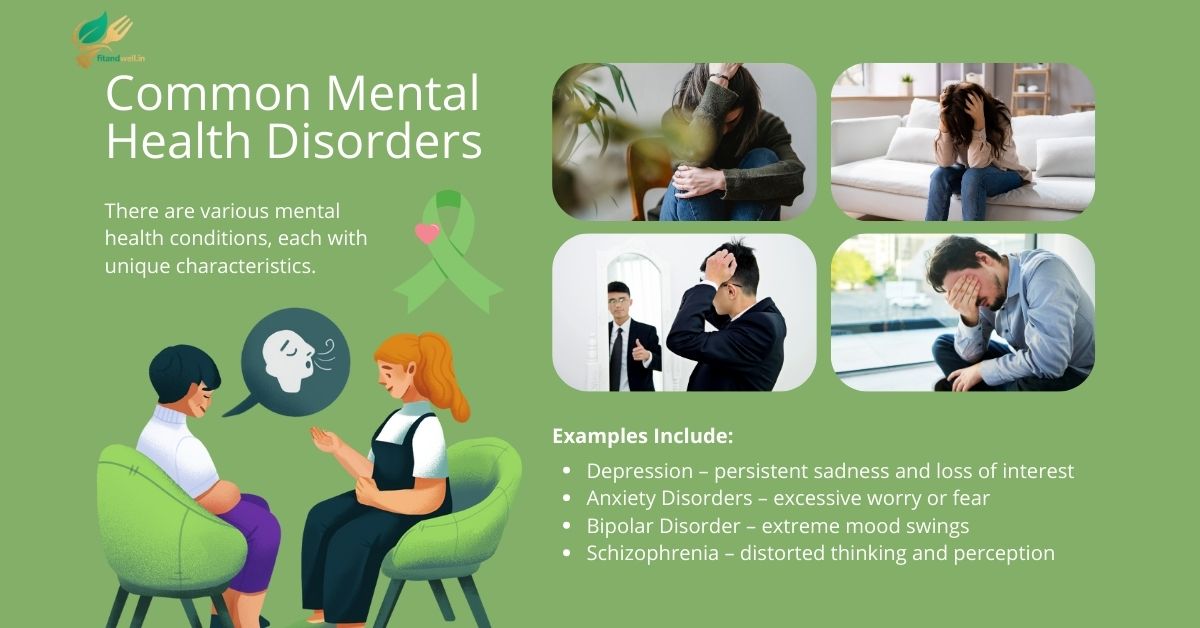
Depression affects approximately 45 million Indians, according to WHO estimates. This mood disorder causes persistent sadness, hopelessness, and loss of interest. Treatment includes therapy, medication, and lifestyle modifications.
Anxiety disorders impact millions more Indians across all age groups. Symptoms include excessive worry, panic attacks, and physical discomfort. Professional treatment proves highly effective for most anxiety conditions.
Bipolar disorder creates extreme mood swings between depression and mania. This condition affects decision-making, relationships, and daily functioning. Proper medication management enables most people to live normally.
Schizophrenia affects approximately 4 million Indians, according to medical research. This brain disorder involves hallucinations, delusions, and disorganised thinking. Early intervention improves long-term outcomes significantly for patients.
Debunking Harmful Myths about Mental Health
Myth: Mental illness results from a weak character or moral failing.
Truth: Mental health disorders have biological, genetic, and environmental causes.
Myth: People with mental illness are dangerous and unpredictable.
Truth: Most individuals with mental health conditions are not violent.
Myth: Mental health problems are permanent and untreatable conditions.
Truth: Most mental health disorders respond well to professional treatment.
Myth: Therapy is only for “crazy” people who lack intelligence.
Truth: Therapy helps anyone navigate life’s challenges more effectively.
Myth: Medication for mental health creates dependency and harmful addiction.
Truth: Psychiatric medications, when properly prescribed, are safe and effective.
The Science Behind Mental Health
Brain imaging technology reveals physical changes in mental health disorders. Neurotransmitter imbalances affect mood, thinking, and behaviour patterns significantly. Genetic factors increase vulnerability to certain psychological conditions.
Environmental stressors can trigger mental health episodes in susceptible individuals. Trauma, abuse, and significant losses impact brain chemistry. Social support and professional treatment help restore healthy functioning.
Research proves that mental health treatment works effectively. Therapy changes brain structure and improves emotional regulation. Medications restore chemical balance and reduce distressing symptoms.
Strategies to Combat Mental Health Stigma
Education and Awareness Campaigns
Schools must integrate mental health education into their standard curricula. Students need accurate information about psychological well-being from an early age. Teachers require training to identify and support struggling students.
Workplace mental health programs reduce stigma among adult populations. Employee assistance programs provide confidential counselling and support services. Mental health days should be normalised alongside physical sick leave.
Media representation significantly influences public perception of mental illness. Responsible reporting avoids sensationalism and provides accurate information. Positive portrayals of people with mental health conditions reduce stigma.
Language Matters: Choosing Words Carefully
Avoid using mental health terms as casual insults or descriptions. Words like “crazy,” “psycho,” and “bipolar” hurt real people. Choose respectful language that acknowledges people’s full humanity.
Say “person with depression” rather than “depressed person.” This approach emphasises personhood over illness or diagnostic labels. Use clinical terms accurately rather than as general adjectives.
Encourage others to consistently adopt respectful mental health language—challenge stigmatising comments when you hear them in conversation. Model compassionate communication about psychological challenges and recovery.
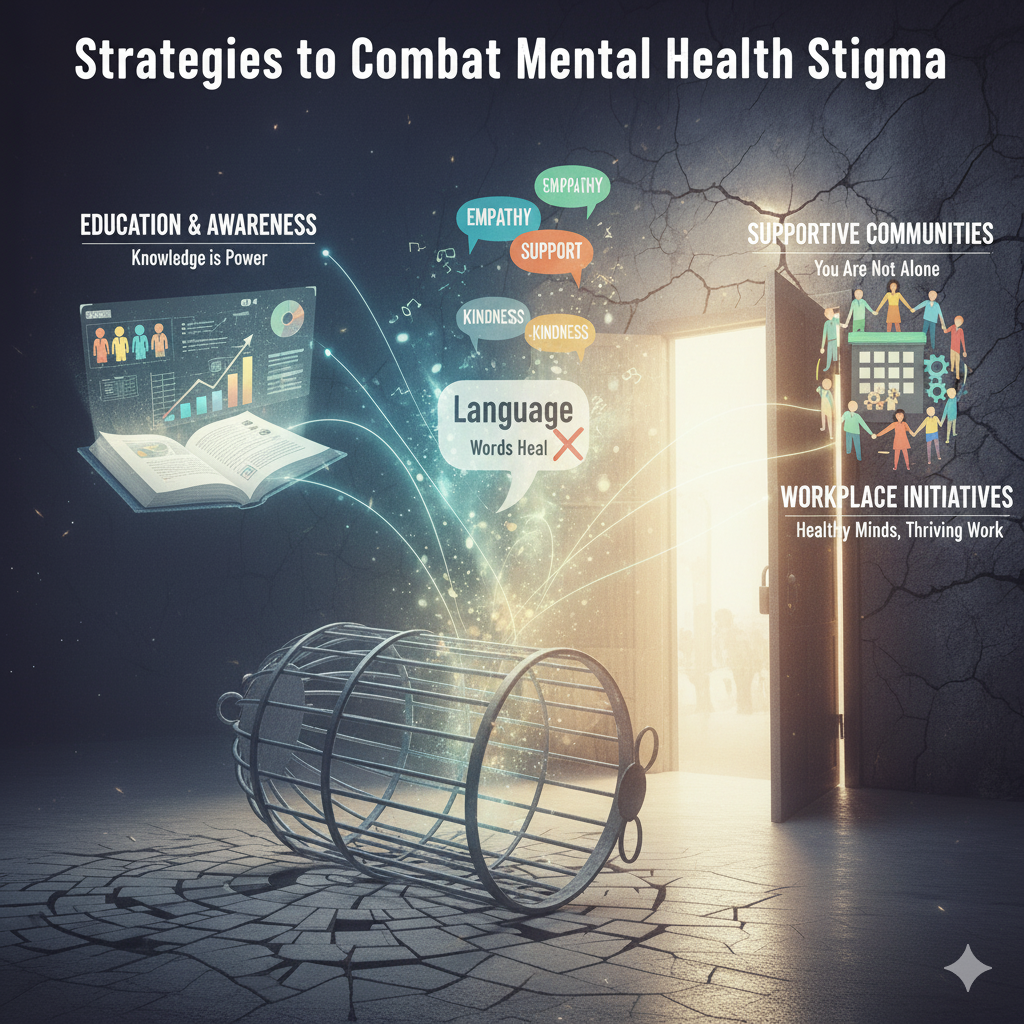
Creating Supportive Communities to combat mental Health Stigma
Religious and community leaders must promote mental health understanding. Temples, mosques, and churches can host mental health awareness events. Spiritual guidance should complement rather than replace professional treatment.
Support groups connect people with similar experiences and challenges. Peer support reduces isolation and provides practical coping strategies. Online communities offer accessibility for those unable to attend in-person meetings.
Family education helps relatives understand and support their loved ones. Counselling teaches communication skills and healthy boundary setting. Families learn to recognise warning signs and appropriate responses.
Workplace Mental Health Initiatives
Companies must create psychologically safe work environments for all employees. Mental health policies should protect against discrimination and harassment. Flexible work arrangements accommodate treatment schedules and stress management.
Manager training helps supervisors recognise and respond to mental health concerns. Early intervention prevents minor issues from becoming major problems. Supportive supervision improves both productivity and employee well-being.
Employee resource groups provide peer support and advocacy within organisations. Mental health champions can share their experiences and knowledge to support others. These programs normalise conversations about psychological well-being.
Professional Help: Breaking Barriers to Treatment
Types of Mental Health Professionals
Psychiatrists are medical doctors who specialise in mental health treatment. They can prescribe medication and provide therapy services. Psychiatrists handle severe conditions requiring medical intervention.
Psychologists hold advanced degrees in human behaviour and mental processes. They provide therapy, counselling, and psychological testing services. Many psychologists specialise in specific disorders or populations.
Licensed counsellors and therapists offer various forms of talk therapy. Social workers provide counselling alongside community resource connections. Peer counsellors share lived experience with mental health recovery.
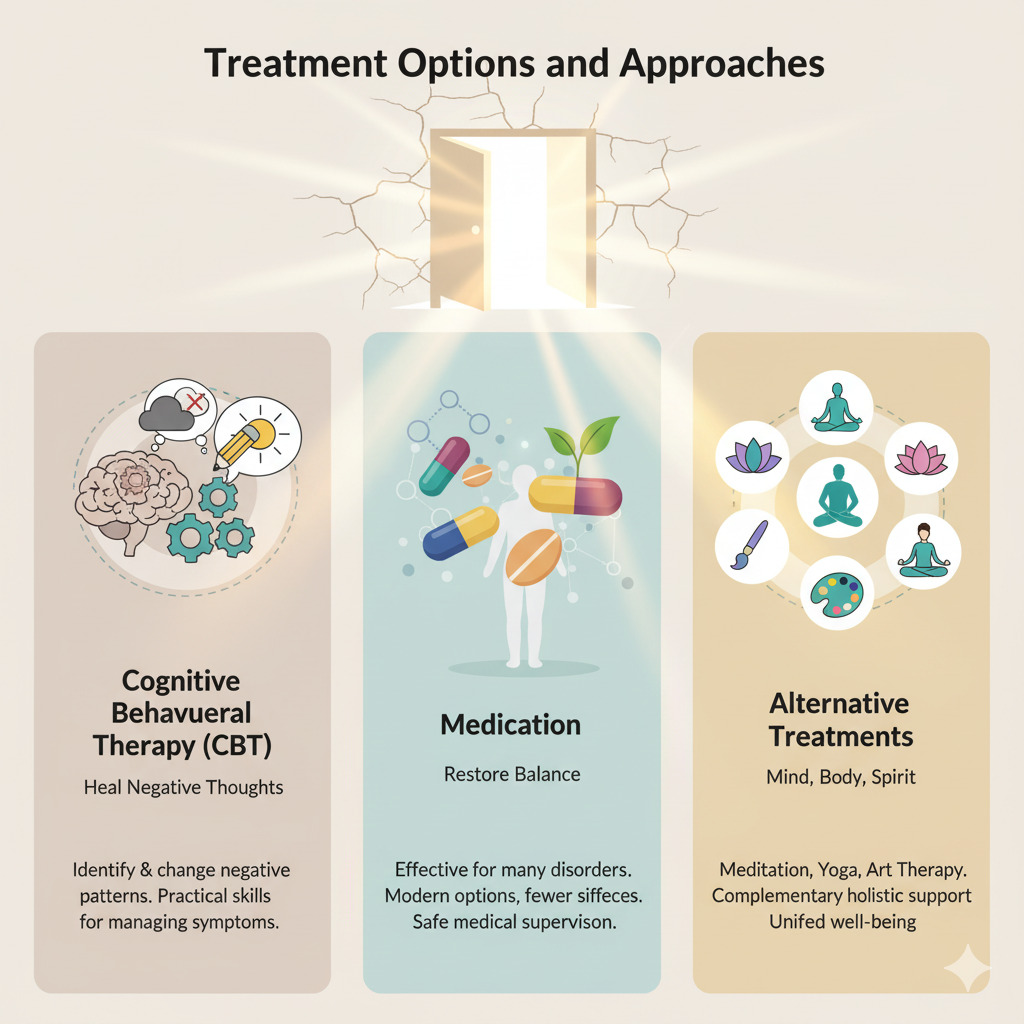
Treatment Options and Approaches for Mental Health Stigma
Cognitive behavioural therapy helps people identify and change negative thought patterns. This evidence-based approach proves effective for many mental health conditions. CBT teaches practical skills for managing symptoms and stress.
Medication can effectively treat many mental health disorders when appropriate. Modern psychiatric medications have fewer side effects than older options. Proper medical supervision ensures safe and effective medication management.
Alternative treatments, including meditation, yoga, and art therapy, provide additional support. In fact, this piece on meditation and anxiety shows how traditional practices backed by science can ease symptoms and improve daily life.
Accessing Mental Health Services in India
Government hospitals increasingly offer psychiatric services in major cities. The National Mental Health Program aims to improve accessibility nationwide. District mental health programs bring services to rural areas.
Private practitioners offer specialised care to those who can afford it. Sliding fee scales make treatment more accessible to middle-class families. Telemedicine expands access to remote and underserved communities.
Non-profit organisations offer free or low-cost mental health services. Crisis hotlines provide immediate support during mental health emergencies. Online therapy platforms increase convenience and reduce stigma barriers.
Building Support Systems
Family and Friends as Allies
Listen without judgment when someone shares mental health struggles. Avoid offering unsolicited advice or trying to “fix” the situation; instead, offer support and guidance. Your presence and support matter more than perfect words.
Learn about specific mental health conditions affecting your loved ones. Understanding symptoms and treatment helps you provide better support. Knowledge reduces fear and increases empathy for their experience.
Encourage professional treatment while offering emotional support throughout the process. Attend therapy sessions if requested and appropriate. Celebrate small victories and progress during the recovery journey.
Creating Safe Spaces
Safe spaces allow people to discuss mental health without fear. These environments require consistent confidentiality and non-judgmental attitudes. Ground rules protect everyone’s emotional well-being and privacy.
Online support groups provide anonymity for those fearful of social stigma. Virtual meetings accommodate various schedules and geographic limitations effectively. Moderated forums ensure that discussions are respectful and helpful.
Workplace support groups help employees navigate mental health challenges together. Employee assistance programs provide confidential counselling and referral services. Mental health resource libraries offer educational materials and information.
The Role of Technology
Mental health apps provide tools for mood tracking and coping strategies. These digital resources supplement but don’t replace professional treatment. Apps offer accessibility and convenience for managing daily mental health.
Teletherapy expands access to professional mental health services nationwide. Video counselling reduces travel barriers and scheduling conflicts significantly. Online platforms increase privacy for those concerned about social stigma.
Social media can both help and harm mental health efforts. Supportive online communities provide connection and shared experiences. However, comparison culture and cyberbullying create additional mental health risks.
Recovery Is Possible: Hope and Healing
The Science of Recovery
Neuroplasticity demonstrates that the brain can heal and adapt throughout one’s lifetime. New neural pathways develop through therapy and positive experiences. Recovery involves both symptom management and personal growth.
Evidence-based treatments show high success rates for most mental health conditions. Early intervention improves long-term outcomes and prevents symptom progression. Comprehensive treatment addresses multiple aspects of mental wellness.
Recovery looks different for each person experiencing mental health challenges. Some people achieve complete symptom remission with appropriate treatment. Others successfully manage ongoing symptoms while living fulfilling lives.
Measuring Progress and Success
Recovery involves more than just symptom reduction or complete elimination. Quality of life improvements are equally important as clinical measurements. Relationship quality, work satisfaction, and personal fulfilment indicate progress.
Setbacks are standard parts of the recovery process for everyone. Temporary symptom increases don’t negate previous progress or achievements. Professional support helps navigate difficult periods and prevents discouragement.
Celebrate small victories and incremental improvements during the healing journey. Progress may be slow and non-linear, but it remains meaningful. Each positive step builds a foundation for continued recovery.
Long-term Mental Health Management
Ongoing self-care practices support long-term mental health and recovery maintenance: regular exercise, adequate sleep, and healthy nutrition support psychological well-being. Stress management techniques prevent symptom recurrence and promote resilience.
Medication compliance, when prescribed, helps maintain stability and prevents relapse. Regular check-ins with mental health professionals ensure that appropriate treatment adjustments are made. Support system maintenance provides ongoing encouragement and accountability.
Lifestyle choices significantly impact mental health outcomes over time. Avoiding alcohol and drugs prevents complications and treatment interference. Building meaningful relationships and purposeful activities supports ongoing recovery.
Resources and Support Systems in India
National and Government Resources
National Mental Health Programme: Government initiative providing mental health services across India.
- District Mental Health Programme offices in major cities
- Trained personnel at primary healthcare centres nationwide
- Emergency psychiatric services in government hospitals
NIMHANS Bangalore: Premier mental health research and treatment facility.
- Specialised treatment programs for various mental health conditions
- Training programs for mental health professionals nationwide
- Research initiatives advancing mental health understanding and treatment
Crisis Support and Hotlines
Vandrevala Foundation Helpline: 1860-2662-345 or 1800-2333-330
- 24/7 crisis intervention and emotional support services
- Multilingual counsellors available for diverse language needs
- Free confidential counselling for individuals in mental health crises
iCall: 9152-987821
- Psychological counselling and support services for all age groups
- Email counselling is available for those preferring written communication
- Specialised support for specific populations and mental health conditions
AASRA Mumbai: 91-22-27546669
- Suicide prevention and crisis intervention services are available daily
- Trained volunteers provide emotional support and practical guidance
- Community outreach programs promoting mental health awareness
Online Resources and Applications
YourDOST: Online counselling platform connecting users with mental health professionals.
- Chat, voice, and video counselling options available
- Anonymous support for those concerned about privacy
- Specialised counsellors for various mental health conditions
MindShift: Anxiety management app with evidence-based coping strategies.
- Interactive tools for managing anxiety and panic symptoms
- Progress tracking and personalised treatment recommendations
- Educational resources about anxiety disorders and treatment options
Taking Action: What You Can Do Today
Personal Steps for Change
Examine your own attitudes and beliefs about mental health honestly. Challenge internal biases and stereotypes that create stigma barriers. Educate yourself about mental health conditions through reputable sources.
Share mental health resources and information on social media platforms to help raise awareness and support. Use your voice to promote understanding and reduce stigma. Support mental health awareness campaigns and advocacy efforts.
Practice self-care and model healthy mental health behaviours for others. Seek professional help when you need support or guidance—normalise therapy and counselling as tools for personal growth.
Community Involvement
Volunteer with local mental health organisations and support groups regularly. Participate in community mental health awareness events and fundraising efforts. Advocate for better mental health services in your area.
Contact elected officials about mental health policy and funding priorities. Support legislation that improves mental healthcare access and reduces discrimination. Vote for candidates who prioritise mental health initiatives.
Supporting Others
Check in regularly with friends and family members about their well-being. Learn to recognise warning signs of mental health struggles. Offer practical support like transportation to appointments or childcare.
Respect confidentiality when someone shares mental health information with you. Avoid gossip or sharing personal information without explicit permission. Maintain trust and demonstrate reliability in supporting relationships.
Mental health is deeply connected with physical health. For instance, stress often impacts digestion and immunity. If you want natural ways to support this balance, see our article on Top 15 Indian Home Remedies for Better Digestion.
Conclusion: A Future Without Stigma
Mental health stigma remains a significant barrier to healing and recovery. Yet, change is possible when individuals and communities commit to understanding. Each conversation, each act of compassion, creates ripples of transformation.
The brave individuals who share their stories light pathways for others. Deepika Padukone, Anupam Kher, Honey Singh, and countless others prove recovery is possible. Their courage inspires millions to seek help and support.
We stand at a crossroads in India’s mental health journey. Traditional beliefs and modern understanding can coexist with mutual respect. Science and compassion must guide our collective response to mental health challenges.
Together, we can create a society where mental health is valued equally alongside physical health. Every person deserves access to care, understanding, and hope for recovery. The time for silence and shame has passed.
Let us choose empathy over judgment, knowledge over ignorance, and hope over despair. Mental health recovery is not just possible—it is happening every day. Join this movement toward a more compassionate and understanding India.
Your voice matters. Your actions create change. Together, we will break the silence and build a future where mental health stigma no longer destroys lives.
The journey toward understanding begins with a single step forward. Take that step today. Reach out, speak up, and choose compassion. India’s mental health future depends on all of us.
FAQs on Mental Health Stigma
Q1. What is mental health stigma in India?
Mental health stigma in India refers to the negative beliefs, stereotypes, and discrimination faced by individuals with mental illnesses, often preventing them from seeking help.
Q2. How does stigma affect people with mental health conditions?
Stigma leads to isolation, delayed treatment, career limitations, and emotional suffering. It also increases economic costs because of untreated conditions.
Q3. Why is mental health stigma still strong in India?
Cultural beliefs, family honour, superstition, and lack of awareness contribute to the persistence of stigma despite modern scientific understanding.
Q4. What are some common myths about mental illness?
Myths include beliefs that mental illness is caused by weak character, is untreatable, or that people with mental disorders are dangerous—all of which are false.
Q5. Can people recover from mental health conditions?
Yes. With therapy, medication, and support, most individuals can manage or fully recover, leading fulfilling and successful lives.
Q6. How can society reduce mental health stigma?
By promoting awareness campaigns, adopting respectful language, improving workplace support, and encouraging open conversations about mental health.
Q7. Who are some public figures in India who spoke about mental health?
Celebrities like Deepika Padukone, Anupam Kher, Honey Singh, Shah Rukh Khan, and Manisha Koirala have openly shared their mental health struggles and recovery journeys.
Q8. Where can people in India seek mental health support?
Resources include NIMHANS Bangalore, the National Mental Health Programme, helplines like Vandrevala Foundation and AASRA, and online platforms like YourDOST.
