
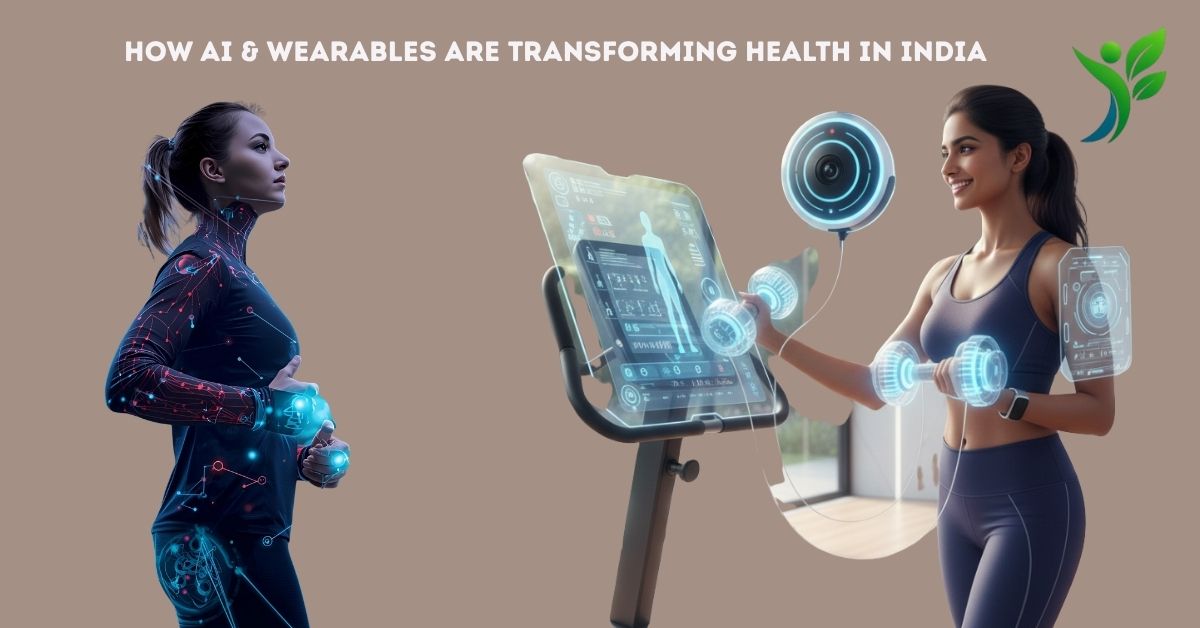
Personalised fitness in India is undergoing a remarkable transformation in 2025. AI and advanced wearables are revolutionising fitness in India. AI-driven apps and advanced wearables have moved beyond step counts and calorie logs.
Fitness is no longer just about going to the gym; it’s about embracing a holistic approach to wellness. Now, we have smart apps and wearable devices that do more than count steps. They give us real-time advice, create custom workout plans, and even guide our nutrition, making fitness more personal.
India has positioned itself at the forefront of the digital health revolution, leading the world with a remarkable 25% penetration rate in AI-powered health solutions. The country ranks among the top three globally for wearables and health tracker adoption, achieving an impressive 32% penetration rate. This digital health infrastructure is supported by over 730 million Ayushman Bharat Health Accounts created through the government’s digital health mission.
Personalised fitness in India: The Post-Pandemic Catalyst
The COVID-19 pandemic served as a pivotal turning point in Personalised fitness in India. The pandemic accelerated a pre-existing trend towards greater health consciousness across India. The societal conversation surrounding well-being has shifted from a focus on short-term, aesthetic outcomes to a broader embrace of lifestyle-based well-being and preventive healthcare.
This new mindset recognises the value of fitness for “long-term productivity, disease prevention and mental resilience”. The conventional understanding of fitness, once limited to a narrative of “workout hard, eat less,” is being supplanted by a more nuanced, data-driven approach.
The Current State of Personalised Fitness in India
Market Growth and Statistics
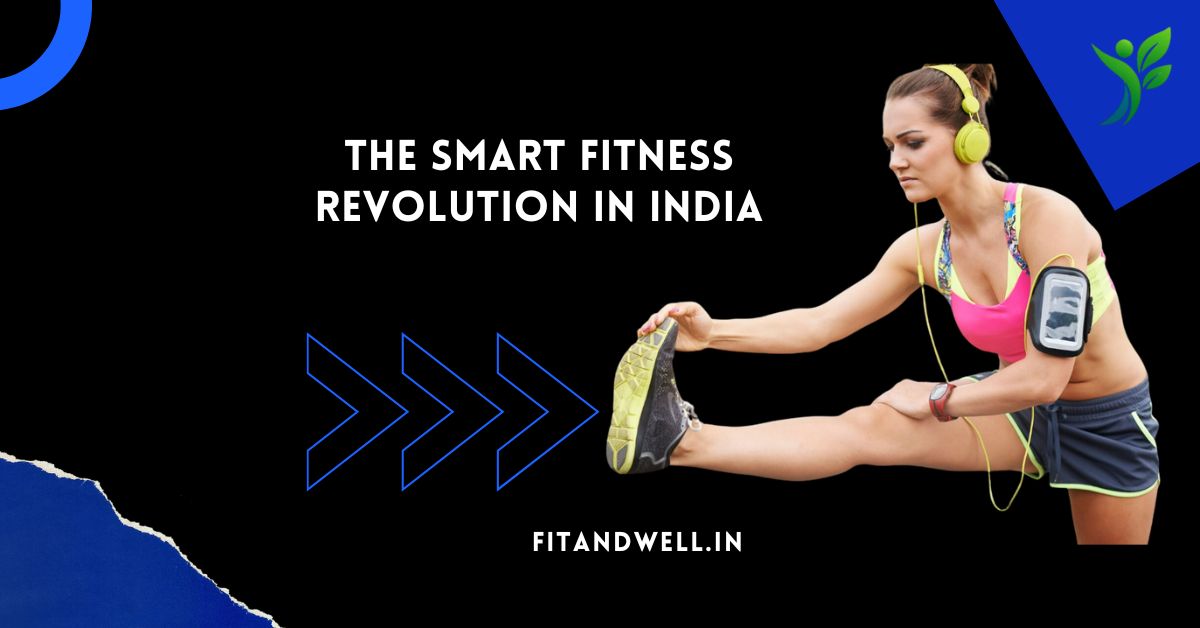
India’s smart wearable market, including smartwatches and fitness bands, is expected to grow at a CAGR of 17.8% between 2025 and 2033, demonstrating the nation’s strong appetite for health technology.
Key market insights for 2025:
- Market size: Approximately USD 2.61 billion in 2024, expected to reach USD 7.65 billion by 2030
- Growth rate: About 19.8% annual increase (CAGR) from 2025 to 2030
- Consumer adoption: Rising health awareness drives market demand
- Technology integration: AI features become standard in fitness devices
Popular Devices and Platforms
Leading global brands dominate India’s wearable landscape, including Apple Inc., Samsung Group, Google LLC, Xiaomi, and Nike.
Top wearable categories include:
- Smartwatches: Complete health monitoring systems
- Fitness bands: Affordable entry-point devices
- Smart rings: Emerging category gaining traction
- Hearables: Audio devices with integrated health tracking
Consumer Behaviour and Adoption
Indian consumers embrace personalised fitness technology enthusiastically. Adoption is highest among young professionals and urban populations, with rural regions showing growing interest.
Key adoption drivers:
- Health awareness: Post-pandemic wellness focus
- Affordability: Prices dropping across device categories
- Features: Advanced AI capabilities at lower costs
- Integration: Seamless smartphone connectivity
The Rise of Personalised Fitness in India 2025
The Indian health landscape has shifted dramatically. Traditional gym memberships are declining, while AI-driven fitness apps and wearables see exponential adoption. According to Statista, nearly 50 million Indians now use wearable health devices, with smartwatches leading the market.
This rise reflects more profound lifestyle changes. People want fitness plans tailored to their bodies, routines, and goals, not cookie-cutter workouts. Personalised fitness in India 2025 connects AI insights with user data, creating a feedback loop that maintains high motivation and makes results measurable.
How AI Is Powering Fitness Transformation
Artificial Intelligence is the engine behind this revolution. It analyses complex health metrics, including:
- Heart rate variability
- Blood oxygen levels
- Sleep cycles
- Activity intensity
AI doesn’t just collect data. It interprets patterns, offering personalised recommendations. For example, if a user shows fatigue in sleep data, the AI might reduce workout intensity and suggest restorative yoga.
In India, AI-powered fitness apps such as HealthifyMe, Ultrahuman, and GOQii have integrated AI coaches that adapt in real-time. This performance-based personalisation ensures users feel guided, not overwhelmed.
Wearables as Daily Health Companions
Wearables have evolved from step trackers into comprehensive health monitors. By 2025, popular devices in India include:
- Smartwatches (Apple, Samsung, Noise, boAt)
- Bright rings (Ultrahuman Ring, Oura)
- Connected fitness bands
These devices sync with AI apps, enabling seamless health tracking. For many Indians, wearables are not fashion accessories but accountability partners. They help track progress, prevent burnout, and even alert users to potential medical concerns like arrhythmia or sleep apnea.
AI + Wearables: The Perfect Fitness Partnership
The true power lies in integration. AI provides interpretation, while wearables supply continuous data. Together, they create a personalised health ecosystem.
For instance:
- A wearable tracks calorie burn during the day.
- AI compares it with the nutritional intake logged in the app.
- The system then recommends an evening walk instead of a high-intensity workout.
This closed-loop personalisation makes staying healthy easier for Indians with unpredictable schedules.
Personalised Nutrition and Diet Tracking
Fitness is incomplete without nutrition. In India, where diets vary by region and culture, AI-based meal tracking has become transformative. Apps now:
- Analyse food photos with AI recognition
- Suggest meal alternatives to improve macros
- Create diet plans based on Ayurveda-inspired recommendations or ketogenic diets
- Factor in the affordability and availability of Indian foods
Wearables even track hydration through sweat analysis, ensuring users balance electrolytes in hot climates.
Fitness Beyond the Gym: Smart Workouts and Home Training
India’s post-pandemic reality has cemented home workouts as a staple. By 2025, AI-powered platforms will deliver smart sessions via:
- Virtual reality gyms
- Interactive mirrors (like FITTR and Cult)
- AI trainers correcting posture in real time
The growth of personalised fitness India 2025 ensures that whether someone lives in Delhi, Bangalore, or a Tier-2 city, they can access quality training tailored to their needs.
Personalised fitness in India 2025 goes beyond exercise and integrates nutrition tracking. Explore our fitness articles for improving health
Mental Wellness Meets AI in India’s Fitness Revolution
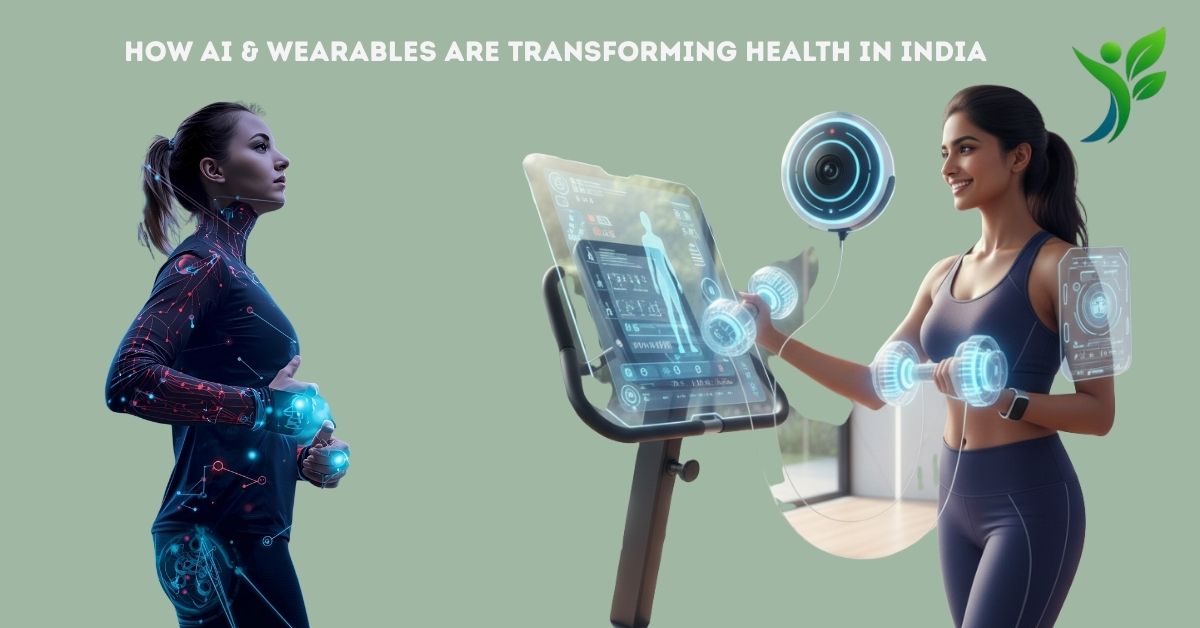
Personalised health isn’t just physical. AI-driven platforms now blend mindfulness, meditation, and stress tracking into their services. Wearables monitor stress through heart rate variability, nudging users to take breaks.
This integration is vital in India, where urban stress levels are among the highest globally. Personalised fitness in India 2025 thus covers mind-body wellness, not just calorie counts.
Data Privacy Concerns in AI Fitness Platforms
With personalisation comes sensitive data. Concerns rise around:
- Who owns fitness data?
- How secure are AI-driven platforms?
- Can insurance companies misuse health metrics?
India’s upcoming Digital Personal Data Protection Act places accountability on companies. However, trust will be key to the continued adoption of AI fitness solutions.
The Role of Indian Startups in Personalised Fitness
India is not just importing global fitness tech. Startups are driving innovation:
- Ultrahuman Ring (sleep and glucose monitoring)
- GOQii (AI coaching and insurance integration)
- CureFit (AI-powered workouts and nutrition)
These homegrown players understand cultural nuances, such as vegetarian diets, fasting traditions, and affordability. Their role is central in shaping personalised fitness India 2025.
Future Trends: What India Can Expect by 2030
By 2030, expect:
- AI predicting illnesses before symptoms appear
- Wearables with continuous glucose monitoring
- Personalised VR workout ecosystems
- Government-backed digital health initiatives
The future of personalised fitness in India is proactive healthcare, not reactive treatment.
Challenges Hindering AI Fitness Adoption
Barriers remain:
- High device costs for middle-class Indians
- Low digital literacy in rural regions
- Data privacy fears
- Reliance on imported hardware
Bridging these gaps will decide how fast personalised health adoption spreads across India.
Global Comparisons: Where India Stands?
Compared to the US or Europe, India’s adoption curve is sharper due to its young demographic. However, affordability issues keep rural areas lagging. With ‘Digital India’ initiatives, the gap is expected to close by 2030.
How Personalised Fitness Empowers Indians of All Ages
Personalisation is not just for millennials:
- Teenagers benefit from fitness gamification
- Working adults get stress management and lifestyle insights
- Seniors monitor heart health and fall risks
This inclusivity ensures that AI and wearable fitness tools create impact across generations.
India in 2025 is witnessing a health revolution. AI and wearables are no longer futuristic ideas. They are here, reshaping how people eat, move, sleep, and recover. The future of personalised fitness in India lies in embracing technology as a trusted partner in health.
Explore more expert insights, nutrition tips, and fitness strategies with us. Stay ahead in your health journey with guidance built for India’s future.
FAQs on Personalised Fitness in India 2025
Q1. What does personalised fitness in India 2025 mean?
Personalised fitness in India 2025 refers to health and wellness solutions powered by AI and wearables. These tools provide tailored workout plans, nutrition advice, and lifestyle recommendations based on individual data, including sleep patterns, heart rate, and activity levels.
Q2. How are AI and wearables transforming fitness in India?
AI analyses health data from wearables like smartwatches, rings, and bands to create real-time, customised fitness guidance. Together, they track sleep cycles, calorie burn, stress levels, and nutrition, making fitness more personal and practical.
Q3. What are the most popular fitness devices in India in 2025?
Smartwatches, fitness bands, smart rings, and hearables are the most widely used devices. Brands like Apple, Samsung, Noise, Ultrahuman, and GOQii lead the Indian market with AI-powered health features.
Q4. How big is the personalised fitness market in India?
The Indian smart wearable market is valued at USD 2.61 billion in 2024 and is projected to reach USD 7.65 billion by 2030. It is growing at a CAGR of nearly 20%, fueled by rising health awareness and affordable devices.
Q5. Is personalised fitness limited to workouts?
No. In 2025, personalised fitness in India goes beyond the gym. It includes AI-driven nutrition plans, hydration tracking, stress management, and even home workouts using VR gyms and interactive mirrors.
Q6. Are there privacy concerns with AI fitness apps?
Yes. Data ownership and security are significant concerns as fitness apps collect sensitive health information. India’s Digital Personal Data Protection Act aims to safeguard user data, but trust remains an important factor in adoption.
Q7. Which Indian startups are leading the personalised fitness revolution?
Startups like Ultrahuman, GOQii, and CureFit are making personalised fitness affordable and culturally relevant. They integrate AI coaching, insurance features, and nutrition plans designed for Indian lifestyles.
Q8. How does personalised fitness help mental wellness?
Wearables now monitor stress levels through heart rate variability, while AI apps suggest meditation, mindfulness, and relaxation activities. This helps Indians balance both physical and mental health in 2025.
Q9. Who benefits most from personalised fitness in India?
Everyone. Teens enjoy gamified workouts, professionals get stress management insights, and seniors use wearables to monitor heart health and fall risks. Personalised fitness India 2025 is inclusive across age groups.
Q10. What is the future of personalised fitness in India?
By 2030, AI is expected to predict illnesses before symptoms appear, wearables will include continuous glucose monitoring, and virtual reality gyms will become mainstream. The focus will shift from treatment to proactive healthcare.
References:
https://www.futuremarketinsights.com/