
There’s something profoundly beautiful about simplicity. In a world obsessed with exotic superfoods and complex nutritional supplements, one of the most powerful foods for gut health has been sitting quietly on breakfast plates across South India for over a thousand years.
The humble idli—a pillowy, steamed rice cake that melts on your tongue—is far more than just comfort food. It’s a testament to ancient wisdom about fermentation, nutrition, and the intricate relationship between what we eat and the trillions of microorganisms living in our digestive system.
When Google features something as unassuming as idli in its Doodle, it’s not just celebrating a beloved breakfast dish. It’s shining a spotlight on a culinary tradition that modern science is only beginning to fully appreciate. The idli represents centuries of intuitive understanding about gut health, fermentation, and nutrition—knowledge that predates our modern understanding of probiotics, prebiotics, and the gut microbiome by millennia.

The Ancient Art of Fermentation
The story of idli begins with fermentation, one of humanity’s oldest food preservation techniques. Long before refrigeration, our ancestors discovered that allowing certain foods to ferment not only preserved them but also transformed their nutritional profile and digestibility. The fermentation process that creates idli is a carefully orchestrated dance between rice, black lentils (urad dal), water, time, and naturally occurring beneficial bacteria and yeasts.
The preparation of idli batter is deceptively simple. Rice and urad dal are soaked separately, ground into a smooth paste with water, then combined and left to ferment overnight—or longer in cooler climates. During this fermentation period, something magical happens. The naturally present bacteria, primarily lactic acid bacteria, begin to multiply and work their transformative magic on the batter. The mixture rises, develops a pleasant tangy aroma, and becomes lighter and more digestible than its raw ingredients.
This fermentation process is crucial for gut health. The lactic acid bacteria that proliferate during fermentation are similar to the beneficial bacteria that inhabit our intestinal tract. When we consume fermented foods like Idli, we’re not just eating rice and lentils—we’re consuming a food that has been pre-digested by beneficial microorganisms, making it easier for our own digestive system to break down and absorb nutrients.
Along with Idli, explore our article on a healthy gut here
Understanding Gut Health and the Microbiome
To truly appreciate why Idli deserves its moment in the Google Doodle spotlight, we need to understand what gut health actually means. Your gut is home to approximately 100 trillion microorganisms—bacteria, viruses, fungi, and other microbes—collectively known as the gut microbiome. This complex ecosystem weighs about two to three pounds and contains more cells than your entire body has human cells.
The gut microbiome is not just along for the ride. These microorganisms play crucial roles in digestion, immune function, mental health, metabolism, and even the production of vitamins and neurotransmitters. When your gut microbiome is diverse and balanced, it supports overall health. When it’s disrupted—a condition called dysbiosis—it can contribute to everything from digestive issues to mood disorders, obesity, autoimmune conditions, and chronic inflammation.
The modern Western diet, characterized by processed foods, excessive sugar, and limited fiber, has been linked to reduced gut microbiome diversity. In contrast, traditional diets that include fermented foods have been associated with more diverse and healthier gut microbial communities. This is where Idli shines as a champion of gut health.
How Idli Supports a Healthy Gut
The fermentation process that creates Idli produces a food that supports gut health in multiple ways. First, the fermentation partially breaks down the carbohydrates and proteins in rice and lentils, making them easier to digest. This means less work for your digestive system and less likelihood of experiencing bloating, gas, or digestive discomfort.
Second, fermented Idli batter contains beneficial lactic acid bacteria, including species like Lactobacillus and Leuconostoc. While many of these bacteria may not survive the steaming process, research suggests that even heat-killed probiotic bacteria can have beneficial effects on gut health. Additionally, the compounds produced during fermentation—including organic acids, enzymes, and peptides—remain in the final product and contribute to digestive wellness.
Third, the fermentation process increases the bioavailability of nutrients. Studies have shown that fermentation can increase the levels of B vitamins, particularly folate and riboflavin, in the final product. The process also reduces anti-nutritional factors like phytic acid, which can interfere with the absorption of minerals like iron and zinc. This means that the nutrients in Idli are more accessible to your body than those in unfermented rice and lentil preparations.
The combination of rice and urad dal in Idli also provides a complete protein profile. Rice is rich in methionine but low in lysine, while lentils are high in lysine but low in methionine. Together, they complement each other to provide all the essential amino acids your body needs. This complete protein supports not just muscle health but also the production of digestive enzymes and the maintenance of the intestinal lining—both crucial for gut health.
The Fiber Factor
While Idli is often praised for its probiotic benefits, its contribution to gut health goes beyond beneficial bacteria. The dish provides dietary fiber, particularly from the urad dal component. Dietary fiber is the unsung hero of gut health, serving as food for the beneficial bacteria in your intestinal tract.
There are two types of fiber: soluble and insoluble. Soluble fiber dissolves in water and forms a gel-like substance that slows digestion and helps regulate blood sugar levels. Insoluble fiber doesn’t dissolve and helps move food through your digestive system. Both types are important for gut health, and lentils provide both.
When beneficial bacteria in your gut ferment dietary fiber, they produce short-chain fatty acids (SCFAs) like butyrate, propionate, and acetate. These SCFAs are not just waste products—they’re powerful compounds that nourish the cells lining your colon, reduce inflammation, support immune function, and may even influence brain health through the gut-brain axis.
The regular consumption of fiber-rich, fermented foods like idli can help maintain a healthy population of beneficial bacteria in your gut. This, in turn, supports the production of these valuable SCFAs and contributes to overall digestive wellness and systemic health.
Idli in the Context of Traditional Wisdom
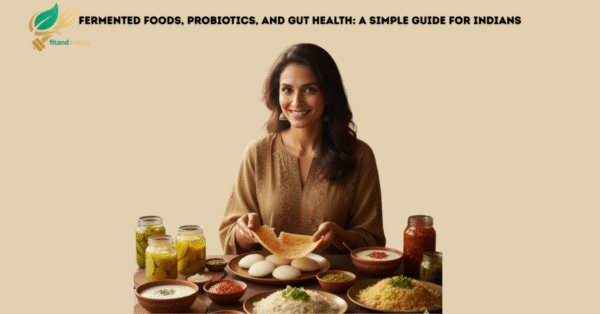
What’s fascinating about Idli is that it emerged from a food culture that intuitively understood principles of gut health long before the term “microbiome” existed. Traditional South Indian cuisine includes numerous fermented foods—from Idli and dosa to more complex preparations like kanji (fermented rice water) and various pickles fermented with beneficial bacteria.
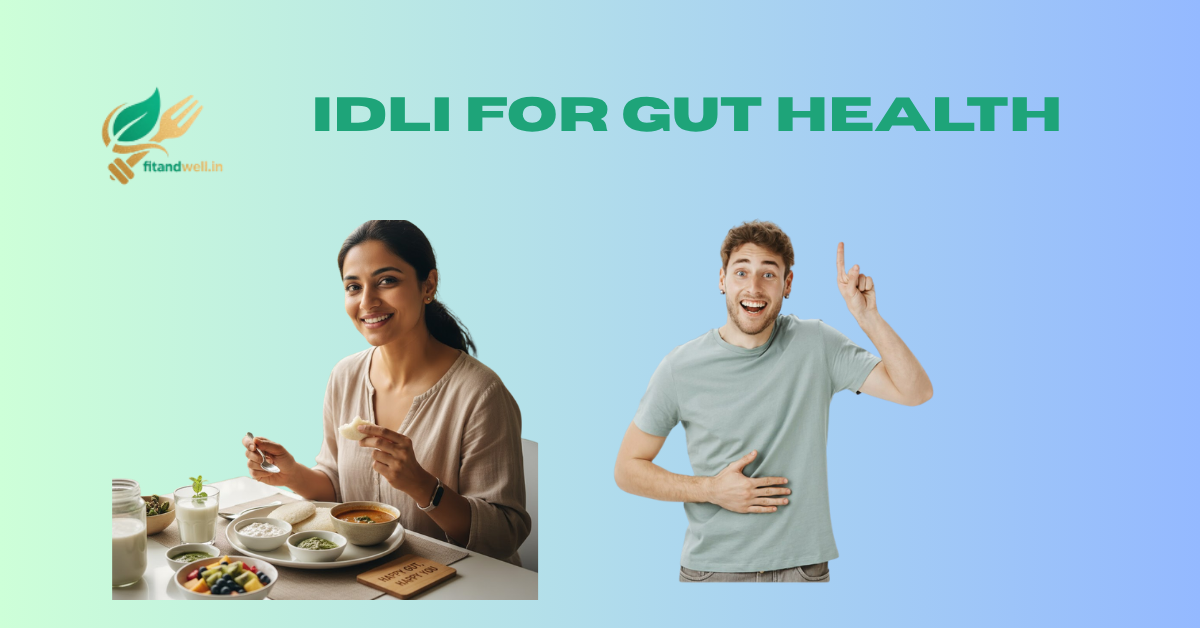
This emphasis on fermented foods wasn’t based on scientific understanding of gut bacteria but on centuries of observation about which foods made people feel good, provided sustained energy, and were easy to digest. The traditional practice of eating Idli with coconut chutney and sambar (a lentil-based vegetable stew) creates a complete meal that provides probiotics from fermentation, prebiotics from vegetables, healthy fats from coconut, and a diverse array of nutrients from multiple plant sources.
Traditional food cultures around the world have similar fermented staples—from Korean kimchi to German sauerkraut, from Japanese miso to Ethiopian injera. These foods emerged independently in different cultures because fermentation worked. It preserved food, enhanced flavor, and supported health. Modern science is now confirming what traditional wisdom always knew: fermented foods are good for you, particularly for gut health.
The Steaming Advantage
One often overlooked aspect of Idli that contributes to its gut-friendly nature is the cooking method. Unlike fried foods or heavy curries, idli is steamed. This cooking method requires no oil and preserves more nutrients than high-heat cooking methods. Steaming also makes Idli incredibly light and easy to digest.
The soft, porous texture of steamed Idli allows digestive enzymes to easily access and break down the food. This is particularly beneficial for people with sensitive digestive systems, those recovering from illness, or anyone seeking foods that won’t tax their digestive capacity. The gentle nature of idli makes it suitable for everyone from babies being introduced to solid foods to elderly individuals who may have reduced digestive capacity.
The ease of digestion also means that the energy from Idli is readily available without causing the blood sugar spikes and crashes associated with refined carbohydrates. The protein from urad dal and the complex carbohydrates from rice provide sustained energy throughout the morning, making idli an ideal breakfast food.
Modern Science Meets Ancient Practice
Recent research has been vindicating traditional fermented foods like idli. Studies on the gut microbiome have revealed that dietary diversity and the regular consumption of fermented foods are associated with greater microbial diversity in the gut. Greater diversity is generally associated with better health outcomes, including improved immune function, better metabolic health, and reduced inflammation.
A 2021 study published in the journal Cell found that people who consumed fermented foods daily for ten weeks showed increased gut microbiome diversity and decreased markers of inflammation compared to those who consumed a high-fiber diet without fermented foods. While this study didn’t specifically examine idli, it supports the value of including fermented foods in the regular diet for gut health.
Researchers have also identified specific strains of bacteria in traditional fermented foods that have probiotic properties. Many of these strains are naturally present in idli batter during fermentation. While the steaming process may reduce the number of viable bacteria, the metabolites they produce during fermentation—including organic acids, antimicrobial peptides, and vitamins—remain in the final product and contribute to its health benefits.
Idli as Part of a Gut-Healthy Lifestyle
While idli is undoubtedly beneficial for gut health, it’s important to see it as part of a broader dietary pattern rather than a magic bullet. The traditional South Indian diet that includes idli also emphasizes vegetables, lentils, rice, coconut, and spices—all of which contribute to gut health in different ways.
The beauty of idli is its versatility. It can be paired with sambar, rich in vegetables and lentils that provide prebiotic fiber. It can be eaten with coconut chutney, which provides healthy fats and additional fiber. It can be incorporated into dishes like idli upma (crumbled idli sautéed with vegetables and spices) to increase vegetable intake. Each of these preparations contributes different nutrients and different types of fiber that support a diverse gut microbiome.
For optimal gut health, nutritionists recommend eating a diverse diet rich in whole foods, including fermented foods like idli, plenty of vegetables and fruits, whole grains, legumes, nuts, and seeds. This diversity provides the various types of fiber and nutrients that different bacterial species in your gut need to thrive.
Making Idli at Home: A Practice in Patience
In our instant gratification culture, making Idli at home is an exercise in patience and planning. The process can’t be rushed. The grains need time to soak, the batter needs time to ferment, and the fermentation needs the right temperature to occur properly. This slower pace is itself a lesson—good gut health isn’t built overnight but through consistent, thoughtful choices over time.
For those interested in making Idli at home, the basic process is straightforward but requires attention. Soak rice and urad dal separately for several hours. Grind them separately or together until smooth, adding just enough water to create a thick, pourable batter. Mix the two batters together with salt, and leave covered in a warm place for 8-12 hours or until the batter has risen and developed a pleasant sour aroma. The fermented batter can then be poured into idli molds and steamed for about 10-12 minutes.
The quality of your Idli depends on several factors: the ratio of rice to dal (typically 3:1 or 4:1), the consistency of the batter, the fermentation time and temperature, and the quality of your ingredients. Many home cooks develop their own preferences through trial and error, adjusting the recipe to suit their taste and local climate.
The Future of Traditional Foods
The celebration of idli through a Google Doodle represents something larger than recognition of a single dish. It represents a growing awareness of the value of traditional foods and food preparation methods. As we learn more about gut health, the microbiome, and the connection between diet and overall wellness, we’re rediscovering that many traditional practices were remarkably sophisticated.
This doesn’t mean we should romanticize the past or reject all modern food innovations. Rather, it suggests that we can look to traditional food cultures for inspiration while applying modern scientific understanding to optimize our diets. Idli is a perfect example of this synthesis—a traditional food that modern science confirms is genuinely beneficial for health.
As interest in gut health continues to grow, we’re likely to see increased appreciation for fermented foods from various cultures. The global food landscape is richer for this diversity, and our individual gut microbiomes benefit from exposure to different types of beneficial bacteria and fermented foods from around the world.
Conclusion
The idli’s moment in the Google Doodle spotlight is well-deserved recognition for a food that embodies the intersection of tradition, nutrition, and gut health. This humble steamed rice cake represents centuries of culinary wisdom about fermentation, a cooking method that’s gentle on digestion, and a combination of ingredients that provides complete nutrition.
In celebrating Idli, we’re celebrating more than just a tasty breakfast. We’re acknowledging the sophisticated understanding of food and health embedded in traditional cuisines. We’re recognizing that sometimes the most powerful foods for our wellbeing aren’t exotic or expensive but simple, traditional preparations that have nourished communities for generations.
As research into gut health continues to evolve, the importance of fermented foods like Idli will likely become even more apparent. The gut microbiome influences far more aspects of our health than we previously imagined, from immune function to mental health to chronic disease risk. Supporting a healthy, diverse microbiome through diet—including regular consumption of fermented foods—is one of the most powerful things we can do for our overall wellbeing.
So the next time you bite into a soft, fluffy Idli, remember that you’re not just enjoying a delicious breakfast. You’re participating in an ancient tradition of fermentation, supporting your gut health with beneficial bacteria and easily digestible nutrients, and connecting with a food culture that understood the profound relationship between what we eat and how we feel. In a world of complex dietary advice and trendy superfoods, sometimes the most nourishing choice is the simplest one that’s been sitting on the breakfast table all along.