
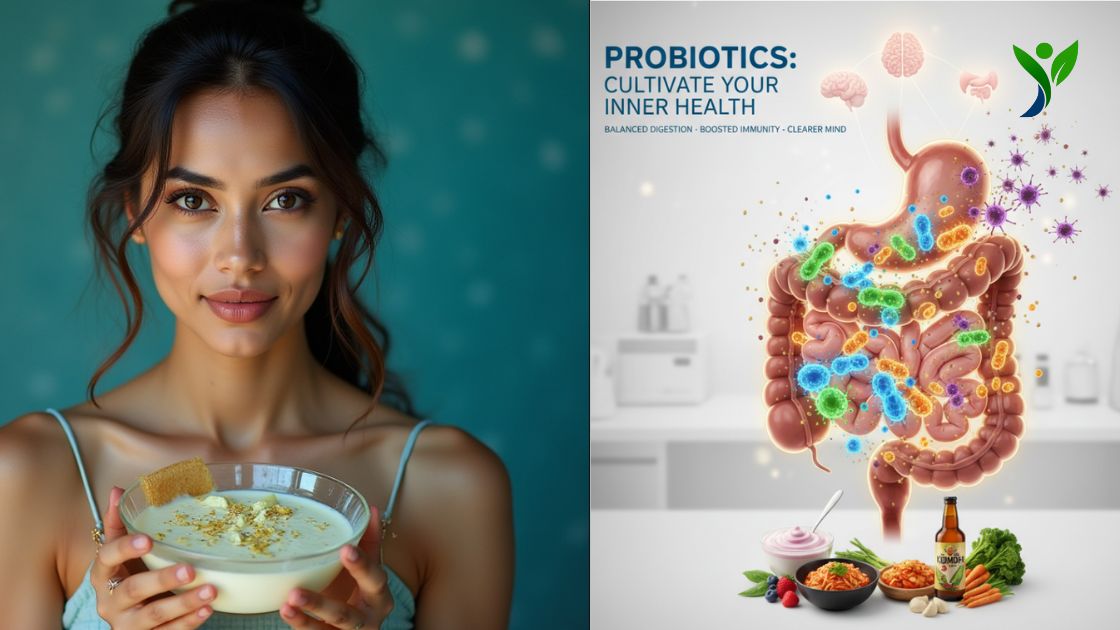
Digestive issues are prevalent in urban India, affecting 7 out of 10 people, and are linked to overall wellness. Consuming probiotic foods in India is a natural way to support a healthy digestive system.
A 2023 survey reported that 7 out of 10 urban Indians suffer from digestive or gut health issues, including bloating, acidity, and irregular bowel movements. These digestive disorders are closely linked with immunity, metabolism, and even mental well-being, making gut health a vital aspect of overall wellness.
Incorporating probiotic foods into your daily diet in India is a natural and effective way to support a healthy digestive system.
The link between gut health and immunity, metabolism, and even mental well-being is now well established. One proven way to support a healthy gut is by adding rich probiotic foods in India to your daily diet.
What Are Probiotics, and Why Do They Matter?
Probiotics are friendly bacteria that live in your gut. They compete with harmful microbes, aid nutrient absorption, and keep digestion smooth. A balanced gut microbiome is linked to:
- Better immunity against infections
- Improved absorption of vitamins and minerals
- Reduced risk of digestive disorders like IBS and constipation
- Better mental health through the gut-brain connection
For best results, pair probiotic foods with prebiotic foods India offers in abundance, such as onions, whole grains, and legumes.
Making gut health a vital aspect of overall wellness. For more natural ways to strengthen your immune system, check out these top Indian foods that help boost immunity

Top 10 Probiotic Foods in India for Better Gut Health
Gut health is the foundation of overall wellness. In 2025, Indian diets are embracing probiotic-rich foods more than ever to improve digestion, boost immunity, and enhance mental well-being.
Here are the top 10 probiotic foods commonly found in Indian kitchens that promote better gut health in 2025.
1. Curd (Dahi)
Curd is a traditional probiotic staple in Indian households. It contains live cultures, like Lactobacillus that nourish the gut flora. Eating homemade curd 4-5 times a week can ease digestion, reduce acidity, and keep your stomach calm.
2. Buttermilk (Chaas)
Buttermilk is diluted curd churned with water and spices such as cumin and turmeric, known for its probiotic qualities. It helps reduce bloating and promotes smooth digestion. Enjoy a glass daily, especially in warm weather.
3. Idli and Dosa
These South Indian breakfast favourites are made from fermented rice and urad dal batter. The fermentation process increases probiotics and nutrient bioavailability. They are gentle on the stomach and excellent for all
4. Kanji
Kanji is a traditional fermented carrot drink popular in North India. Made from black carrots and mustard seeds, it is rich in lactic acid bacteria. Drinking kanji supports digestion and helps detoxify the gut.
5. Paneer (Cottage Cheese)
Fresh paneer made at home contains probiotic strains formed during fermentation. It provides protein and calcium along with gut health benefits. Consume it in moderation, paired with leafy greens or colourful vegetables.
6. Pickles (Naturally Fermented)
Homemade pickles prepared without vinegar, using mustard oil or brine, are excellent probiotic sources. These pickles enhance gut flora diversity and aid digestion, but should be eaten in limited quantities.
7. Kefir
Though not originally from India, kefir has gained recognition for its rich probiotic content. This fermented milk drink contains over 30 strains of beneficial bacteria that support gut restoration and improve lactose digestion.
8. Kombucha
Kombucha is a fermented tea rich in antioxidants and probiotics. It helps detoxify the liver and promotes a healthy metabolism, making it an excellent addition to the gut-friendly diet.
9. Methi Thepla
This Gujarati fermented flatbread made from fenugreek seeds contains live cultures from fermentation. It aids in digestion and provides fibre and essential nutrients.
10. Kimchi
Kimchi, though Korean in origin, is becoming popular in urban Indian kitchens. Made from fermented vegetables like cabbage and radish, it is loaded with probiotics and fibre, supporting gut health and reducing inflammation.
Why Include Probiotic Foods in Your Diet?
Probiotic foods restore the natural balance of gut bacteria, essential for proper digestion, absorption of nutrients, and immune defence. A healthy gut also influences mental clarity and mood by reducing inflammation and producing vital neurotransmitters.

Actionable Tips to Boost Your Gut Health in 2025
- Include at least 2-3 servings of probiotic foods daily.
- Choose homemade and naturally fermented options for maximum benefit.
- Pair probiotics with prebiotic fibre-rich foods like garlic, onions, and bananas to feed good bacteria.
- Stay hydrated and maintain an active lifestyle to support digestion.
To ease digestion, reduce acidity, and keep your stomach calm. You can also explore time-tested Indian home remedies for better digestion
Enhance your gut health by incorporating these probiotic-rich Indian foods into your daily routine. Your gut will thank you with improved digestion, immunity, and vitality.
Probiotic vs Prebiotic Foods in India: What’s the Difference?
Many people confuse probiotics with prebiotics, but they play different roles in gut health. Think of probiotics as the friendly bacteria you consume, and prebiotics as the food that feeds them. Both are essential for a balanced digestive system.
|
Aspect |
Probiotic Foods in India |
Prebiotic Foods in India |
|
Definition |
Live bacteria that improve gut flora |
Non-digestible fibres that feed good bacteria |
|
Examples |
Curd (dahi), idli/dosa batter, kanji, kombucha |
Bananas, garlic, onions, oats, chickpeas |
|
Role in Gut Health |
Add beneficial microbes to your digestive system |
Help existing good bacteria grow stronger |
|
Best Way to Consume |
Fresh, fermented, homemade |
Raw or lightly cooked for maximum fibre |
|
Health Benefits |
Better digestion, reduced acidity, stronger immunity |
Long-term gut balance, improved mineral absorption, reduced bloating |
Takeaway: To truly support gut health, include both categories. For example, pair a bowl of curd (probiotic) with a banana (prebiotic) for a natural gut-friendly combination.
Frequently Asked Questions (FAQs)
-
What are the best probiotic foods in India for gut health?
Some of the best probiotic foods in India include curd, buttermilk, idli, dosa, kanji, fermented pickles, and paneer. Global options like kefir, kombucha, and kimchi are also gaining popularity in urban diets. -
How often should I eat probiotic foods for good digestion?
Eating 2 to 3 servings of probiotic foods daily can support healthy digestion and improve gut balance. Simple options include a bowl of curd with lunch or a glass of buttermilk with dinner. -
Are probiotics and prebiotics the same?
No. Probiotics are live bacteria that improve gut flora, while prebiotics are fibres that feed these bacteria. Pairing both is the best way to strengthen digestion. -
Can probiotic foods cure acidity and bloating?
Regular intake of probiotic foods like chaas, curd, or kanji can reduce acidity, bloating, and irregular bowel habits. However, they should complement a balanced diet and lifestyle. -
Are probiotic foods safe for everyone in India?
Most people can safely consume probiotic foods. But those with compromised immunity or lactose intolerance should start slowly and consult a doctor if needed. -
Which prebiotic foods in India work best with probiotics?
Bananas, garlic, onions, oats, and chickpeas are excellent prebiotic foods in India. Pairing them with probiotics—such as curd with banana or dosa with sambar—creates a complete, gut-friendly meal. -
Do packaged probiotic drinks work as well as homemade foods?
Homemade and naturally fermented foods generally offer more live cultures than packaged products. Packaged drinks may have added sugar or fewer strains, so check labels before buying.