
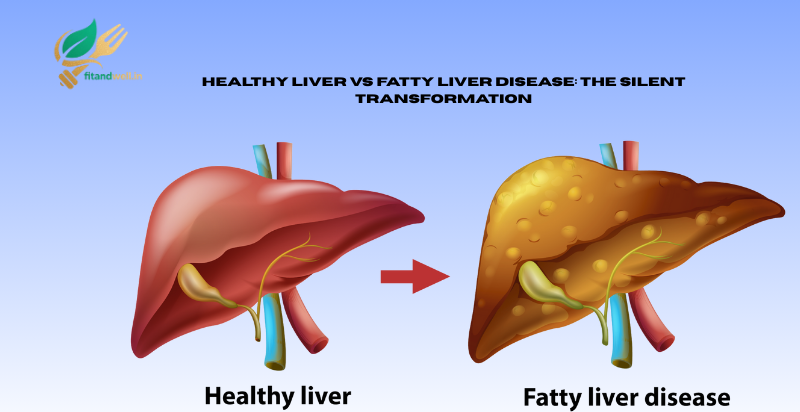
Excess fat buildup in the liver, — fatty liver disease, also known as hepatic steatosis or steatotic liver disease (SLD), is a condition where fat, mainly triglycerides, accumulates inside liver cells. Doctors diagnose fatty liver when fat makes up more than 5–10% of the liver’s weight or when over 30% of liver cells show fat deposits.
This condition often develops silently. Many people show no symptoms at first, but over time, the disease can progress from simple fat storage to inflammation, fibrosis, cirrhosis, and even liver cancer.
Causes of Excess Fat Buildup in the Liver
The liver stores fat naturally, but excess buildup happens when fat inflow exceeds the liver’s ability to process or export it. The main sources include:
- Adipose tissue breakdown (60–80%)
- Dietary fat (15%)
- Liver’s own fat production (5%)
Several factors increase the risk of excess fat buildup in the liver, including fatty liver disease:
- Obesity and overweight
- Type 2 diabetes and insulin resistance
- High cholesterol and triglycerides
- Excess alcohol consumption
- Sedentary lifestyle
- Poor diet rich in refined carbs and sugar
Types of Fatty Liver Disease
Excess fat buildup in the liver, fatty liver disease, is classified into two main categories:
Alcoholic Fatty Liver Disease (AFLD)
- Caused by heavy alcohol use. More than 90% of long-term drinkers develop some level of fatty liver.
Non-Alcoholic Fatty Liver Disease (NAFLD)
- Occurs in individuals who consume little to no alcohol. Closely linked with obesity, diabetes, and metabolic syndrome.
Subtypes of NAFLD:
- Simple Fatty Liver (NAFL): Fat buildup without significant damage.
- Nonalcoholic Steatohepatitis (NASH): Fat plus inflammation and cell injury, which can progress to fibrosis or cirrhosis.
Updated 2023 Medical Terms
The terminology was updated in 2023 to better reflect the causes:
- MASLD (Metabolic dysfunction–associated steatotic liver disease): Replaces NAFLD.
- MASH (Metabolic dysfunction–associated steatohepatitis): Replaces NASH.
- MetALD: Describes cases where metabolic dysfunction combines with moderate alcohol use.
- ALD: Still used for purely alcohol-driven cases.
Symptoms and Diagnosis
In the early stages, excess fat buildup in the liver is often symptomless. When symptoms do appear, they may include:
- Fatigue
- Mild abdominal pain (upper right side)
- Unexplained weight changes
Doctors diagnose the disease through:
- Blood tests (abnormal liver enzymes)
- Ultrasound scans (bright liver appearance)
- Liver biopsy (to check inflammation or scarring)
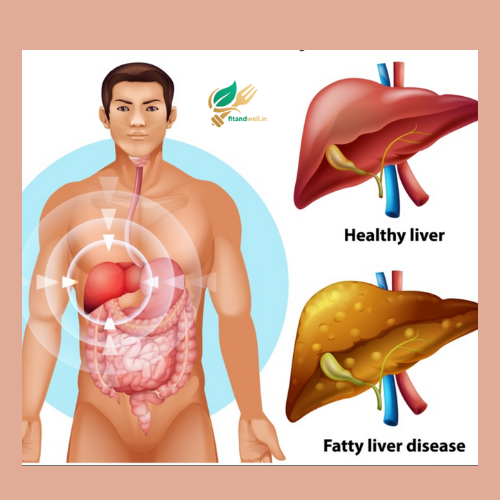
Stages of Disease Progression
Fatty liver disease moves through stages if not treated:
- Steatosis (fat only)
- Steatohepatitis (fat + inflammation)
- Fibrosis (scar tissue)
- Cirrhosis (irreversible scarring)
- Hepatocellular carcinoma (liver cancer)
Treatment and Prevention
There is no single drug cure, but lifestyle changes are highly effective:
- Weight loss: Even 7–10% reduction improves liver health
- Healthy diet: Emphasise whole foods, fibre, lean protein, and avoid excess sugar, alcohol, and fried foods
- Regular exercise: At least 150 minutes per week
- Control of diabetes and cholesterol: Through medication and diet
- Avoid alcohol: Critical in both AFLD and NAFLD
Ayurvedic View
In Ayurveda, excess fat buildup in the liver, also known as fatty liver disease, is associated with Santarpanjanya Vyadhi, or diseases of over-nutrition. It stems from Agni Vikriti (digestive imbalance), causing improper metabolism and uneven fat accumulation in the liver (yakrit).
Final Word on Excess Fat Buildup in the Liver: Fatty Liver Disease
Excess fat buildup in the liver, or fatty liver disease, is more than a silent condition—it can progress into severe liver damage if ignored. Defined by clear clinical thresholds and often discovered accidentally, it represents the first stage of a disease spectrum that includes cirrhosis and liver cancer.
The good news is that with lifestyle changes, weight management, and timely diagnosis, fatty liver is often reversible. Understanding the buildup of excess fat in the liver, known as fatty liver disease, is the first step toward protecting long-term liver health.
For a deeper dive, check out our top 10 scientifically proven weight loss strategies for sustainable results.
FAQs on Excess Fat Buildup in the Liver: Fatty Liver Disease
1. Is fatty liver reversible?
Yes. In its early stages (simple steatosis), fatty liver disease is reversible with lifestyle changes, such as weight loss, a healthy diet, and regular exercise.
2. What are the first signs of fatty liver disease?
Most people have no symptoms. Some may feel fatigue, mild abdominal discomfort, or unexplained weight changes.
3. How serious is fatty liver?
Simple fatty liver is not immediately dangerous. But if it progresses to NASH and fibrosis, it can become life-threatening.
4. What foods help reduce fatty liver?
Whole grains, vegetables, fruits, nuts, olive oil, fatty fish, and lean proteins. Avoid refined carbs, sugar, and alcohol.
5. Can fatty liver cause other diseases?
Yes. It increases the risk of type 2 diabetes, cardiovascular disease, cirrhosis, and liver cancer.
Conclusion: Taking Control Early
Excess fat buildup in the liver, or fatty liver disease, is one of today’s most pressing silent health problems. It begins quietly, often with no symptoms, but can progress into severe complications if ignored.
The definition is clear: when fat exceeds 5–10% of the liver’s weight, the condition becomes fatty liver disease. But the outcome depends on action. With proper weight control, dietary adjustments, regular exercise, and timely medical care, the liver can recover.
Recognising the risks of excess fat buildup in the liver, fatty liver disease is the first step to prevention. The earlier it is addressed, the greater the chance of reversing it and protecting long-term liver health.