

Yoga for Beginners in India offers a wonderful path to better health and peace of mind. This ancient practice started in India thousands of years ago. Today, millions of people across the country practice yoga daily.
Starting your yoga journey in its birthplace gives you special advantages. Also, you can learn from experienced teachers and rich traditions.
Many people feel confused about where to begin their yoga practice. However, this guide will help you take your first steps confidently.
In Yoga for Beginners in India, we will cover everything from basic poses to building daily habits. Thus, you can start your yoga journey without feeling overwhelmed.
Quick Summary and Table of Contents
This guide covers all essential topics for yoga beginners in India. Here are the main sections you will find:
- What is Yoga, and what are its benefits for Indian beginners
- How yoga fits into local Indian lifestyles
- Step-by-step guide to starting your practice
- Essential beginner poses with clear descriptions
- Breathing exercises and mindfulness basics
- Building regular yoga habits at home
- Common questions and answers
What is Yoga? Benefits of Yoga for Beginners in India
Yoga means “union” in Sanskrit. It connects your body, mind, and spirit through movement and breathing. Also, yoga includes physical poses, breathing exercises, and meditation. Therefore, it offers complete wellness for your entire being.
According to the Bhagavad Gita, yoga is described in multiple ways:
- In the Bhagavad Gita Chapter 2, Verse 48, yoga is defined as equanimity of mind:
“Samatvam yoga ucyate” — Equanimity (or equal-mindedness) is called yoga. - In Chapter 2, Verse 50, yoga is described as skillfulness in action:
“Yogaḥ karmasu kauśalam” — Yoga is skillfulness in actions. - Another key definition is from Chapter 6, Verse 23, where yoga is the severance from the contact with sorrow:
“Taṁ vidyād duḥkha-saṁyoga-viyogaṁ yogasaṅjñitam” — One should know the severance of contact with sorrow as what is called yoga.
- Overall, yoga according to Bhagavad Gita is about maintaining balanced equanimity in the mind and skillfulness in one’s actions, along with detachment from sorrow and desires, leading to spiritual freedom.
Though Yoga is a broader Term, we will define and discuss it as per the Hatha Yoga ( Eight Limbs of Yoga), which includes Yama.
- Niyama
- Asana
- Pranayama
- Pratyahara
- Dharana
- Dhyana
- Samadhi
We are discussing Asanas, which is generally thought to be the definition of Yoga
Key Benefits of Yoga for Beginners in India
Yoga offers numerous benefits that align perfectly with Indian lifestyles. First, it helps reduce stress from busy city life. Next, it improves flexibility and strength naturally. Furthermore, yoga costs very little to practice at home.
The main benefits include:
- Better physical health and stamina
- Reduced stress and anxiety levels
- Improved sleep quality and rest
- Enhanced focus and mental clarity
- Stronger immune system function
- Better posture and spine health
- Increased flexibility and balance
- Lower blood pressure and heart rate
Research shows that yoga helps prevent diabetes and heart disease. These conditions affect many Indians today. Therefore, starting yoga early can protect your long-term health.
How Yoga Helps Local Indian Lifestyles
Yoga fits naturally into Indian daily routines and cultural practices. Many Indians already wake up early for prayers or meditation. Thus, adding yoga to morning routines feels comfortable and familiar.
Urban Life Benefits
City life in India creates unique challenges for health and wellness. Traffic, pollution, and long work hours cause stress. However, yoga provides simple solutions for these problems.
For example, office workers in Mumbai practice desk yoga during breaks. Additionally, many IT professionals in Bangalore utilise breathing exercises to manage work-related stress. Therefore, yoga adapts easily to modern Indian lifestyles.
Yoga provides simple solutions for the common health problems caused by modern urban living, such as traffic, pollution, long working hours, and especially prolonged sitting. Discover the health risks associated with prolonged sitting and learn how to mitigate them.
Major Indian cities now have many yoga studios and centres. Delhi has over 500 certified yoga studios. Similarly, Chennai, Kolkata, and Pune offer numerous options for beginners.
Popular studio chains include:
- The Yoga Institute (established 1918)
- Isha Yoga Centres across India
- Art of Living Foundation centres
- Bihar School of Yoga branches
- Local community centres and gyms
Cultural Events and Festivals
India celebrates International Yoga Day on June 21st every year. The Indian government chose this date because it is the summer solstice and the longest day in the Northern Hemisphere. Also, this date holds special significance in yoga traditions. The United Nations declared June 21st as International Yoga Day in 2014 after India’s proposal. Therefore, this global recognition shows yoga’s worldwide acceptance and benefits.
This government initiative encourages millions to practice yoga together annually. Also, many cities organise free yoga sessions in parks and public spaces. Furthermore, schools, offices, and communities participate in mass yoga demonstrations.
Combine yoga with healthy eating for the best results. Explore our guide on effective yoga sequences for healthy weight loss.
How to Start Yoga as a Beginner in India: Step-by-Step Guide
Starting Yoga for Beginners in India requires simple planning and preparation. Follow these steps to begin safely and effectively.
Step 1: Choose Your Learning Method
First, decide how you want to learn yoga. You have several good options in India:
- Join a local yoga centre
- Learn from certified online Indian teachers
- Practice with family members who know yoga
- Follow government-sponsored community programs
- Use yoga apps created by Indian experts
Step 2: Gather Basic Equipment
Yoga requires minimal equipment to start practising. You only need a few simple items:
- Yoga mat (available for Rs. 500-2000)
- Comfortable loose clothing
- Water bottle for hydration
- Small towel for sweat
- Quiet space at home
Step 3: Set Your Practice Schedule
Consistency matters more than duration for beginners. Start with short sessions and gradually increase time:
- Week 1-2: 15 minutes daily
- Week 3-4: 20 minutes daily
- Week 5-8: 30 minutes daily
- After 2 months: 45-60 minutes daily
Step 4: Learn Basic Safety Rules
Safety comes first when practising yoga. Follow these important guidelines:
- Never force your body into painful positions
- Breathe naturally throughout all poses
- Stop immediately if you feel sharp pain
- Warm up before attempting challenging poses
- Cool down properly after each session
Essential Beginner Asanas with Descriptions
These fundamental poses form the foundation of yoga practice. Master these first before moving to advanced positions.
Mountain Pose (Tadasana)
This basic standing pose teaches proper alignment and balance. Start every yoga session with Mountain Pose.
How to do it:
- Stand with feet hip-width apart
- Keep your arms at your sides naturally
- Engage your leg muscles gently
- Lift your chest and lengthen your spine
- Breathe deeply for 30-60 seconds
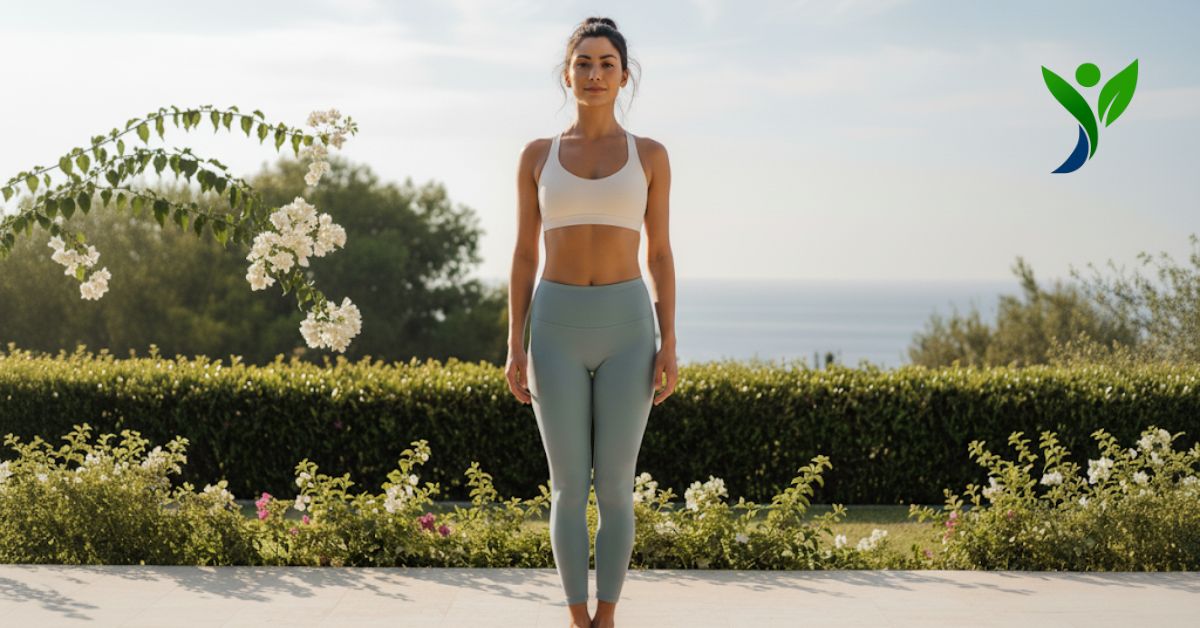
Practicing Tadasana (Mountain Pose) in a peaceful garden setting, ideal for yoga and mindfulness routines.
Child’s Pose (Balasana)
Child’s Pose provides rest and gentle stretching. Use it whenever you need a break during practice.
How to do it:
- Kneel on your mat with big toes touching
- Sit back on your heels comfortably
- Fold forward and rest your forehead on the mat
- Extend arms forward or rest them alongside your body
- Hold for 1-3 minutes while breathing slowly
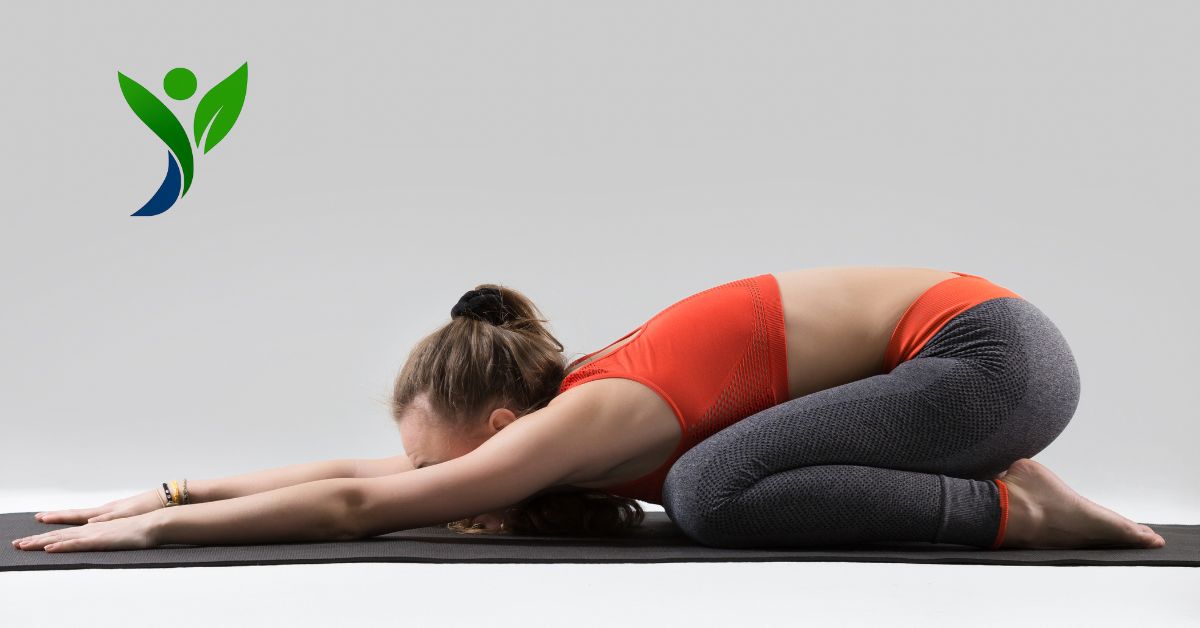
Child’s Pose (Balasana) yoga practice, promoting relaxation and gentle stretching.
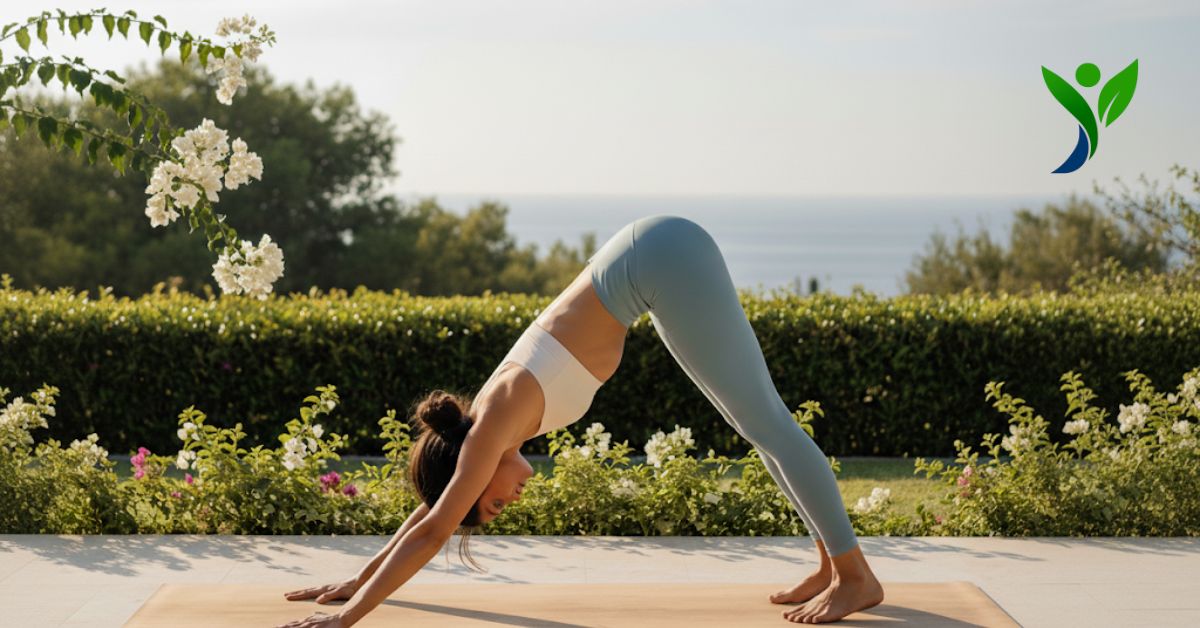
Downward-Facing Dog (Adho Mukha Svanasana)
This pose strengthens arms and stretches the entire back body. It appears in most yoga sequences.
How to do it:
- Start on hands and knees
- Tuck your toes under and lift your hips up
- Straighten your legs gradually
- Press your hands firmly into the mat
- Hold for 30-60 seconds
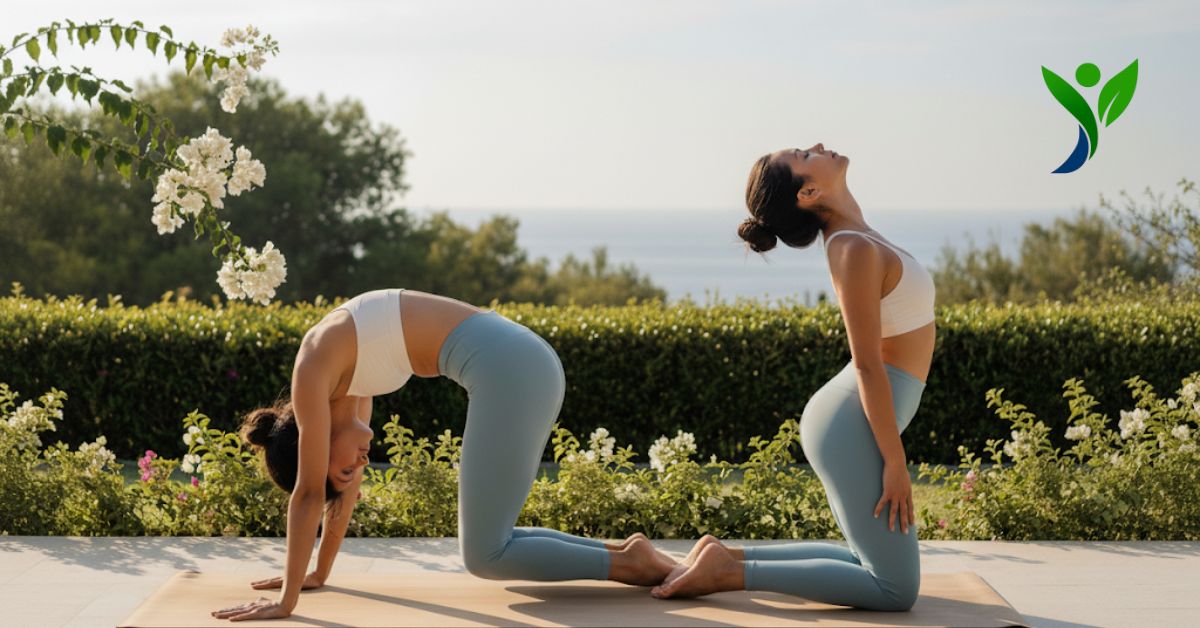
Cat-Cow Pose (Marjaryasana-Bitilasana)
This gentle, flowing movement warms up the spine. It also improves spinal flexibility and coordination.
How to do it:
- Begin on hands and knees
- Inhale and arch your back (Cow)
- Exhale and round your spine (Cat)
- Move slowly between positions
- Repeat 5-10 times with your breath
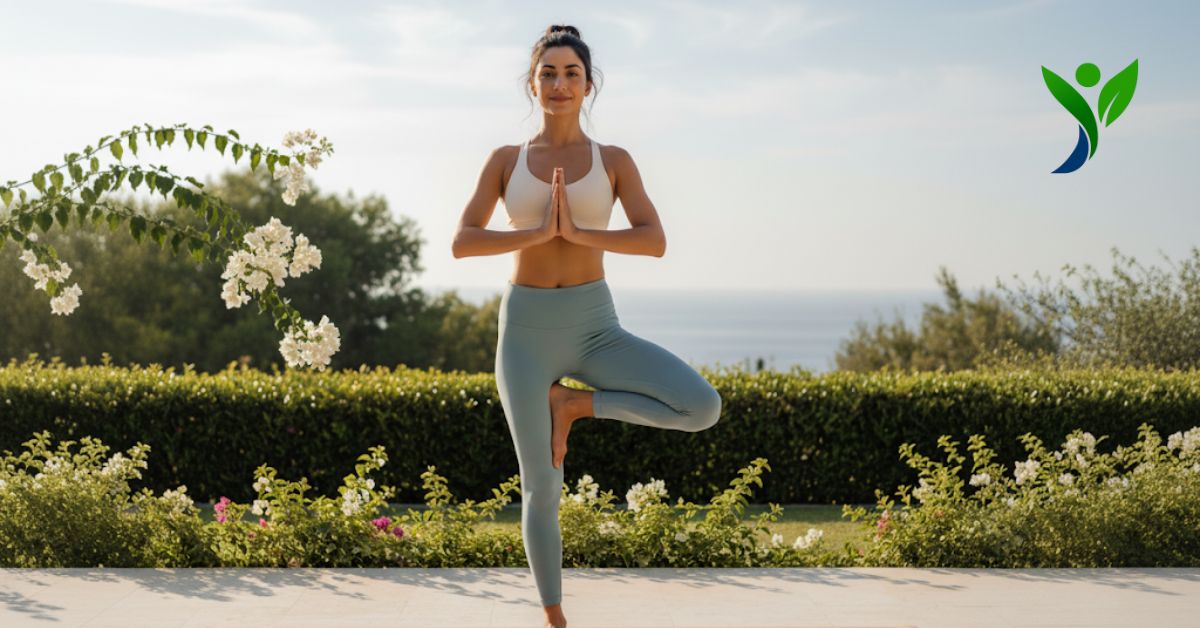
Tree Pose (Vrikshasana)
Tree Pose improves balance and concentration. It also strengthens standing leg muscles.
How to do it:
- Stand in Mountain Pose first
- Shift weight to your left foot
- Place the right foot on the left inner thigh
- Press foot into leg and leg into foot
- Hold for 30 seconds, then switch sides
For beginners seeking authentic guidance and knowledge on yoga practices, the Ministry of AYUSH offers comprehensive resources and initiatives designed to make yoga accessible to all. You can explore their programs, find certified instructors, and learn about government-sponsored yoga sessions by visiting the Ministry of AYUSH official website.
Transition Tips, and Common Mistakes to Avoid
Smooth transitions between poses make your practice flow naturally. However, beginners often rush or skip important details.
Transition Guidelines
Moving safely between poses prevents injury and improves focus. Follow these tips for better transitions:
- Move slowly and mindfully between positions
- Use your breath to guide movement timing
- Engage core muscles for stability during changes
- Rest in Child’s Pose when you need a break
- Never jump or bounce into new positions
Common Beginner Mistakes
Avoiding these mistakes will make your practice safer and more effective:
Holding Your Breath
Many beginners hold their breath during challenging poses. However, continuous breathing provides energy and helps you relax. Therefore, focus on steady, natural breathing throughout your practice.
Comparing Yourself to Others
Each person’s body is different and unique. Also, flexibility and strength develop at different rates. Thus, focus only on your own progress and improvement.
Pushing Too Hard
Yoga should never cause pain or injury. If a pose hurts, back off immediately. Furthermore, gentle, consistent practice works better than forcing difficult positions.
Skipping Warm-up
Cold muscles are more likely to get injured. Always start with gentle movements and basic poses. Next, gradually work up to more challenging positions.
Breathing Exercises and Mindfulness Basics for Indian Beginners
Breathing forms the heart of all yoga practice. These simple exercises will improve your physical and mental health.
Three-Part Breathing (Dirga Pranayama)
This fundamental breathing technique calms the nervous system naturally. It also improves lung capacity and oxygen flow.
How to practice:
- Lie down comfortably on your back
- Place one hand on the chest, one on the belly
- Breathe into your belly first
- Then fill your ribs and chest
- Exhale slowly in reverse order
- Practice for 5-10 minutes daily
Alternate Nostril Breathing (Nadi Shodhana)
This balancing breath technique helps reduce stress and improve focus. Many Indian families teach this to their children early.
How to Practice Yoga for Beginners in India
- Sit comfortably with your spine straight
- Use the right thumb to close the right nostril
- Inhale through the left nostril slowly
- Close the left nostril with the ring finger
- Release thumb and exhale right
- Continue alternating for 5-10 rounds
Mindfulness Practice for Beginners
Mindfulness means paying attention to the present moment. You can practice it anywhere and at any time during your day.
Start with these simple exercises:
- Notice five things you can see around you
- Listen to four different sounds nearby
- Feel three different textures or temperatures
- Identify two scents in your environment
- Taste one thing mindfully and completely
Building a Regular Yoga Habit in Indian Homes and Communities
Creating lasting habits requires planning and community support. Indian culture naturally supports group activities and family wellness.
Home Practice Setup
Most Indians practice yoga at home due to convenience and cost. Set up a dedicated space for your daily practice:
Choose the Right Location:
- Find a quiet corner with enough space
- Ensure good ventilation and natural light
- Keep the area clean and clutter-free
- Face east or north for traditional benefits
Create a Morning Routine:
-
Wake up 30 minutes earlier than usual
- Drink water but avoid a heavy breakfast first
- Practice before other family members wake up
- Keep yoga clothes ready the night before
Family and Community Support
Indian families often practice yoga together successfully. This creates accountability and shared motivation.
Family Practice Ideas:
- Teach simple poses to children and parents
- Practice breathing exercises together after dinner
- Share yoga goals and celebrate progress together
- Attend community yoga events as a family
Community Resources:
- Join local yoga groups in your neighbourhood
- Participate in park yoga sessions
- Connect with friends who practice yoga
- Attend free government yoga programs
Seasonal Adjustments
India’s climate affects yoga practice throughout the year. Adapt your routine to stay consistent:
Summer Practice (April-June):
- Practice early mornings before 7 AM
- Focus on cooling poses and breathing
- Stay hydrated with plenty of water
- Use fans or practice in air-conditioned rooms
Monsoon Practice (July-September):
- Practice indoors to stay dry
- Focus on strength-building poses
- Use yoga videos when going out is difficult
- Maintain consistency despite weather changes
Winter Practice (October-March):
- Practice sun salutations to build heat
- Hold poses longer for warmth
- Practice anytime during pleasant days
- Focus on flexibility as muscles stay warm
Common FAQs for Yoga for Beginners in India
These frequently asked questions address concerns that most beginners have when starting yoga.
Q: Can I start yoga at any age?
Yes, you can start yoga at any age safely. However, older beginners should start more gently. Also, people with health conditions should consult doctors first. Many Indians successfully start practising yoga in their 40s, 50s, or even 60s.
Q: How much does yoga cost in India?
Yoga can be very affordable in India. Home practice costs almost nothing after buying a basic mat. Additionally, group classes typically cost between Rs. 1000 and Rs. 3000 per month. Furthermore, many community centres offer free classes regularly.
Q: Do I need to be flexible to start yoga?
No, you don’t need flexibility to start yoga. Flexibility comes gradually through regular practice. Also, yoga helps you become more flexible over time. Therefore, stiffness is actually a good reason to start yoga.
Q: Can yoga help with weight loss?
Yes, yoga can support healthy weight loss effectively. Active yoga styles burn calories and build muscle. Also, yoga reduces stress eating and improves sleep quality. However, combine yoga with healthy eating for the best results.
Q: Is yoga safe during pregnancy?
Prenatal yoga is generally safe with proper guidance. However, pregnant women should avoid certain poses and breathing techniques. Therefore, join specialised pregnancy yoga classes or consult certified teachers.
Q: How long before I see results?
Most people notice benefits within 2-4 weeks of regular practice. Physical changes like flexibility take 2-3 months to develop. Also, mental benefits like reduced stress happen much faster. Thus, consistency matters more than intensity for beginners.
Q: Can yoga replace other forms of exercise?
Yoga provides excellent overall fitness benefits. However, it may not provide enough cardiovascular exercise for some people. Therefore, many Indians combine yoga with activities such as walking, swimming, or sports.