

Key Takeaways from this article
- Constipation relief requires a multi-faceted approach combining dietary changes, hydration, exercise, and lifestyle modifications.
- Consuming 25-35 grams of fibre daily and drinking 8-10 glasses of water can significantly improve bowel regularity.
- Physical activity stimulates intestinal contractions and promotes natural digestive health.
- Most constipation cases resolve within 1-2 weeks with natural remedies, but persistent symptoms require medical evaluation.
- Probiotics, magnesium supplements, and establishing bathroom routines provide effective long-term solutions.
Understanding Constipation: Definition, Prevalence, and Impact on Health
Constipation relief is a primary concern for millions of people worldwide seeking improved digestive health and overall wellness. Constipation, medically defined as having fewer than three bowel movements per week, affects approximately 16% of adults globally and up to 33% of adults over age 60, according to the National Institute of Diabetes and Digestive and Kidney Diseases (NIDDK).
This common digestive health condition occurs when stool moves too slowly through the digestive tract, becoming hard, dry, and difficult to pass. Beyond physical discomfort, chronic constipation significantly impacts quality of life, contributing to abdominal pain, bloating, decreased productivity, and psychological stress.
Global Impact: Research published in the American Journal of Gastroenterology indicates that constipation accounts for approximately 2.5 million physician visits annually in the United States alone, with healthcare costs exceeding $235 million per year.
Understanding the underlying mechanisms, causes, and evidence-based treatment strategies for constipation relief empowers individuals to take control of their digestive wellness. This comprehensive guide explores scientifically validated approaches to managing and preventing constipation, from dietary interventions to medical treatments, offering practical solutions for lasting relief.
What Causes Constipation? Medical and Lifestyle Factors Explained
Effective constipation relief begins with understanding the diverse factors that contribute to this condition. The causes of constipation are multifactorial, involving dietary habits, lifestyle choices, medications, and underlying medical conditions.
Dietary Causes of Constipation
Insufficient fibre intake represents the most common dietary cause of constipation. The Academy of Nutrition and Dietetics emphasises that modern Western diets typically contain only 10-15 grams of fibre daily, significantly below the recommended 25-38 grams. Low-fibre diets reduce stool bulk and slow intestinal transit time.
- Inadequate fluid consumption: Dehydration causes the colon to absorb more water from stool, making it harder to pass
- Excessive dairy products: High consumption of cheese, milk, and ice cream can trigger constipation in some individuals
- Processed foods: Diets high in refined carbohydrates, fast food, and low in whole foods contribute to sluggish digestion
- Low-calorie intake: Restrictive dieting reduces the volume of food passing through the intestines
Lifestyle and Behavioral Factors
Modern lifestyle habits significantly impact bowel regularity and overall gut health. According to research from the Mayo Clinic, the following factors commonly contribute to constipation:
- Sedentary behavior: Lack of physical activity slows intestinal motility and reduces natural peristaltic contractions
- Ignoring the urge: Consistently suppressing bowel movements disrupts natural reflexes and worsens constipation
- Travel and routine changes: Disruptions to regular schedules affect bowel patterns
- Chronic stress: The gut-brain axis means psychological stress directly impacts digestive function
- Sleep disruption: Irregular sleep patterns interfere with circadian rhythm regulation of digestive processes
Medications That Cause Constipation
According to the U.S. Food and Drug Administration (FDA), numerous commonly prescribed medications list constipation as a side effect:
- Opioid pain medications: Narcotics significantly slow bowel motility
- Antidepressants: Particularly tricyclic antidepressants and some SSRIs
- Antacids containing calcium or aluminium: Common over-the-counter products
- Iron supplements: Frequently cause constipation, especially at higher doses
- Blood pressure medications: Calcium channel blockers and diuretics
- Antihistamines: Anticholinergic properties slow intestinal contractions
Medical Conditions Associated with Constipation
Several underlying health conditions can cause or contribute to chronic constipation, requiring medical evaluation and targeted treatment:
Expert Insight: “Chronic constipation lasting over three weeks may indicate underlying gastrointestinal disorders such as irritable bowel syndrome (IBS), inflammatory bowel disease, or structural abnormalities requiring specialised evaluation,” states Dr Michael Camilleri, gastroenterologist at Mayo Clinic.
- Irritable Bowel Syndrome (IBS-C): Constipation-predominant IBS affects 10-15% of the global population
- Hypothyroidism: Underactive thyroid slows metabolic processes, including digestion
- Diabetes: Nerve damage from diabetes affects intestinal nerve function
- Neurological disorders: Parkinson’s disease, multiple sclerosis, and spinal cord injuries
- Pelvic floor dysfunction: Weakened or uncoordinated pelvic muscles impair bowel evacuation
Dietary Interventions for Constipation Relief: Evidence-Based Nutritional Strategies
Nutrition plays a fundamental role in achieving effective constipation relief and maintaining optimal digestive health. Research consistently demonstrates that dietary modifications represent first-line treatment for functional constipation.
Increase Fibre Intake: The Foundation of Bowel Regularity
Dietary fibre, the indigestible portion of plant foods, forms the cornerstone of constipation relief. The Harvard T.H. Chan School of Public Health emphasises that adequate fibre intake increases stool bulk, softens consistency, and accelerates transit time through the colon.
Two types of fibre work synergistically to promote bowel regularity:
- Soluble fibre: Dissolves in water, forming a gel-like substance that softens stool. Found in oats, beans, apples, citrus fruits, and psyllium.
- Insoluble fibre: Adds bulk to stool and speeds passage through the digestive tract. Present in whole grains, vegetables, wheat bran, and nuts.
Research Evidence: A systematic review in the American Journal of Gastroenterology found that increasing fibre intake by 12-15 grams daily improved stool frequency by 1.4 bowel movements per week and enhanced stool consistency in 77% of participants.
Top High-Fibre Foods for Constipation Relief
| Food Item | Serving Size | Fiber Content | Fiber Type |
| Prunes (dried plums) | 1/2 cup | 6 grams | Soluble + Sorbitol |
| Chia seeds | 2 tablespoons | 10 grams | Soluble |
| Lentils (cooked) | 1 cup | 15.6 grams | Both types |
| Black beans | 1 cup | 15 grams | Both types |
| Raspberries | 1 cup | 8 grams | Insoluble |
| Avocado | 1 medium | 13 grams | Both types |
| Oatmeal (cooked) | 1 cup | 4 grams | Soluble |
| Whole wheat bread | 2 slices | 6 grams | Insoluble |
Optimal Hydration for Digestive Health
Adequate water consumption works synergistically with fibre to facilitate constipation relief. The NIDDK recommends drinking 8-10 glasses (64-80 ounces) of water daily, with increased amounts during exercise or hot weather.
Water softens stool by being absorbed into the fibre matrix, making bowel movements easier and more comfortable. Research shows that individuals who increase their water intake to 2 litres daily, while maintaining high fibre consumption, experience a 50% greater improvement in constipation symptoms compared to fibre alone.
Probiotic-Rich Foods and Gut Microbiome Health
Emerging research highlights the critical role of gut health and intestinal microbiota in bowel regularity. According to studies published in Nature Reviews Gastroenterology & Hepatology, specific probiotic strains improve stool consistency, frequency, and transit time.
Beneficial probiotic foods include:
- Yoghurt with live cultures: Lactobacillus and Bifidobacterium strains
- Kefir: Fermented milk beverage containing diverse probiotic species
- Sauerkraut: Fermented cabbage rich in Lactobacillus plantarum
- Kimchi: Korean fermented vegetables with multiple probiotic strains
- Miso: Fermented soybean paste supporting digestive health
Foods to Limit or Avoid
While focusing on constipation-relieving foods, certain items can worsen symptoms and should be consumed in moderation:
- Processed foods: High in refined carbohydrates and low in fibre
- Red meat: Takes longer to digest and contains minimal fibre
- Fried and high-fat foods: Slow digestive transit
- Unripe bananas: High in resistant starch that can worsen constipation
- Excessive caffeine and alcohol: Dehydrating effects counteract constipation relief efforts
Exercise and Physical Activity for Natural Constipation Relief
Regular physical activity represents a powerful, evidence-based strategy for constipation relief that complements dietary interventions. The American College of Sports Medicine emphasises that exercise stimulates intestinal contractions, reduces transit time, and promotes overall digestive health.
How Exercise Improves Bowel Function
Physical activity facilitates bowel movements through multiple physiological mechanisms:
- Enhanced peristalsis: Exercise stimulates rhythmic intestinal muscle contractions that propel stool forward
- Improved blood circulation: Increased blood flow to digestive organs optimises function
- Reduced stress hormones: Physical activity lowers cortisol levels, which can impair digestion
- Core muscle engagement: Strengthening abdominal muscles supports bowel evacuation
Clinical Evidence: Research in the Medicine & Science in Sports & Exercise journal demonstrated that individuals engaging in 150 minutes of moderate exercise weekly experienced 30-40% improvement in constipation symptoms compared to sedentary controls.
Best Exercises for Constipation Relief
Aerobic Activities: Cardiovascular exercises increase heart rate and stimulate intestinal motility
- Brisk walking: 30 minutes daily, easily incorporated into daily routines
- Jogging or running: Higher impact increases intestinal stimulation
- Cycling: Low-impact option suitable for all fitness levels
- Swimming: Full-body workout with digestive benefits
Yoga Poses for Digestive Health: Specific postures massage abdominal organs and facilitate bowel movements
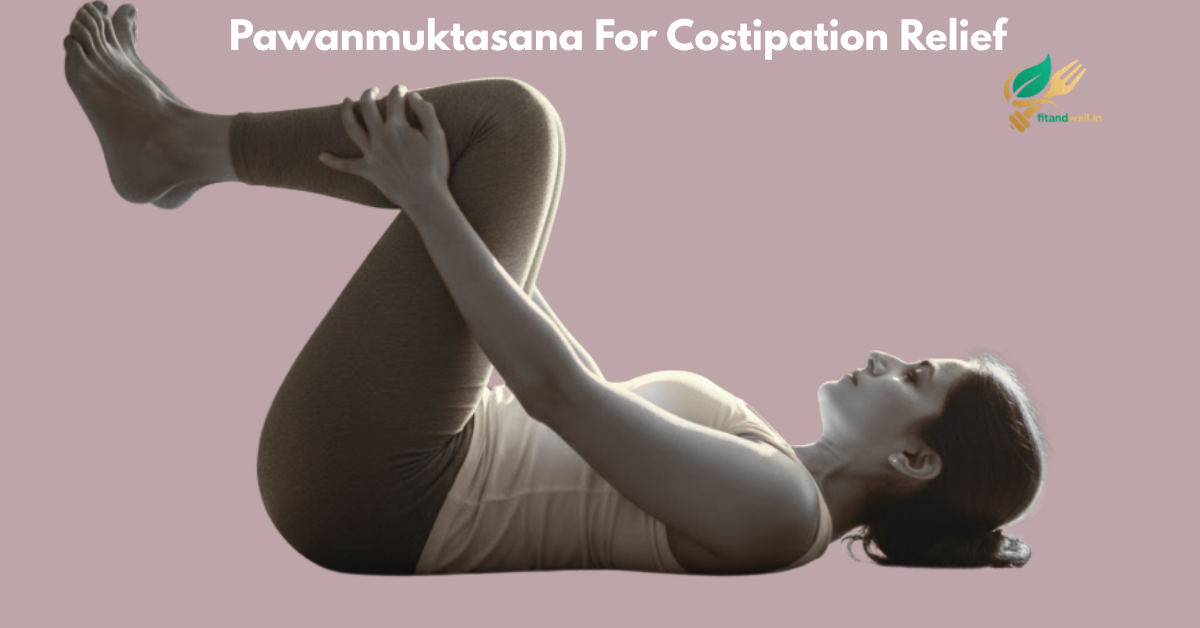
- Pawanmuktasana (Wind-Relieving Pose): Compresses the abdomen, releasing gas and promoting movement
- Malasana (Garland Pose/Deep Squat): Opens pelvis and naturally encourages elimination
- Supine Twist: Stimulates digestive organs through gentle compression
- Cat-Cow Pose: Massages abdominal organs and improves flexibility
For comprehensive guidance on incorporating yoga practices into your wellness routine, explore FitWell’s beginner resources.
Creating an Exercise Routine for Bowel Health
Consistency delivers optimal results for constipation relief. The Centers for Disease Control and Prevention (CDC) recommends:
- Frequency: Minimum 5 days per week of moderate activity
- Duration: 30-60 minutes per session
- Intensity: Moderate pace where conversation is possible but challenging
- Timing: Morning exercise may stimulate morning bowel movements, aligning with natural circadian rhythms
Natural Remedies and Home Treatments for Constipation
Complementary and alternative approaches offer effective, science-supported options for constipation relief without pharmaceutical intervention. These natural remedies work synergistically with dietary and lifestyle modifications.
Herbal Teas and Natural Laxatives
Certain botanical compounds possess gentle laxative properties that promote bowel movements:
- Senna tea: Contains sennosides that stimulate colon contractions; FDA-approved for short-term use
- Peppermint tea: Relaxes digestive muscles and reduces intestinal spasms
- Ginger tea: Stimulates the digestive system and accelerates gastric emptying
- Dandelion tea: Mild laxative effect supporting liver and digestive function
⚠️ Important Safety Note: Stimulant laxatives like senna should not be used long-term (beyond 1-2 weeks) as they can cause dependence and worsen constipation. Consult healthcare providers before starting herbal remedies, especially if taking medications.
Magnesium Supplementation
Magnesium acts as an osmotic laxative, drawing water into the intestines to soften stool. According to research from the National Institutes of Health (NIH), magnesium citrate and magnesium oxide demonstrate particular effectiveness for constipation relief.
Recommended dosage: 300-500 mg daily, preferably in divided doses. Start with lower amounts and increase gradually to minimise side effects like diarrhoea.
Castor Oil and Olive Oil
Food-grade oils provide lubrication and stimulate intestinal contractions:
- Castor oil: 1-2 tablespoons on an empty stomach; typically produces bowel movement within 6-12 hours
- Olive oil: 1 tablespoon in the morning with lemon juice; gentler alternative with additional health benefits
Abdominal Massage Techniques
Manual abdominal massage stimulates peristalsis and provides immediate constipation relief. Research in the Journal of Physical Therapy Science shows regular massage improves bowel frequency and reduces straining.
Technique:
- Lie on your back with your your knees bent
- Use a flat palm to apply gentle pressure
- Massage in a clockwise circular motion following the colon pathway
- Continue for 10-15 minutes, focusing on the lower left abdomen
- Repeat 2-3 times daily for best results
Warm Water and Lemon
Starting the day with warm water and fresh lemon juice stimulates digestive enzymes and promotes morning bowel movements. This simple remedy combines hydration with vitamin C and citric acid, which support digestive health.
Preparation: Mix the juice of half a lemon in 8-12 ounces of warm (not hot) water. Drink on an empty stomach 15-30 minutes before breakfast.
Medical Treatments and Over-the-Counter Solutions
When dietary modifications and natural remedies prove insufficient, medical interventions provide effective constipation relief. Understanding the available treatment options empowers informed decision-making in consultation with healthcare providers.
Types of Laxatives: Mechanisms and Appropriate Use
The FDA categorises laxatives based on their mechanism of action. Each type serves specific purposes and carries distinct benefits and risks:
1. Bulk-Forming Laxatives (First-Line Treatment)
Mechanism: Absorb water to increase stool bulk and stimulate natural bowel contractions
- Examples: Psyllium (Metamucil), methylcellulose (Citrucel), calcium polycarbophil (FiberCon)
- Onset: 12-72 hours
- Safety: Safest for long-term use; mimics natural fiber
- Caution: Requires adequate water intake (8 oz per dose) to prevent intestinal obstruction
2. Osmotic Laxatives
Mechanism: Draw water into the colon to soften stool and increase bowel movement frequency
- Examples: Polyethylene glycol 3350 (MiraLAX), lactulose, magnesium hydroxide (Milk of Magnesia)
- Onset: 30 minutes to 3 hours (magnesium); 6-48 hours (PEG 3350)
- Safety: Generally safe for extended use under medical supervision
- Consideration: May cause electrolyte imbalance with prolonged use
Gastroenterologist Perspective: “Polyethylene glycol represents the gold standard for chronic constipation management due to its efficacy, safety profile, and lack of tolerance development,” notes Dr. Satish Rao, Director of Neurogastroenterology at Augusta University Medical Center.
3. Stool Softeners (Emollients)
Mechanism: Allow water and fats to penetrate stool, making it softer and easier to pass
- Examples: Docusate sodium (Colace), docusate calcium (Surfak)
- Onset: 12-72 hours
- Best for: Preventing constipation post-surgery, during pregnancy, or when straining is dangerous
- Limitation: Less effective for treating existing constipation than other types
4. Stimulant Laxatives
Mechanism: Directly stimulate intestinal nerve endings to increase muscle contractions
- Examples: Bisacodyl (Dulcolax), senna (Senokot), castor oil
- Onset: 6-12 hours (oral); 15-60 minutes (suppository)
- Appropriate use: Short-term relief only (less than 1 week)
- Risks: Can cause dependence, electrolyte imbalances, and worsen constipation with chronic use
5. Lubricant Laxatives
Mechanism: Coat stool and intestinal lining to ease passage
- Examples: Mineral oil
- Onset: 6-8 hours
- Safety concern: May interfere with absorption of fat-soluble vitamins (A, D, E, K)
Prescription Medications for Chronic Constipation
For individuals with chronic functional constipation or constipation-predominant IBS unresponsive to over-the-counter treatments, prescription medications offer advanced solutions:
- Lubiprostone (Amitiza): Chloride channel activator increasing intestinal fluid secretion
- Linaclotide (Linzess): Guanylate cyclase-C agonist accelerating transit and reducing pain
- Plecanatide (Trulance): Similar mechanism to linaclotide with once-daily dosing
- Prucalopride (Motegrity): Serotonin receptor agonist stimulating colonic motility
According to clinical trials published in The New England Journal of Medicine, these medications demonstrate 40-60% improvement rates in chronic constipation patients who failed conventional therapies.
When to Consult a Healthcare Provider
🏥 Seek Medical Attention If You Experience:
- Constipation lasting more than 3 weeks despite home treatment
- Severe abdominal pain or cramping
- Blood in the stool or rectal bleeding
- Unexplained weight loss
- Alternating constipation and diarrhoea
- Thin, pencil-like stools (may indicate obstruction)
- Inability to pass gas
- Fever accompanying constipation
- Constipation following a new medication
Preventive Lifestyle Modifications for Long-Term Bowel Health
Sustainable constipation relief requires comprehensive lifestyle changes that support optimal digestive health. Prevention strategies prove more effective than reactive treatment for maintaining bowel regularity.
Establish a Consistent Bathroom Routine
The human body thrives on routine, particularly regarding digestive processes. The International Foundation for Gastrointestinal Disorders (IFFGD) recommends establishing predictable bathroom habits:
- Schedule regular toilet time: Attempt bowel movements at the same time daily, preferably 15-30 minutes after breakfast
- Utilize the gastrocolic reflex: Eating stimulates colon contractions, making post-meal timing optimal
- Don’t ignore urges: Respond promptly to evacuation signals to prevent stool hardening
- Allow adequate time: Avoid rushing; relaxation facilitates easier bowel movements
- Proper positioning: Elevating feet 6-9 inches (using a stool) straightens the anorectal angle for more straightforward elimination
Stress Management and Mind-Gut Connection
The bidirectional gut-brain axis means psychological stress directly impacts intestinal function. Research from American Psychological Association demonstrates that chronic stress reduces digestive motility and exacerbates constipation.
Stress-reduction techniques for digestive health:
- Mindfulness meditation: 10-20 minutes daily reduces stress hormones affecting digestion
- Deep breathing exercises: Activates the parasympathetic nervous system, supporting rest-and-digest functions
- Progressive muscle relaxation: Releases physical tension that may impair bowel function
- Adequate sleep: 7-9 hours nightly supports circadian regulation of digestive processes
For comprehensive wellness strategies, explore FitWell’s stress management resources designed to support holistic health.
Optimise Sleep Quality for Digestive Function
Emerging research in sleep science reveals strong connections between sleep quality and bowel regularity. Circadian rhythm disruption affects digestive hormone secretion and intestinal motility.
Sleep hygiene practices supporting digestive health:
- Maintain a consistent sleep-wake schedule, including weekends
- Create a dark, calm sleeping environment (60-67°F optimal)
- Avoid large meals 2-3 hours before bedtime
- Limit screen time 1 hour before sleep (blue light disrupts melatonin)
- Consider evening herbal teas (chamomile, valerian root) for relaxation
Limit constipation-causing substances
Certain substances interfere with normal bowel function and should be consumed mindfully:
- Alcohol: Dehydrates the body and slows intestinal motility; limit to 1-2 drinks maximum
- Caffeine: While small amounts may stimulate bowel movements, excessive consumption causes dehydration
- Tobacco: Nicotine initially stimulates but chronically impairs digestive function
- Processed foods: Replace with whole, fibre-rich alternatives whenever possible
Special Considerations: Constipation Across Different Life Stages
Constipation manifests differently and requires tailored approaches across various demographics and life situations.
Constipation During Pregnancy
Up to 40% of pregnant women experience constipation due to hormonal changes, iron supplementation, and uterine pressure on the intestines. The American College of Obstetricians and Gynecologists (ACOG) recommends:
- Increase fibre gradually to 25-30 grams daily
- Drink 10-12 glasses of water daily
- Engage in prenatal-approved exercise (walking, swimming, yoga)
- Try prune juice or dried prunes for natural relief
- Consider magnesium supplements after consulting a healthcare provider
- Avoid stimulant laxatives; prefer bulk-forming or osmotic types if needed
Constipation in Older Adults
Constipation affects 33-50% of adults over 65 due to reduced mobility, multiple medications, decreased fluid intake, and age-related changes in intestinal function. Strategies include:
- Medication review with a healthcare provider to identify constipation-causing drugs
- Gentle exercise appropriate for mobility level (chair exercises, assisted walking)
- Timed fluid intake throughout day to ensure adequate hydration
- Easily digestible high-fibre foods (cooked vegetables, oatmeal, soft fruits)
- Regular toilet schedule aligned with natural urges
Pediatric Constipation
Childhood constipation requires age-appropriate interventions. The American Academy of Paediatrics emphasises behavioural approaches combined with dietary modifications.
Comparative Analysis: Constipation Relief Methods
| Treatment Method | Effectiveness | Time to Relief | Long-term Safety | Cost |
|---|---|---|---|---|
| Increased Fiber Intake | High (70-80%) | 2-3 days | Excellent | Low |
| Hydration Increase | Moderate (50-60%) | 1-2 days | Excellent | Very Low |
| Regular Exercise | Moderate-High (60-70%) | 3-7 days | Excellent | Low-Free |
| Probiotics | Moderate (55-65%) | 1-4 weeks | Excellent | Moderate |
| Bulk-forming Laxatives | High (75-85%) | 12-72 hours | Excellent | Low |
| Osmotic Laxatives | Very High (85-90%) | 6-48 hours | Good | Low-Moderate |
| Stimulant Laxatives | Very High (90-95%) | 6-12 hours | Poor (short-term only) | Low |
| Prescription Medications | High (70-80%) | 1-2 weeks | Good | High |
Probiotics and Gut Microbiome Optimisation
The intestinal microbiome—comprising trillions of bacteria, fungi, and other microorganisms—plays a crucial role in digestive function and constipation relief. Research published in Nature Microbiome demonstrates that gut dysbiosis (microbial imbalance) contributes significantly to chronic constipation.
Evidence-Based Probiotic Strains for Constipation
Not all probiotics provide equal benefits for bowel regularity. The World Gastroenterology Organisation identifies specific strains with proven efficacy:
- Bifidobacterium lactis: Increases bowel movement frequency and improves stool consistency
- Lactobacillus casei Shirota: Reduces transit time and enhances bowel regularity
- Bifidobacterium longum: Supports intestinal motility and reduces bloating
- Lactobacillus plantarum: Improves IBS-related constipation symptoms
- Streptococcus thermophilus: Enhances lactose digestion and stool frequency
📊 Meta-Analysis Results: A comprehensive review in the Gut journal analysing 14 randomised controlled trials found that probiotic supplementation increased bowel movement frequency by an average of 1.5 movements per week and improved stool consistency scores by 23%.
Prebiotic Foods Supporting Probiotic Function
Prebiotics—non-digestible fibres that feed beneficial gut bacteria—work synergistically with probiotics for optimal gut health:
- Inulin-rich foods: Chicory root, Jerusalem artichokes, garlic, onions, leeks
- Resistant starch: Cooked and cooled potatoes, green bananas, oats
- Pectin sources: Apples, citrus fruits, carrots
- Beta-glucan: Oats, barley, mushrooms
Understanding the Gastrocolic Reflex and Optimising Timing
The gastrocolic reflex—a physiological response where eating triggers colon contractions—represents the body’s natural mechanism for promoting bowel movements. Understanding and leveraging this reflex enhances constipation relief efforts.
According to gastroenterology research from Johns Hopkins Medicine, the gastrocolic reflex is strongest:
- Within 30 minutes after eating, particularly after breakfast
- Following meals containing fat, which most strongly trigger the reflex
- In the morning hours when colon activity naturally peaks
Practical application: Schedule toilet time 15-30 minutes after breakfast, when both the gastrocolic reflex and the circadian rhythm support bowel movements. Avoid suppressing urges during this optimal window.
Integrative and Complementary Approaches
Acupuncture for Constipation
Traditional Chinese medicine offers acupuncture as a complementary treatment for chronic constipation. Research in the Journal of Traditional Chinese Medicine demonstrates that electroacupuncture significantly improves spontaneous bowel movements.
Key acupressure points include ST36 (Zusanli), ST25 (Tianshu), and CV6 (Qihai), which can be self-massaged for 2-3 minutes several times daily.
Biofeedback Therapy for Pelvic Floor Dysfunction
For individuals with dyssynergic defecation (inability to coordinate pelvic floor muscles during bowel movements), biofeedback therapy provides highly effective treatment. Clinical studies show 70-80% success rates in improving bowel function through this behavioural intervention, as reported by the American Gastroenterological Association.
Nutritional Supplements Beyond Probiotics
Several evidence-based supplements support digestive health and facilitate constipation relief:
- Psyllium husk: 5-10 grams daily with ample water; gold standard fibre supplement
- Magnesium citrate: 300-500 mg daily; osmotic effect softens stool
- Vitamin C: High doses (2-3 grams) have a mild osmotic laxative effect
- Aloe vera juice: 50-200 ml daily; contains anthraquinones with laxative properties
- Flaxseed: 1-2 tablespoons of ground flaxseed daily provides omega-3s and fibre
For comprehensive nutritional guidance, visit FitWell’s nutrition resources for personalised meal planning support.
Myths and Misconceptions About Constipation
Separating fact from fiction empowers effective constipation relief strategies:
Myth: You must have daily bowel movements to be healthy
Fact: Normal bowel frequency ranges from 3 times daily to 3 times weekly. Individual patterns vary considerably.
Myth: Laxatives are always safe for regular use
Fact: Stimulant laxatives cause dependence and should be avoided for chronic management. Bulk-forming and osmotic types are safer long-term.
Myth: Constipation is just uncomfortable, but not dangerous
Fact: Chronic constipation can lead to complications, including haemorrhoids, anal fissures, faecal impaction, and rectal prolapse.
Myth: Drinking coffee cures constipation
Fact: While coffee may stimulate bowel movements in some individuals, excessive consumption causes dehydration that worsens constipation.
Frequently Asked Questions About Constipation Relief
Q: What is the fastest way to relieve constipation?
A: The fastest methods combine multiple approaches: drink 2 glasses of warm water immediately, consume prune juice or high-fibre fruit, take a 10-15 minute brisk walk, and if needed, use an osmotic laxative like polyethene glycol. Most people experience relief within 6-12 hours using this combination. For severe cases, a glycerin suppository provides relief within 15-60 minutes.
Q: How much fibre should I eat to prevent constipation?
A: Adults should consume 25-35 grams of dietary fibre daily according to the Academy of Nutrition and Dietetics. Women need approximately 25 grams while men require about 38 grams. Increase fibre intake gradually over 2-3 weeks to prevent gas and bloating, and always increase water consumption proportionally.
Q: Can constipation cause other health problems?
A: Yes. Chronic constipation can lead to haemorrhoids from excessive straining, anal fissures, faecal impaction, rectal prolapse, and rarely, bowel obstruction. Additionally, emerging research suggests potential links between chronic constipation and increased cardiovascular risk, though more studies are needed to establish causation.
Q: When should I see a doctor for constipation?
A: Consult a healthcare provider if constipation lasts more than 3 weeks despite home treatment, you experience severe abdominal pain, notice blood in stool, have unexplained weight loss (more than 10 pounds), experience alternating constipation and diarrhoea, pass pencil-thin stools, or develop new constipation after age 50. These symptoms may indicate underlying conditions requiring medical evaluation.
Q: Are natural remedies as effective as over-the-counter laxatives?
A: Natural remedies like increased fibre, hydration, exercise, and prunes are highly effective for mild to moderate constipation and safer for long-term use. They typically take 1-3 days to show results. Over-the-counter laxatives work faster (6-48 hours) but shouldn’t be the first-line treatment except for acute situations. The best approach combines natural strategies with occasional OTC use when needed.
Q: Does exercise really help constipation?
A: Absolutely. Research shows that 30 minutes of moderate exercise 5 days weekly reduces constipation symptoms by 30-40%. Physical activity stimulates intestinal contractions, improves blood flow to digestive organs, and reduces stress hormones that impair digestion. Even a 10-minute walk after meals can stimulate the gastrocolic reflex and promote bowel movements.
Q: What foods should I avoid if I have constipation?
A: Limit processed foods, red meat, fried and high-fat foods, excessive dairy products, unripe bananas, white bread and pasta, chips and crackers, and excessive caffeine or alcohol. These foods are either low in fiber, dehydrating, or slow digestive transit. Instead, focus on whole grains, fruits, vegetables, legumes, and adequate water intake.
Q: Can probiotics help with constipation?
A: Yes. Clinical studies show specific probiotic strains—particularly Bifidobacterium lactis and Lactobacillus casei—improve bowel movement frequency by 1-2 movements weekly and enhance stool consistency. Probiotics work best when combined with prebiotic foods and require 2-4 weeks of consistent use to show benefits. Choose products with at least 1 billion CFU and multiple strain varieties.
Q: Is it safe to use laxatives regularly?
A: It depends on the type. Bulk-forming laxatives (psyllium) and osmotic laxatives (PEG 3350) are generally safe for regular use under medical supervision. However, stimulant laxatives (senna, bisacodyl) should never be used long-term as they cause dependence, electrolyte imbalances, and can worsen constipation. Always consult a healthcare provider before using any laxative for more than 1-2 weeks.
Q: How does stress affect constipation?
A: Chronic stress significantly impacts bowel function through the gut-brain axis. Stress hormones like cortisol slow intestinal motility, alter gut microbiome composition, and reduce digestive enzyme secretion. Additionally, stressed individuals often adopt poor dietary habits, reduce exercise, and disrupt sleep—all contributing to constipation. Managing stress through meditation, exercise, and adequate sleep improves digestive function.
Scientific References and Medical Sources
- National Institute of Diabetes and Digestive and Kidney Diseases (NIDDK). “Definition & Facts for Constipation.” https://www.niddk.nih.gov/health-information/digestive-diseases/constipation
- Suares, N.C. & Ford, A.C. (2011). “Prevalence of, and risk factors for, chronic idiopathic constipation in the community: systematic review and meta-analysis.” American Journal of Gastroenterology, 106(9), 1582-1591. https://journals.lww.com/ajg/
- Academy of Nutrition and Dietetics. “Fibre: How Much Do You Need?” https://www.eatright.org/
- Yang, J., et al. (2012). “Effect of dietary fibre on constipation: a meta-analysis.” World Journal of Gastroenterology, 18(48), 7378-7383. https://www.wjgnet.com/
- Mayo Clinic. “Constipation: Symptoms and Causes.” https://www.mayoclinic.org/diseases-conditions/constipation
- U.S. Food and Drug Administration. “Over-the-Counter Laxative Products
Medical Disclaimer
Important Notice for fitandwell.in Readers:
The information provided in this article is for educational and informational purposes only and is not intended as medical advice, diagnosis, or treatment. The content presented on FitWell.in should not be used as a substitute for professional medical advice, diagnosis, or treatment.
Always seek the advice of your physician or other qualified health provider with any questions you may have regarding a medical condition, including constipation. Never disregard professional medical advice or delay in seeking it because of something you have read on fitandwell.in
Specific Disclaimers:
- Individual results may vary. The effectiveness of treatments and remedies discussed varies based on individual health status, underlying conditions, and other factors.
- Before starting any new dietary supplement, exercise program, or treatment regimen mentioned in this article, consult with your healthcare provider, especially if you have pre-existing medical conditions or take medications.
- The references to medical studies and expert opinions are provided for informational context. FitWell.in does not guarantee the accuracy, completeness, or usefulness of any information presented.
- If you experience severe symptoms, persistent constipation beyond 3 weeks, blood in stool, severe abdominal pain, or other concerning symptoms, seek immediate medical attention.
- Pregnant women, nursing mothers, children, and individuals with chronic health conditions should consult healthcare providers before implementing any constipation relief strategies mentioned in this article.
Limitation of Liability: FitWell.in and its content creators, authors, and publishers assume no responsibility or liability for any consequence relating directly or indirectly to any action or inaction you take based on the information provided in this article.
External Links: This article contains links to third-party websites for reference purposes. FitWell.in is not responsible for the content, accuracy, or privacy practices of external sites.
No Doctor-Patient Relationship: Reading this article does not create a doctor-patient relationship between you and fitandwell.in its authors, or any healthcare professionals mentioned or cited.
Last Updated: October 17, 2025
Medical Review Status: This article has been created using evidence-based medical research and authoritative health sources. For personalised medical advice, please consult a licensed healthcare provider.For nutritions about fitandwell.in content, please visit our nutritional blogs