


Many people want to lose weight but struggle to succeed. They often turn to fad diets, celebrity products, or unproven methods. Research reveals a more straightforward, more effective approach.
Long-term success requires four key elements: healthy eating, lifestyle changes, regular exercise, and a positive mindset. This combination works better than quick fixes or trendy solutions.
The best part is that you do not need extreme routines. You only need to follow what research has already proven. These 10 scientifically proven weight loss strategies work because they align with the natural way the body manages food, energy, and fat.
In this detailed guide, we will explore each strategy, explain the science behind it, and share practical steps you can apply right away.
1. Create a Calorie Deficit
Why calorie balance matters
Every scientific approach to weight loss comes back to one core truth. You lose weight only if you consume fewer calories than your body uses. This difference is called a calorie deficit. It forces your body to draw energy from stored fat.
No diet or exercise plan works without a calorie deficit. You must burn more calories than you consume.
Low-carb, keto, fasting, and Mediterranean diets all work for one reason: they help people eat fewer calories. The method doesn’t matter as much as creating that deficit.
How to create a calorie deficit safely
- Start with a modest deficit of 300 to 500 calories per day. This avoids fatigue and nutrient loss.
- Use smaller plates or pre-portion meals to prevent overeating.
- Track your calories for a few weeks. This will teach you which foods are high in energy and which are low.
- Choose foods with high nutritional value per calorie, such as vegetables, lean proteins, and whole grains.
The science behind it
A long-term review in Nutrients examined 37 studies. The research confirmed that calorie restriction consistently causes weight loss.
People who maintained a small but steady deficit lost fat. They also protected their muscle mass during the process.
2. Prioritise Protein
The power of protein
Protein does more than build muscle. Research shows it’s the most filling nutrient.
Eating more protein helps you feel fuller for longer. It prevents overeating and reduces late-night cravings.
How protein supports fat loss
- Satiety effect: Protein triggers satiety hormones that signal fullness.
- Thermic effect: Digesting protein burns more calories compared to fats or carbs.
- Muscle preservation: During weight loss, protein preserves lean tissue while the body burns fat.
Practical protein tips
- Include a protein source at every meal.
- Good options include chicken, fish, eggs, beans, lentils, tofu, dairy, and nuts.
- · Balance animal and plant-based proteins for better nutrition.
Research evidence
“A study in the American Journal of Clinical Nutrition concluded that people eating 25% to 30% of calories from protein lost more fat compared to those eating standard protein levels.”
3. Eat More Fibre
Why fibre is essential
Fibre slows digestion, which keeps you fuller for longer and provides steady energy. It also enhances gut health, regulates cholesterol levels, and supports blood sugar balance.
Types of fibre
- Soluble fibre: Found in oats, beans, and apples. It forms a gel that slows digestion.
- Insoluble fibre: Found in vegetables, whole grains, and seeds. It adds bulk and reduces overeating.
Practical steps
- Aim for 25 to 35 grams of fibre per day.
- Fill half of your plate with vegetables.
- Swap refined snacks for fruit, nuts, or whole-grain crackers.
Supporting evidence
A 2015 study in the Annals of Internal Medicine found that simply increasing daily fibre intake helped overweight adults lose weight, even without calorie counting.
4. Replace Refined Carbs with Whole Grains
The carb confusion
Low-carb trends created a fear of carbohydrates. But science shows that carbs themselves are not the problem. The type of carbs matters the most.
Refined vs. complex carbs
- Refined carbs: White bread, pastries, cakes, soda. These digest quickly, spike blood sugar, and create cravings.
- Complex carbs: Oats, quinoa, brown rice, legumes, and vegetables. These digest slowly, steady blood sugar, and sustain energy.
Practical swaps
- Choose brown rice instead of white rice.
- Eat oats instead of sugary cereals.
- Select whole-grain bread instead of refined bread.
The science
A study published in Public Health Nutrition showed that high intake of refined carbs was linked to increased obesity risk. Replacing them with whole grains reduced caloric intake and improved weight control.
5. Avoid Sugary Drinks and Liquid Calories
Liquid calories slip into your diet without you knowing. One soda has 150 calories or more, but it doesn’t make you full.
Your brain doesn’t count liquid calories like real food. You eat the same amount of food later. This adds hundreds of extra calories to your day.
Smarter hydration choices
- Water is always the best option.
- Unsweetened coffee and green tea can support metabolism.
- Herbal teas add flavour without calories.
Extra tip
Drink a glass of water before meals. Research shows this reduces calorie intake during the meal.
Research highlight
A study in Obesity found that people who replaced sugary drinks with water lost significantly more weight than those who continued drinking them.
6. Exercise Regularly with Strength and Cardio
Why exercise matters
Exercise helps you burn more calories than you eat. But it does more than just burn calories.
Regular movement keeps your muscles strong. It makes your hormones work better. It also helps your mood and mental health.
Benefits of different forms of exercise
- Strength training: Builds muscle, raises metabolism, and prevents fat regain.
- Cardio: Burns calories and strengthens the heart. Walking, running, cycling, or swimming all work.
- High-intensity interval training (HIIT): Burns more fat in less time and improves insulin sensitivity.
Practical routine
At least 150 minutes of moderate cardio per week or 75 minutes of vigorous cardio.
Two or more strength sessions targeting major muscle groups weekly.
The science
A study in Obesity Reviews found that combining strength training with cardio produced greater fat loss than cardio alone.
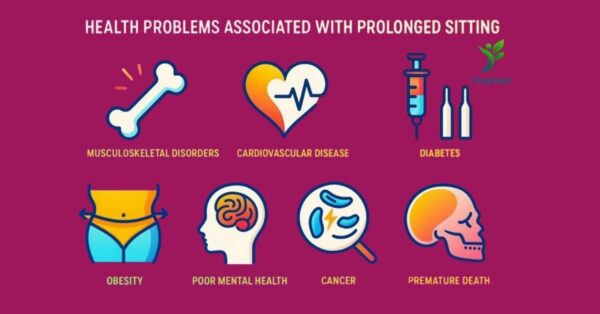
Sedentary habits can harm your health and slow down weight loss progress. Discover practical ways to reduce risks in our article Health Hazards of Prolonged Sitting: How to Avoid It.
7. Improve Sleep Quality
Why sleep matters
Lack of sleep increases hunger and cravings. It disrupts two key hormones: ghrelin, which makes you feel hungry, and leptin, which signals fullness.
- Strong cravings for sugar and carbs after poor sleep
- Low energy that reduces physical activity
- Increased emotional eating
How to improve sleep
- Maintain consistent sleep and wake times.
- Limit caffeine late in the day.
- Avoid screen use before bed.
- Keep your bedroom dark and cool.
Research insight
According to the Sleep Health Foundation, people who regularly sleep less than six hours per night are more likely to struggle with obesity and weight gain.
8. Manage Stress
Stress and weight connection
Stress increases cortisol levels, which encourages the storage of fat, particularly around the abdomen. Stress also drives emotional eating habits, where people consume high-calorie comfort foods as a coping mechanism.
Stress management practices
- Daily meditation or breathing exercises
- Yoga for relaxation and flexibility
- Short outdoor walks to clear the mind
- Talking with supportive friends or family
Research backing
A study published in Psycho-neuroendocrinology showed that chronic stress leads to weight gain and makes fat loss more challenging by altering hormone balance.
9. Track Your Food Intake
The power of awareness
Most people underestimate what they eat. Snacks, sauces, and hidden sugars can add up quickly. Tracking creates awareness and accountability.
Tracking options
- Food journals
- Mobile apps like MyFitnessPal or Cronometer
- Taking photos of meals
Why it works
When you track, you spot patterns. You may notice that you snack more at night or exceed your calorie intake on weekends. Identifying these gaps allows steady correction.
Research
An extensive review in the Journal of the Academy of Nutrition and Dietetics showed that people who consistently tracked their food intake doubled their chances of weight loss success.
10. Build Sustainable Habits, Not Shortcuts
Why sustainability matters?
Most diets fail because they are not sustainable. Extreme restrictions, detoxes, or fad programs create temporary losses that people cannot maintain.
Successful weight loss builds on long-term habits. Make gradual changes that you can continue for life.
Practical sustainable habits
- Meal planning each week
- Regular physical activity
- Setting realistic goals
- Weighing yourself once a week for accountability
- Cooking most meals at home
Scientific evidence
Studies show that people who manage to maintain weight loss share similar daily habits. They exercise regularly, monitor their food intake, and maintain a consistent diet of healthy meals.
Final Thoughts
These top 10 scientifically proven weight loss strategies work due to supporting evidence. They are not quick trends. They represent the most reliable tools known in the field of nutrition and health science.
By applying them consistently, you can reduce fat, improve health, and avoid the cycle of yo-yo dieting. The secret is not perfection, but persistence.
Key Takeaways
-
Eating enough protein supports fat loss and preserves muscle.
-
A high-fibre diet reduces hunger and stabilises blood sugar.
-
Replacing refined carbs with whole grains helps maintain steady energy and control cravings.
-
Sugary drinks and liquid calories are leading causes of hidden weight gain.
-
Combining strength training and cardio exercises yields the best results for fat loss and improved metabolism.
-
Quality sleep regulates appetite hormones, helping to prevent overeating.
-
Managing stress levels can help reduce emotional eating and belly fat storage.
-
Tracking meals makes you aware of hidden calories and improves accountability.
-
Sustainable long-term habits are more important than fad diets for maintaining weight loss.
For expert guidance on healthy fat loss and scientifically proven weight loss strategies, visit the official CDC Healthy Weight – Losing Weight resource.
Frequently Asked Questions (FAQ)
1. What is the number one scientifically proven weight loss strategy?
The most proven strategy is creating a calorie deficit, which means burning more calories than you consume. Every effective diet works because it helps achieve this balance.
2. How much protein should I eat for weight loss?
Most research suggests that 1.6 to 2.2 grams of protein per kilogram of body weight per day is recommended. This range supports fat loss while preserving lean muscle.
3. Can I lose weight without exercise?
Yes, weight loss can happen through diet alone, but combining diet with exercise helps protect muscle, improves health, and makes results more sustainable.
4. Are carbs bad for weight loss?
No, carbs are not bad. The key is to choose complex carbs like whole grains, beans, and vegetables instead of refined carbs such as pastries, sugary snacks, or soda.
5. How much sleep do I need to support weight loss?
Adults should aim for 7 to 9 hours of quality sleep per night. Poor sleep increases hunger hormones, reduces satiety, and intensifies cravings.
6. Are sugary drinks really that harmful?
Yes. Sugary drinks are one of the leading sources of empty calories. They do not satisfy hunger and often lead to excess calorie intake without you realising it.
7. What type of exercise is best for weight loss?
Research shows a mix of strength training and cardio works best. Strength training builds muscle and raises metabolism, while cardio burns calories and improves heart health.
8. How can I manage stress to avoid overeating?
Try relaxation techniques such as meditation, deep breathing, yoga, or short outdoor walks. Managing stress helps reduce cortisol levels, which are linked to abdominal fat.
9. Do I need to track calories forever?
No. Tracking is most useful in the early stages because it builds awareness. With practice, you learn to estimate portions and make balanced choices without needing to log every meal.
10. How do I keep the weight off long term?
The most effective way to maintain weight loss is by establishing sustainable habits, such as maintaining a balanced diet, engaging in daily physical activity, regularly monitoring your weight, and adhering to a consistent meal routine.
Making long-term changes is the foundation of scientifically proven weight-loss strategies.
Are you ready to use these proven weight loss tips in your life? Start today with small steps.
Replace one sugary drink with water. Add one serving of protein to your meal. Take a quick walk tonight.
These small changes build momentum. That momentum leads to significant changes over time.
Follow https://fitandwell.in/ for more health tips
We’d love to hear from you!
Which scientifically proven weight loss strategies have worked for you?
- Do you have questions, tips, or experiences to share about healthy eating and fitness?
Drop your thoughts and join the conversation in the comments below. Your insights help others on their journey!



Pingback: How Meditation Helps Anxiety: Indian Wisdom and Science - FitandWell.in – Wellness for Everyday India
Pingback: Top 10 Foods to Manage Diabetes in India 2025 - FitandWell.in – Wellness for Everyday India
Pingback: Yoga for Beginners in India: Your Complete Guide 2025 - FitandWell.in – Wellness for Everyday India