
Obesity: Causes, Health Risks, Prevention, and Treatment

You are currently viewing Obesity: Causes, Health Risks, Prevention, and Treatment
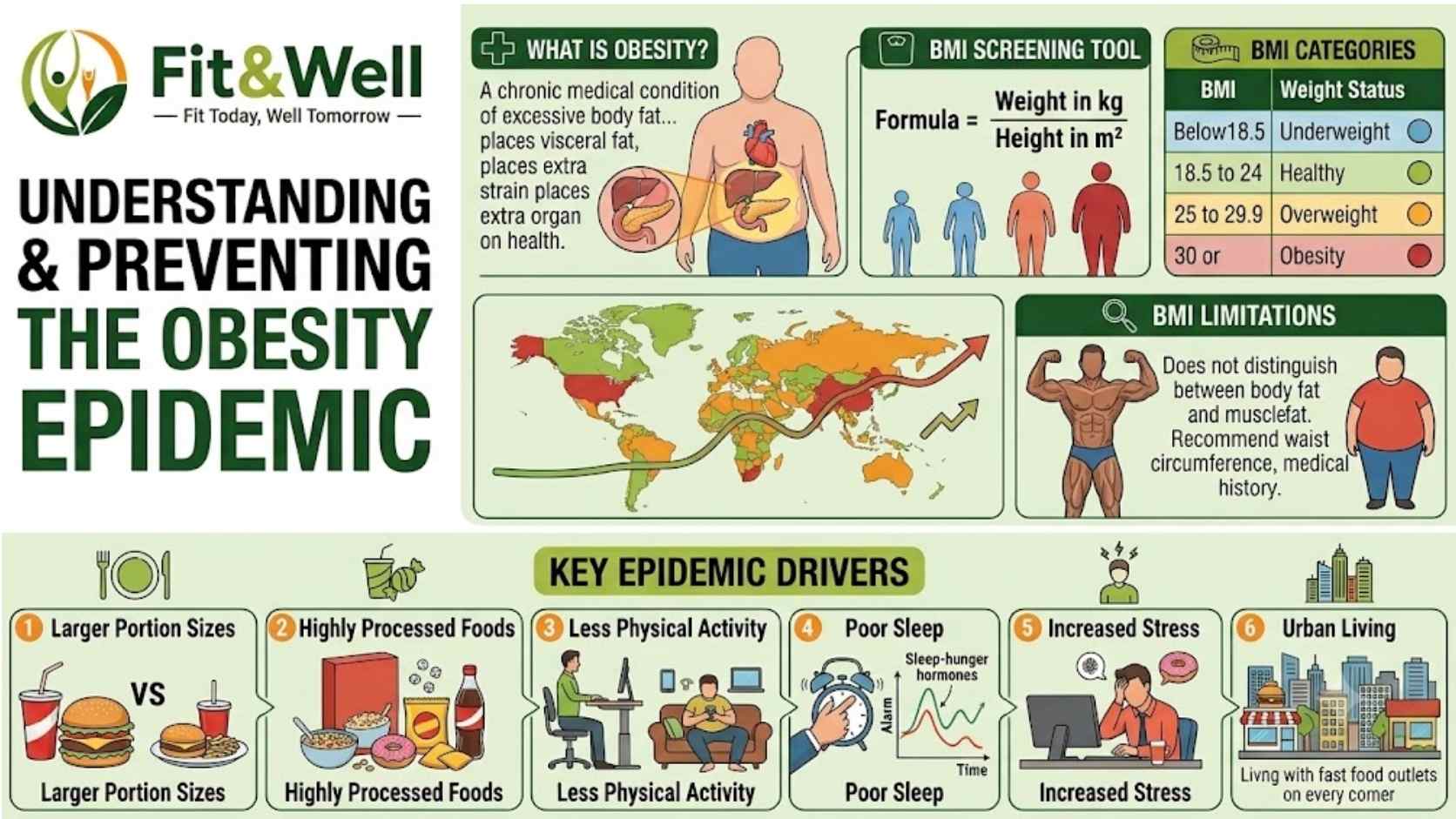
An educational infographic by Fit&Well exploring the complex drivers, health impacts, and measurement tools behind the global obesity crisis.

Obesity: Causes, Health Risks, Prevention, and Treatment

Obesity: A Complete Guide to Understanding, Preventing and Managing It

Obesity has become one of the biggest health challenges of the 21st century. It affects people of all ages, cultures and income groups. Once seen mainly as a problem in wealthy nations, obesity is now rising rapidly across low and middle-income countries as well.

According to the World Health Organization (WHO), obesity rates have increased dramatically over the past few decades. Today, hundreds of millions of adults and children are living with obesity, making it a growing global epidemic.

Obesity is much more than carrying extra weight. It is a long-term medical condition that can increase the risk of serious illnesses such as heart disease, type 2 diabetes, stroke, high blood pressure and several types of cancer. It can also affect mental wellbeing, mobility and overall quality of life.

The encouraging news is that obesity can often be prevented and managed. Healthy eating, regular physical activity, quality sleep and positive lifestyle habits can make a significant difference. Even losing a small amount of body weight can improve health and lower the risk of many obesity-related conditions.

This guide explains everything you need to know about obesity in simple language. You’ll learn what causes it, how it affects the body, who is most at risk, and the most effective ways to prevent and treat it using evidence-based advice.

Contents hide
5 Common Symptoms of Obesity

What Is Obesity?

Obesity is a chronic medical condition in which a person has an excessive amount of body fat that may affect their health.

Many people think obesity is simply about body weight or appearance. In reality, it is far more complex. Excess body fat changes how the body works and places extra strain on almost every organ.

Healthcare professionals often use the Body Mass Index (BMI) as a simple screening tool to assess whether someone is underweight, at a healthy weight, overweight or obese.

BMI is calculated by dividing a person’s weight in kilograms by the square of their height in metres.

BMI Categories

Although BMI is useful, it does have limitations. It does not measure body fat directly and cannot distinguish between fat and muscle. For example, athletes with a high muscle mass may have a high BMI without having excess body fat.

Because of this, organisations such as the National Health Service (NHS) recommend using BMI alongside other measurements, including waist circumference, medical history and overall health.

Why Obesity Has Become a Global Epidemic

Obesity is increasing faster than ever before.

Modern lifestyles have changed dramatically over the last few decades. Many daily activities now involve less physical movement, while high-calorie foods have become cheaper, larger in portion size and easier to access.

Several factors have contributed to the global rise in obesity.

Larger Portion Sizes

Restaurants and food manufacturers often serve larger portions than people need. Regularly eating oversized meals can lead to consuming hundreds of extra calories every day.

Highly Processed Foods

Many packaged foods contain high amounts of sugar, unhealthy fats and refined carbohydrates. These foods are often designed to taste appealing but provide little nutritional value.

Less Physical Activity

Many jobs now involve sitting for long hours. People also spend more time using computers, smartphones and televisions than previous generations.

Walking and cycling have declined in many areas as people rely more on cars and public transport.

Poor Sleep

Modern lifestyles often reduce sleep quality and duration. Lack of sleep can disrupt hormones that regulate hunger, making people more likely to overeat.

Increased Stress

Long-term stress can encourage emotional eating. Some people turn to comfort foods that are high in sugar and fat during stressful periods.

Urban Living

Busy schedules and easy access to convenience foods make healthy eating more difficult for many families.

The World Obesity Federation warns that if current trends continue, obesity will continue to rise worldwide, increasing the burden on healthcare systems and reducing life expectancy in many countries.

What Causes Obesity?

There is no single cause of obesity.

Instead, obesity usually develops because several factors work together over time. Understanding these factors is important because it shows that obesity is not simply the result of poor self-control.

1. Eating More Calories Than the Body Needs

The most common cause of obesity is consuming more calories than the body burns.

When this happens consistently, the body stores excess energy as fat.

Foods that commonly contribute to excess calorie intake include:

  • Sugary drinks
  • Fast food
  • Fried foods
  • Cakes and pastries
  • Sweets
  • Crisps
  • Processed snacks
  • Takeaway meals

Even a small calorie surplus each day can gradually lead to significant weight gain over several years.

2. Lack of Physical Activity

Physical activity helps the body burn calories and maintain muscle mass.

People who spend most of their day sitting may burn far fewer calories than those with active lifestyles.

Common examples include:

  • Office work
  • Driving for long periods
  • Watching television
  • Using computers
  • Playing video games

The Centers for Disease Control and Prevention (CDC) recommends that adults aim for at least 150 minutes of moderate-intensity physical activity each week, together with muscle-strengthening exercises on two or more days.

3. Genetics

Some people inherit genes that affect appetite, metabolism and how their bodies store fat.

A family history of obesity may increase a person’s risk, but genes do not determine the future. Healthy lifestyle habits can still reduce the likelihood of developing obesity.

4. Hormonal Conditions

Although less common, certain medical conditions can contribute to weight gain.

Examples include:

  • Hypothyroidism
  • Cushing’s syndrome
  • Polycystic ovary syndrome (PCOS)

If weight gain occurs suddenly or without a clear reason, a healthcare professional may recommend medical tests to identify any underlying condition.

5. Poor Sleep

Sleep plays an important role in regulating hormones that control hunger and fullness.

People who regularly sleep fewer than seven hours may experience:

  • Increased appetite
  • Stronger food cravings
  • Reduced energy levels
  • Higher calorie intake

Improving sleep quality can support healthy weight management.

6. Emotional Eating

Many people eat in response to emotions rather than hunger.

Stress, anxiety, boredom and sadness can all trigger emotional eating, often leading people to choose foods that are high in sugar, fat and calories.

Learning healthier ways to manage emotions can make long-term weight management easier.

7. Certain Medicines

Some medicines may cause weight gain as a side effect.

Examples include some:

  • Antidepressants
  • Antipsychotic medicines
  • Steroids
  • Diabetes medications

Anyone concerned about weight gain should speak with their doctor before changing or stopping prescribed medication.
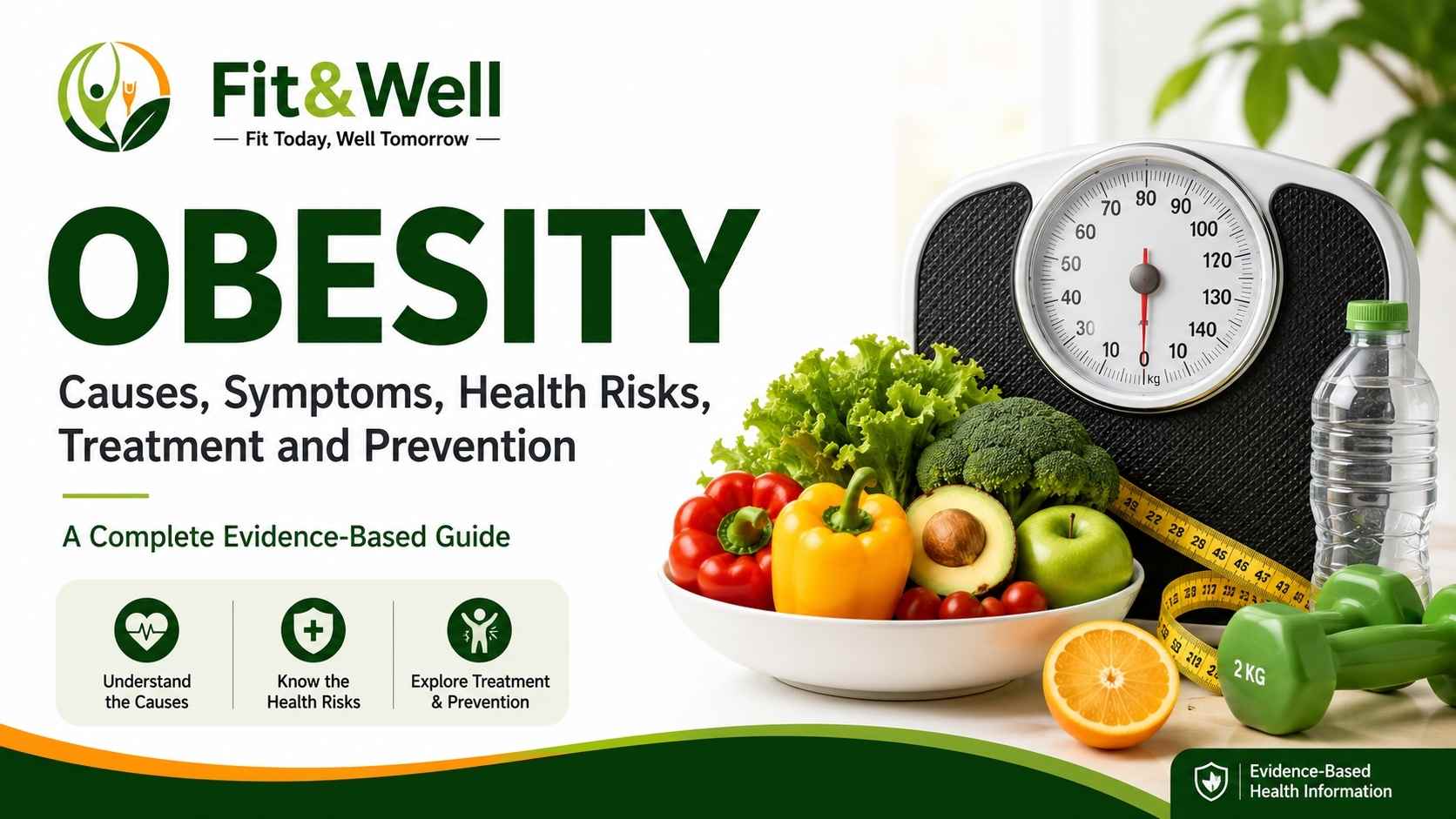
Obesity guide featuring healthy foods, weighing scale, measuring tape and Fit&Well branding, illustrating causes, symptoms, health risks, treatment and prevention.
Obesity is a complex but manageable health condition. A balanced diet, regular exercise and sustainable lifestyle changes can significantly improve long-term health and wellbeing.

Common Symptoms of Obesity

Obesity often develops slowly, so people may not notice the early signs.

As excess body fat increases, everyday activities may become more difficult.

Common symptoms include:

  • Becoming breathless during simple activities
  • Feeling tired most of the time
  • Joint pain, especially in the knees and hips
  • Lower back pain
  • Loud snoring
  • Poor sleep quality
  • Excessive sweating
  • Reduced mobility
  • Difficulty exercising
  • Low self-confidence

Not everyone experiences the same symptoms. Some people may feel generally well while still having a higher risk of developing serious health problems in the future.

Why Obesity Is a Global Epidemic

Obesity is no longer a problem limited to a few countries. It has become one of the fastest-growing public health challenges worldwide. Today, millions of adults and children are living with obesity, placing increasing pressure on healthcare systems and affecting the quality of life of people across all age groups.

According to the World Health Organization (WHO), global obesity rates have more than doubled since 1990. Rapid urbanisation, changing diets, reduced physical activity and modern lifestyles have all contributed to this alarming rise.

Unlike infectious diseases, obesity develops gradually over time. It is influenced by a combination of biological, environmental, behavioural and social factors, making it a complex condition that requires long-term prevention and management strategies.

Easy Access to Processed Foods

One of the biggest drivers of obesity is the widespread availability of processed and ultra-processed foods.

Many packaged foods are high in:

  • Added sugars
  • Saturated fats
  • Refined carbohydrates
  • Salt
  • Artificial ingredients

These foods are often inexpensive, convenient and heavily advertised, making them a regular part of many people’s diets. While they can fit into a balanced diet occasionally, eating them frequently may increase calorie intake without providing enough essential nutrients.

Larger Portion Sizes

Portion sizes have increased significantly over the past few decades.

Meals served in restaurants, cafés and takeaway outlets are often much larger than the body needs. Even healthy foods can contribute to weight gain when consumed in excessive amounts.

Learning appropriate portion sizes is a simple but effective way to support healthy weight management.

Less Physical Activity

Modern lifestyles require much less movement than in previous generations.

Many people spend most of their day:

  • Sitting at a desk
  • Driving to work
  • Using computers
  • Watching television
  • Browsing smartphones and tablets

This reduction in daily movement means fewer calories are burned, making weight gain more likely when calorie intake remains high.

Poor Sleep Habits

Sleep plays an important role in maintaining a healthy weight.

Research shows that inadequate sleep can affect hormones that regulate hunger and fullness. People who regularly sleep less than seven hours often experience increased appetite, stronger food cravings and lower energy levels, making it harder to stay active.

Stress and Emotional Eating

Long-term stress affects both the mind and body.

When stress levels remain high, the body produces more cortisol, a hormone that may increase appetite and encourage fat storage around the abdomen.

Many people also cope with stress by eating comfort foods that are high in sugar, fat and calories. Over time, emotional eating can contribute to gradual weight gain.

Changes in Daily Life

Technology has made everyday tasks easier, but it has also reduced physical activity.

Simple activities that once required movement are now often replaced by automation. Online shopping, food delivery services, remote working and increased screen time all reduce opportunities to stay active throughout the day.

Expert Tip

Obesity is rarely caused by one factor alone. It usually develops through a combination of eating habits, physical activity, genetics, sleep, mental health and the surrounding environment. Long-term success comes from improving several of these areas rather than focusing on a single solution.

Types of Obesity

Not everyone living with obesity has the same health risks. Healthcare professionals classify obesity based on Body Mass Index (BMI) and, in some cases, the distribution of body fat. Understanding these different types helps guide treatment and identify people who may be at greater risk of developing obesity-related complications.

Obesity Based on BMI

BMI is the most commonly used screening tool for assessing weight status in adults.

BMI Classification
18.5 to 24.9 Healthy Weight
25.0 to 29.9 Overweight
30.0 to 34.9 Class I Obesity
35.0 to 39.9 Class II Obesity
40.0 or above Class III Obesity (Severe Obesity)

Although BMI provides a useful starting point, it should not be used on its own. It does not measure body fat directly and may not accurately reflect health risks in athletes, older adults or people with high muscle mass.

Central (Abdominal) Obesity

Central obesity, sometimes called abdominal obesity, refers to excess fat around the waist and stomach.

This type of fat is particularly harmful because it surrounds vital organs, including the liver and pancreas. People with central obesity have a higher risk of developing:

  • Heart disease
  • Type 2 diabetes
  • High blood pressure
  • Stroke
  • Fatty liver disease
  • Metabolic syndrome

Measuring waist circumference alongside BMI provides a better picture of overall health risk.

Peripheral Obesity

Peripheral obesity refers to excess fat stored mainly around the hips, thighs and buttocks.

Although this pattern generally carries a lower risk than abdominal obesity, it can still contribute to joint problems, reduced mobility and other obesity-related health conditions.

Childhood Obesity

Obesity in children is assessed differently from adults because children are still growing.

Instead of using standard BMI categories, healthcare professionals compare a child’s BMI with age- and sex-specific growth charts. Early diagnosis is important because children living with obesity are more likely to remain obese as adults and develop long-term health problems.

Causes of Obesity

Obesity develops when the body stores more energy than it uses over a long period. However, the reasons behind this imbalance are often far more complex than simply eating too much.

In most cases, obesity results from several factors working together. These may include lifestyle choices, genetics, medical conditions, environmental influences and mental health.

Understanding these causes helps explain why obesity affects people differently and why there is no single solution that works for everyone.

Eating More Calories Than the Body Uses

The most common cause of obesity is consistently consuming more calories than the body burns.

When excess calories are not used for energy, they are stored as body fat.

Foods that commonly contribute to excess calorie intake include:

  • Sugary drinks
  • Fast food
  • Fried foods
  • Cakes and pastries
  • Chocolate and sweets
  • Crisps
  • Highly processed snacks

Weight gain usually happens gradually. Even a small daily calorie surplus can lead to significant weight gain over several years.

Lack of Physical Activity

Regular movement helps the body burn calories, strengthen muscles and maintain overall health.

People who lead sedentary lifestyles are more likely to gain weight because they burn fewer calories throughout the day.

Common examples include:

  • Office-based work
  • Long periods of driving
  • Watching television for several hours
  • Spending leisure time on computers or mobile devices

Finding simple ways to move more each day, such as walking, gardening or taking the stairs, can support healthy weight management.

Genetics

Genetics can influence:

  • Appetite
  • Hunger signals
  • Metabolism
  • Fat storage
  • Energy expenditure

Having close family members with obesity may increase your risk, but genes do not determine your future. Healthy habits can still make a significant difference.

Medical Conditions

Some health conditions can make weight management more challenging.

Examples include:

  • Hypothyroidism
  • Polycystic ovary syndrome (PCOS)
  • Cushing’s syndrome
  • Certain rare genetic disorders

These conditions account for a relatively small proportion of obesity cases but should be considered if weight gain is sudden or difficult to explain.

Certain Medicines

Some prescription medicines may contribute to weight gain by increasing appetite or slowing metabolism.

These include certain:

  • Antidepressants
  • Antipsychotic medicines
  • Corticosteroids
  • Diabetes medications
  • Anti-seizure medicines

If you are concerned about weight gain while taking medication, speak with your healthcare provider before making any changes.

Poor Sleep

Sleep has a direct impact on the hormones that regulate hunger and fullness.

People who regularly sleep too little often:

  • Feel hungrier
  • Crave high-calorie foods
  • Have less energy for exercise
  • Consume more calories throughout the day

Improving sleep quality is an important but often overlooked part of healthy weight management.

Emotional Eating

Food is sometimes used to cope with emotions rather than hunger.

Stress, anxiety, loneliness, sadness and boredom can all lead to emotional eating, making long-term weight management more difficult.

Developing healthier coping strategies, such as exercise, mindfulness or talking to a trusted friend, can reduce emotional eating and support overall wellbeing.

Key Takeaway

Obesity is a complex medical condition with many contributing factors. Successful treatment focuses on long-term lifestyle changes and personalised support rather than quick fixes or restrictive diets.


Risk Factors for Obesity

While anyone can develop obesity, certain factors increase the likelihood of gaining excess body fat. Understanding these risk factors can help you take early steps to maintain a healthy weight and reduce the risk of obesity-related health problems.

Many of these factors cannot be changed, such as age or genetics. However, many others, including eating habits, physical activity and sleep, can be improved through healthy lifestyle choices.

Family History

Obesity often runs in families.

This may be due to shared genes, eating habits, physical activity levels and lifestyle patterns. Having one or both parents with obesity does not mean you will develop the condition, but it may increase your risk.

Unhealthy Eating Habits

A diet high in calories, sugar and unhealthy fats is one of the leading risk factors for obesity.

Regularly eating foods such as:

  • Fast food
  • Fried foods
  • Sugary drinks
  • Cakes and pastries
  • Processed snacks
  • Large takeaway meals

can make it easier to consume more calories than your body needs.

Skipping meals may also lead to overeating later in the day.

Physical Inactivity

People who spend long periods sitting are more likely to gain weight than those who remain physically active.

A sedentary lifestyle may include:

  • Desk-based jobs
  • Long hours driving
  • Watching television
  • Excessive screen time
  • Limited exercise

Regular physical activity helps burn calories, maintain muscle mass and support a healthy metabolism.

Age

As people get older, muscle mass naturally decreases while metabolism slows.

Without changes to diet or physical activity, weight gain may occur more easily during middle age and later life.

Poor Sleep

Adults who regularly sleep fewer than seven hours each night have a higher risk of obesity.

Poor sleep may:

  • Increase appetite
  • Reduce feelings of fullness
  • Increase cravings for sugary foods
  • Lower energy levels
  • Reduce motivation to exercise

Improving sleep quality is an important part of maintaining a healthy weight.

Stress

Long-term stress can influence both eating habits and hormone levels.

Some people respond to stress by eating high-calorie comfort foods, while increased cortisol levels may encourage fat storage, particularly around the abdomen.

Learning healthy ways to manage stress can support long-term weight management.

Medical Conditions

Some health conditions make weight management more challenging.

Examples include:

  • Hypothyroidism
  • Polycystic ovary syndrome (PCOS)
  • Cushing’s syndrome
  • Depression
  • Certain genetic disorders

Managing these conditions with appropriate medical care may help improve weight control.

Certain Medicines

Some prescription medicines may increase the likelihood of weight gain.

These include some:

  • Antidepressants
  • Antipsychotic medicines
  • Corticosteroids
  • Diabetes medicines
  • Anti-epileptic medicines

Never stop taking prescribed medication without consulting your healthcare provider.

Symptoms of Obesity

Obesity often develops gradually over several years. Many people may not notice the early signs until excess body fat begins to affect their daily activities or overall health.

While obesity itself is diagnosed using body measurements such as BMI and waist circumference, it can also cause a range of physical and emotional symptoms.

Common Physical Symptoms

People living with obesity may experience:

  • Breathlessness during everyday activities
  • Feeling tired most of the time
  • Excessive sweating
  • Joint pain, especially in the knees and hips
  • Lower back pain
  • Reduced mobility
  • Difficulty exercising
  • Snoring or disturbed sleep
  • Swollen feet and ankles
  • Reduced stamina

These symptoms often become more noticeable as body weight increases.

Emotional and Psychological Symptoms

Obesity can also affect mental and emotional wellbeing.

Some people may experience:

  • Low self-esteem
  • Poor body image
  • Anxiety
  • Depression
  • Social isolation
  • Loss of confidence

It is important to remember that these feelings are not experienced by everyone. Emotional health varies from person to person and should never be overlooked during obesity treatment.

When Should You See a Doctor?

You should consider speaking with your doctor if:

  • Your weight continues to increase despite lifestyle changes.
  • You become breathless during simple activities.
  • Joint pain limits your mobility.
  • You develop symptoms of diabetes, high blood pressure or sleep apnoea.
  • Weight gain occurs suddenly without an obvious reason.
  • Your weight is affecting your mental wellbeing or quality of life.

Early assessment can help identify any underlying medical conditions and reduce the risk of long-term complications.

Expert Tip

Obesity is easier to manage in its early stages. Small, consistent lifestyle changes made today can help prevent more serious health problems in the future.

Understanding Body Mass Index (BMI)

Body Mass Index (BMI) is one of the most commonly used tools for assessing whether a person’s weight is within a healthy range.

It compares your weight with your height to estimate whether you are underweight, at a healthy weight, overweight or living with obesity.

Although BMI is useful for screening, it does not directly measure body fat.

How Is BMI Calculated?

BMI is calculated using the following formula:

BMI = Weight (kg) ÷ Height² (m²)

For example:

  • Weight: 80 kg
  • Height: 1.75 m

BMI = 80 ÷ (1.75 × 1.75) = 26.1

This result falls within the overweight category.

BMI Categories

BMI Weight Status
Below 18.5 Underweight
18.5 to 24.9 Healthy Weight
25.0 to 29.9 Overweight
30.0 to 34.9 Class I Obesity
35.0 to 39.9 Class II Obesity
40 or Above Class III Obesity (Severe Obesity)

Limitations of BMI

BMI is helpful, but it does not tell the whole story.

For example, it may not accurately reflect body fat in:

  • Athletes with high muscle mass
  • Older adults who have lost muscle
  • Pregnant women
  • Some ethnic groups

For this reason, healthcare professionals often combine BMI with waist circumference, medical history and other health assessments.

Waist Circumference

Where fat is stored is just as important as how much fat a person carries.

People who store excess fat around the abdomen generally have a higher risk of developing serious health conditions than those who carry fat around the hips and thighs.

Measuring waist circumference is a simple way to estimate abdominal fat.

How to Measure Your Waist

Follow these steps:

  1. Stand upright and relax.
  2. Find the top of your hip bones.
  3. Place a measuring tape around your waist, just above the hips.
  4. Breathe out normally.
  5. Record the measurement without pulling the tape too tightly.

Healthy Waist Measurements

Although recommendations may vary slightly between organisations and ethnic groups, general guidance suggests that health risks increase when waist circumference exceeds:

Sex Increased Health Risk
Men More than 94 cm
Women More than 80 cm

People with larger waist measurements may have a greater risk of:

  • Heart disease
  • Type 2 diabetes
  • High blood pressure
  • Stroke
  • Fatty liver disease

Waist circumference should be considered alongside BMI rather than used as a replacement.

How Doctors Diagnose Obesity

Diagnosing obesity involves more than stepping onto a weighing scale.

Healthcare professionals use several methods to assess body weight, body fat distribution and overall health before recommending treatment.

Medical History

Your doctor may ask about:

  • Eating habits
  • Physical activity
  • Sleep patterns
  • Family history
  • Current medications
  • Existing medical conditions
  • Previous weight loss attempts

Understanding these factors helps identify possible causes of weight gain.

Physical Examination

A physical examination may include:

  • Measuring height and weight
  • Calculating BMI
  • Measuring waist circumference
  • Checking blood pressure
  • Assessing mobility
  • Looking for signs of obesity-related complications

Blood Tests

Blood tests may be recommended to check for conditions commonly linked with obesity, including:

  • Type 2 diabetes
  • High cholesterol
  • Thyroid disorders
  • Liver disease
  • Kidney function

These tests help healthcare professionals develop an appropriate treatment plan.

Additional Assessments

Depending on your symptoms, your doctor may recommend further investigations, such as:

  • Sleep studies for suspected sleep apnoea
  • Heart health assessments
  • Hormone tests
  • Body composition analysis

Every person is different, so diagnosis should always consider overall health rather than body weight alone.

Health Risks and Complications of Obesity

Obesity affects much more than your body weight. Over time, excess body fat places additional strain on nearly every organ and system in the body, increasing the risk of developing several serious health conditions.

The longer obesity remains untreated, the greater the likelihood of complications. However, even modest weight loss can significantly improve overall health and reduce these risks.

Heart Disease

Heart disease is one of the most common complications associated with obesity.

Excess body fat forces the heart to work harder to pump blood around the body. It can also contribute to the build-up of fatty deposits inside the arteries, reducing blood flow to the heart.

People living with obesity are more likely to develop:

  • Coronary heart disease
  • Heart attack
  • Heart failure
  • Irregular heartbeat

Maintaining a healthy weight, eating a heart-friendly diet and staying physically active can help protect your heart.

High Blood Pressure

High blood pressure, also known as hypertension, often develops alongside obesity.

When the heart has to pump harder, pressure inside the arteries increases. Over time, this extra pressure can damage blood vessels and increase the risk of heart disease, stroke and kidney disease.

Many people have high blood pressure without experiencing any symptoms, making regular health checks important.

Type 2 Diabetes

Obesity is one of the leading risk factors for type 2 diabetes.

Excess body fat, particularly around the abdomen, can reduce the body’s sensitivity to insulin. This makes it harder to control blood sugar levels, increasing the risk of developing diabetes.

Common symptoms include:

  • Increased thirst
  • Frequent urination
  • Constant tiredness
  • Blurred vision
  • Slow-healing wounds

Losing as little as 5% to 10% of body weight can improve insulin sensitivity and reduce the risk of developing type 2 diabetes.

Stroke

Obesity increases the likelihood of stroke by contributing to several risk factors, including:

  • High blood pressure
  • High cholesterol
  • Type 2 diabetes
  • Heart disease

A stroke occurs when the blood supply to part of the brain is interrupted. It is a medical emergency that requires immediate treatment.

Sleep Apnoea

Many people living with obesity develop obstructive sleep apnoea, a condition in which breathing repeatedly stops and starts during sleep.

Common symptoms include:

  • Loud snoring
  • Gasping during sleep
  • Morning headaches
  • Poor concentration
  • Excessive daytime sleepiness

Sleep apnoea not only affects sleep quality but also increases the risk of heart disease, stroke and high blood pressure.

Osteoarthritis

Extra body weight places significant pressure on the joints, particularly the:

  • Knees
  • Hips
  • Ankles
  • Lower back

Over time, this additional strain can wear down cartilage and increase the risk of osteoarthritis.

Many people experience:

  • Joint pain
  • Stiffness
  • Reduced mobility
  • Difficulty walking

Even moderate weight loss can reduce joint pain and improve mobility.

Fatty Liver Disease

Non-alcoholic fatty liver disease (NAFLD) is becoming increasingly common among people living with obesity.

The condition occurs when excess fat builds up inside the liver.

Although it often causes no symptoms during its early stages, untreated fatty liver disease can lead to:

  • Liver inflammation
  • Liver scarring (fibrosis)
  • Cirrhosis
  • Liver failure

Healthy eating and gradual weight loss remain the most effective treatments.

Gallbladder Disease

Obesity increases the risk of developing gallstones.

Gallstones form when substances in bile become unbalanced and harden into small stones.

Symptoms may include:

  • Severe abdominal pain
  • Nausea
  • Vomiting
  • Indigestion

Maintaining a healthy weight can help reduce the risk.

Certain Types of Cancer

Research has shown that obesity increases the risk of several cancers.

These include:

  • Breast cancer (after menopause)
  • Bowel cancer
  • Kidney cancer
  • Liver cancer
  • Pancreatic cancer
  • Oesophageal cancer
  • Endometrial cancer

Although obesity does not guarantee cancer will develop, maintaining a healthy lifestyle can help lower the risk.

Fertility Problems

Obesity may affect fertility in both women and men.

Women living with obesity may experience:

  • Irregular menstrual cycles
  • Difficulty ovulating
  • Pregnancy complications

Men may experience:

  • Lower testosterone levels
  • Reduced sperm quality
  • Erectile dysfunction

Reaching a healthier weight may improve fertility and increase the chances of a healthy pregnancy.

Reduced Quality of Life

Living with obesity can affect many aspects of daily life.

People may find it harder to:

  • Walk long distances
  • Climb stairs
  • Exercise comfortably
  • Perform everyday activities
  • Sleep well

These challenges can reduce independence and overall wellbeing.

Obesity and Mental Health

The effects of obesity are not limited to physical health. Living with obesity can also affect emotional wellbeing, relationships and self-confidence.

It is important to recognise that mental health and obesity often influence each other.

Depression

Some people living with obesity experience depression.

Possible reasons include:

  • Low self-esteem
  • Negative body image
  • Social isolation
  • Weight discrimination
  • Reduced physical activity

Depression may also lead to emotional eating, creating a cycle that makes weight management more difficult.

Anxiety

Concerns about appearance, health and social situations may increase feelings of anxiety.

Some people avoid:

  • Social gatherings
  • Exercise classes
  • Swimming pools
  • Public places

Fear of judgement can prevent people from seeking medical advice or joining weight management programmes.

Emotional Eating

Many people eat in response to emotions rather than physical hunger.

Common triggers include:

  • Stress
  • Sadness
  • Boredom
  • Loneliness
  • Anxiety

Learning healthier coping strategies can improve both emotional wellbeing and long-term weight management.

Weight Stigma

People living with obesity sometimes experience unfair treatment or negative attitudes because of their weight.

Weight stigma can occur in:

  • Schools
  • Workplaces
  • Healthcare settings
  • Social situations

Stigma may discourage people from seeking support, even when they need medical care.

Everyone deserves respectful, compassionate healthcare regardless of body size.

Expert Tip

Successful obesity treatment should support both physical and mental health. Addressing emotional wellbeing often improves long-term outcomes and helps people develop healthier relationships with food and exercise.

Childhood Obesity

Childhood obesity has become one of the fastest-growing public health concerns worldwide.

Children living with obesity are more likely to remain obese as adults, increasing their risk of developing serious health conditions later in life.

Causes of Childhood Obesity

Several factors contribute to childhood obesity, including:

  • Poor diet
  • Sugary drinks
  • Lack of physical activity
  • Excessive screen time
  • Family eating habits
  • Poor sleep
  • Genetics

No single factor is responsible in every case.

Signs of Childhood Obesity

Parents should speak with a healthcare professional if they notice:

  • Rapid weight gain
  • Difficulty keeping up with friends during physical activities
  • Breathlessness
  • Low self-confidence
  • Bullying related to weight

Doctors use growth charts rather than adult BMI categories when assessing children.

How Parents Can Help

Healthy habits work best when the whole family takes part.

Simple steps include:

  • Eating meals together
  • Encouraging outdoor play
  • Limiting sugary drinks
  • Offering more fruit and vegetables
  • Reducing screen time
  • Being active as a family

Children should never be placed on restrictive diets without medical advice.

Key Takeaway

Obesity can affect almost every organ in the body, increasing the risk of heart disease, diabetes, stroke, sleep apnoea, joint problems, fatty liver disease and certain cancers. It can also have a significant impact on mental health and quality of life. The earlier obesity is recognised and managed, the greater the opportunity to improve long-term health and wellbeing.


Lifestyle Changes That Work

Lasting weight loss is not about following a strict diet for a few weeks. It is about building healthier habits that you can maintain for life. Small, consistent changes often produce better long-term results than dramatic lifestyle overhauls.

The following strategies can help you manage your weight and improve your overall health.

Set Realistic Goals

Trying to lose a large amount of weight quickly can feel overwhelming and may lead to disappointment.

Instead, focus on small, achievable goals, such as:

  • Walking for 30 minutes each day
  • Eating one extra serving of vegetables daily
  • Drinking more water
  • Reducing sugary drinks
  • Cooking more meals at home

Celebrate each milestone, no matter how small. Every healthy choice contributes to your long-term success.

Keep Track of Your Progress

Monitoring your progress helps you stay motivated and identify habits that may need adjusting.

Consider tracking:

  • Your weight once a week
  • Waist circumference
  • Daily steps
  • Exercise sessions
  • Water intake
  • Sleep duration

Remember that progress is not always reflected by the number on the scales. Improved fitness, better sleep and increased energy are also important achievements.

Improve Your Sleep

Good-quality sleep is essential for maintaining a healthy weight.

Adults should aim for 7 to 9 hours of sleep each night.

To improve sleep quality:

  • Go to bed at the same time each night.
  • Reduce screen time before bed.
  • Keep your bedroom cool and quiet.
  • Avoid caffeine late in the day.
  • Create a relaxing bedtime routine.

Better sleep helps regulate hunger hormones and supports healthy eating habits.

Manage Stress Effectively

Stress can make healthy eating more difficult.

Instead of turning to food, try healthier ways to manage stress, such as:

  • Walking outdoors
  • Deep breathing exercises
  • Meditation
  • Yoga
  • Reading
  • Listening to music
  • Spending time with family and friends

Taking care of your mental wellbeing is an important part of long-term weight management.

Build Healthy Habits Slowly

Trying to change everything at once rarely works.

Instead, introduce one new habit at a time.

For example:

Week 1

  • Drink more water.

Week 2

  • Walk for 20 minutes after dinner.

Week 3

  • Eat vegetables with every evening meal.

Week 4

  • Replace sugary snacks with fruit.

These small changes become easier to maintain over time.

How to Prevent Obesity

Preventing obesity is often easier than treating it. Healthy habits developed early in life can reduce the risk of excessive weight gain and many related health conditions.

Eat a Balanced Diet

Choose a variety of nutritious foods every day.

Aim to fill your plate with:

  • Vegetables
  • Fruit
  • Wholegrains
  • Lean protein
  • Healthy fats
  • Low-fat dairy products

Try to limit highly processed foods, sugary drinks and foods that are high in saturated fat.

Stay Physically Active

Regular physical activity helps maintain a healthy weight and supports heart health.

Simple ways to stay active include:

  • Walking instead of driving short distances
  • Using the stairs
  • Cycling
  • Swimming
  • Dancing
  • Gardening
  • Playing sports

Choose activities that you enjoy so that exercise becomes part of your daily routine.

Drink More Water

Water is the healthiest drink for most people.

Replacing sugary drinks with water can significantly reduce your daily calorie intake.

Carry a reusable water bottle to encourage regular hydration throughout the day.

Reduce Screen Time

Spending long periods sitting increases the risk of weight gain.

Take regular breaks to stand, stretch or walk around.

Encourage children to spend more time playing outdoors and less time using electronic devices.

Make Healthy Choices as a Family

Healthy habits are easier to maintain when everyone takes part.

Families can:

  • Cook meals together.
  • Eat at the dining table.
  • Plan weekly meals.
  • Go for walks together.
  • Encourage active hobbies.

Children often copy the habits of the adults around them, making family involvement especially important.

Common Myths About Obesity

There are many misconceptions about obesity. Understanding the facts can help people make informed decisions about their health.

Myth Fact
Obesity is simply caused by eating too much. Obesity develops through a combination of genetics, lifestyle, environment and medical factors.
You only need more willpower to lose weight. Long-term weight management often requires lifestyle changes, support and, in some cases, medical treatment.
All calories are the same. While calories matter, food quality also affects hunger, nutrition and overall health.
Skipping meals helps with weight loss. Skipping meals may lead to overeating later in the day.
Carbohydrates always cause obesity. Wholegrain carbohydrates can be part of a healthy, balanced diet.
Weight loss supplements are the best solution. Most supplements offer limited benefits and should never replace healthy lifestyle habits.
Obesity only affects adults. Childhood obesity is increasing worldwide and can have lifelong health consequences.
Exercise alone is enough to lose weight. The best results usually come from combining physical activity with healthy eating and behaviour changes.

Frequently Asked Questions

What is the main cause of obesity?

Obesity usually develops when the body consistently takes in more calories than it burns. However, genetics, hormones, sleep, stress, certain medicines and environmental factors also play important roles.

Can obesity be reversed?

Yes. Many people can successfully manage obesity through healthier eating, regular physical activity, improved sleep and long-term lifestyle changes. Some people may also benefit from prescription medicines or bariatric surgery.

Is obesity a disease?

Yes. Many leading health organisations, including the World Health Organization, recognise obesity as a chronic disease that requires ongoing management.

What foods should I avoid if I have obesity?

Try to limit:

  • Sugary drinks
  • Fast food
  • Fried foods
  • Cakes and pastries
  • Highly processed snacks
  • Foods high in added sugar

Instead, focus on balanced meals rich in vegetables, wholegrains, lean protein and healthy fats.

How much exercise do I need?

Most adults should aim for at least 150 minutes of moderate-intensity exercise each week, together with muscle-strengthening activities on two or more days.

Is BMI always accurate?

No. BMI is a useful screening tool, but it does not measure body fat directly. Healthcare professionals often consider waist circumference, muscle mass and overall health alongside BMI.

Can children develop obesity?

Yes. Childhood obesity is becoming increasingly common and can increase the risk of long-term health problems. Encouraging healthy eating and regular physical activity from an early age is essential.

Does losing a small amount of weight make a difference?

Absolutely. Losing just 5% to 10% of your body weight can improve blood pressure, blood sugar levels, cholesterol and overall health.

Key Takeaways

  • Obesity is a chronic medical condition that affects millions of people worldwide.
  • It develops through a combination of genetic, environmental, behavioural and medical factors.
  • Obesity increases the risk of heart disease, type 2 diabetes, stroke, sleep apnoea, fatty liver disease and several cancers.
  • Healthy eating and regular physical activity remain the foundation of effective weight management.
  • Good sleep, stress management and behavioural changes also play important roles.
  • Some people may benefit from prescription medicines or bariatric surgery under medical supervision.
  • Even modest weight loss can significantly improve health and reduce the risk of obesity-related complications.
  • Long-term success comes from building sustainable habits rather than following short-term diets.

Conclusion

Obesity is one of the most significant health challenges facing the world today, but it is also one of the most preventable and manageable. Understanding its causes, recognising the early warning signs and making positive lifestyle changes can dramatically improve both physical and mental wellbeing.

There is no single solution that works for everyone. Successful weight management requires a personalised approach that combines healthy eating, regular physical activity, quality sleep, stress management and, where appropriate, professional medical support.

Remember that progress takes time. Every healthier meal, every walk, every good night’s sleep and every positive habit contributes to better long-term health.

If you are concerned about your weight or experiencing obesity-related health problems, speak with your doctor or a qualified healthcare professional. Early intervention can make a significant difference and help you achieve lasting improvements in your health and quality of life.

For more expert advice on nutrition, fitness and healthy living, explore our Health and Wellness section.

References

For the latest evidence-based information on obesity, consult these trusted organisations:

  • World Health Organization (WHO)
  • National Health Service (NHS)
  • Centers for Disease Control and Prevention (CDC)
  • National Institute of Diabetes and Digestive and Kidney Diseases (NIDDK)
  • World Obesity Federation
  • American Heart Association (AHA)
  • National Institute for Health and Care Excellence (NICE)

Fit & Well Editorial Team

The Fit & Well Editorial Team shares expert insights on health and wellness, fitness tips, nutrition, and lifestyle. Our mission is to provide research-backed content that empowers readers to live healthier, happier lives every day.

Leave a Reply