

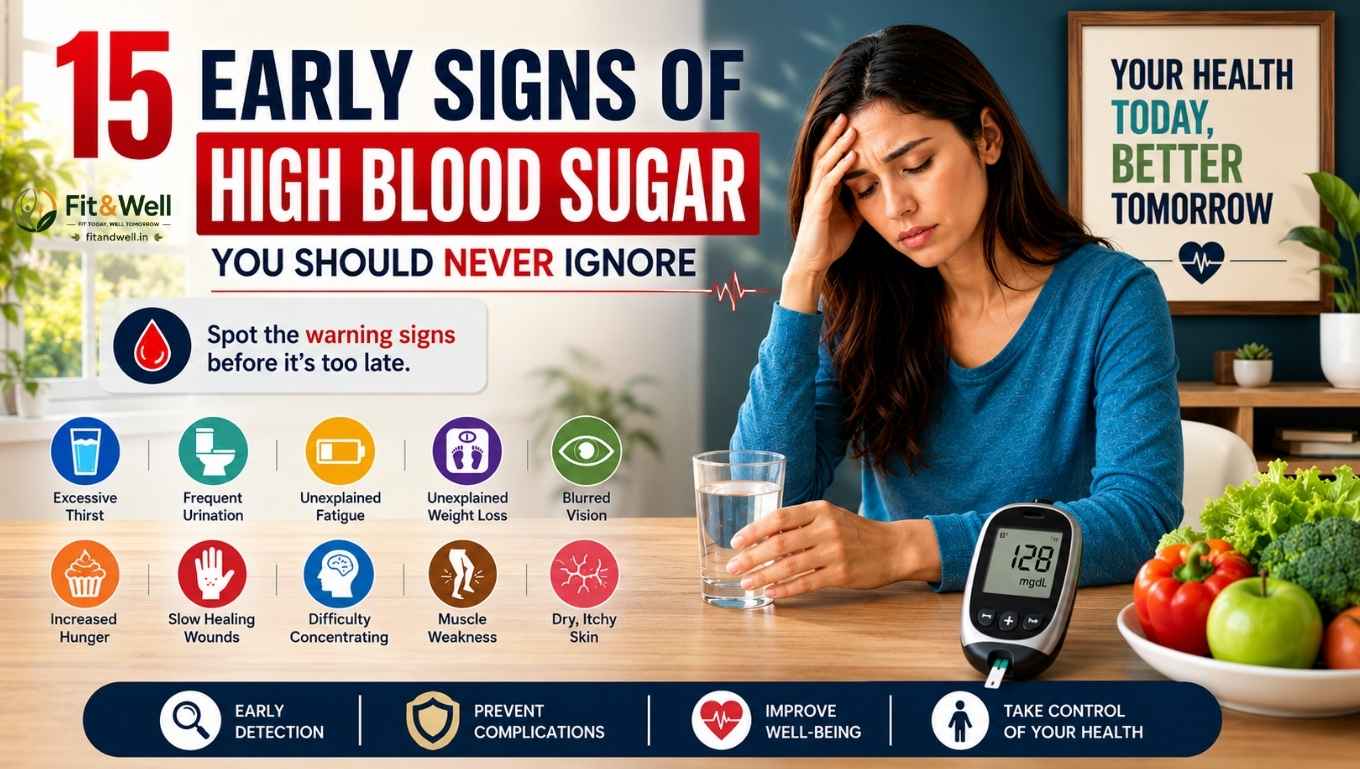
The human body is an incredibly sophisticated communicator. Long before chronic metabolic conditions manifest as severe medical emergencies, the body subtly signals that internal systems are under strain. When your blood sugar levels begin to creep upward, the early warnings are rarely explosive. Instead, they appear as minor disruptions to your daily routine, a persistent thirst you cannot seem to quench, a sudden midday energy crash, or skin that feels unusually dry. Ignoring these whispers can have serious long-term consequences. Recognising the early signs of high blood sugar is one of the most proactive steps you can take to protect your metabolic health, prevent chronic complications, and regain control over your vitality.
High blood sugar, known medically as hyperglycaemia, occurs when your body either lacks sufficient insulin or cannot effectively use the hormone it produces to transport glucose from your bloodstream into your cells. When glucose builds up in the blood rather than being converted into cellular energy, it acts as a quiet irritant to blood vessels and nerves throughout the body. Early detection is paramount because prolonged hyperglycaemia can quietly damage organs well before a formal diagnosis of diabetes is made. Understanding these common high blood sugar symptoms allows you to intervene early through simple lifestyle modifications or targeted medical care, effectively halting the progression from mild insulin resistance to full-blown type 2 diabetes.
Learn why recognising high blood sugar early matters
Table of Contents
The 15 Early Signs of High Blood Sugar
1. Persistent, Unquenchable Thirst (Polydipsia)
An unremitting urge to drink water is one of the classic warning signs of diabetes. When glucose accumulates in your bloodstream, your kidneys are forced to work overtime to filter and absorb the excess sugar. If your kidneys cannot keep up, the surplus glucose is excreted into your urine, dragging vital fluids along with it from your bodily tissues. This process leaves you profoundly dehydrated at a cellular level. No matter how many glasses of water you consume, the persistent dryness in your mouth remains because the underlying fluid drain continues, serving as a direct physiological distress signal triggered by elevated blood sugar levels.
2. Frequent Trips to the Bathroom (Polyuria)
Closely linked to excessive thirst, frequent urination is a direct consequence of the kidneys attempting to flush out excess glucose. Under normal circumstances, your kidneys reabsorb all the glucose passing through them. However, when blood sugar levels cross a specific threshold, the kidneys hit their filtration limit. The excess sugar spills into the urine, pulling high volumes of water with it via osmotic pressure. If you find yourself waking up multiple times throughout the night to use the bathroom, or if your daytime trips to the loo have increased significantly without a change in your fluid intake, your body may be trying to eliminate surplus glucose.
3. Chronic, Unexplained Fatigue
Feeling constantly exhausted, even after a full night of restful sleep, is a frequent symptom of hyperglycaemia. When you have elevated blood sugar, it means glucose is trapped inside your vascular system rather than entering your cells to be used for fuel. Your muscles, brain, and tissues are effectively starving in a land of plenty. Because your cells cannot access the energy they require to function efficiently, you experience profound, systemic fatigue. This metabolic mismatch leaves you feeling physically drained and mentally sluggish, as your body lacks the functional energy required for basic daily activities.
4. Blurry or Distorted Vision
High blood sugar levels can directly affect your eyes long before permanent retinopathy develops. Excess glucose in the blood alters the fluid balance within the body, drawing moisture out of the lenses of your eyes. This fluid shift causes the lenses to swell, altering their shape and reducing their ability to focus correctly. You might notice that text on a screen looks fuzzy, or that distant objects appear temporarily distorted. Fortunately, according to established NHS guidance on type 2 diabetes symptoms, this early sign of high blood sugar is generally reversible; once your blood sugar levels return to a healthy, stable range, the shape of the lens normalises, and your vision clears.
5. Rapid, Unintentional Weight Loss
Losing weight without dieting or increasing your physical activity might seem ideal, but it is actually a significant warning sign of diabetes. When your cells cannot absorb glucose due to insufficient insulin or severe insulin resistance, your body enters a state of perceived starvation. To keep your vital organs functioning, the body begins rapidly breaking down fat stores and muscle tissue to use for alternative energy. This rapid catabolic state can lead to noticeable weight loss over a few weeks, even if your appetite has increased significantly during the same period.
6. Constant Hunger (Polyphagia)
If you find yourself experiencing intense cravings and constant hunger shortly after eating a substantial meal, fluctuating blood sugar levels could be the culprit. Because insulin resistance prevents glucose from entering the cells, your muscles and organs remain energy-deprived. These starving cells continually signal your brain that they require more nourishment, triggering a persistent, ravenous appetite. This creates a frustrating cycle: you eat more food to satisfy the hunger, which drives your blood sugar levels even higher, yet your cells remain unable to access the incoming nutrients.
7. Slow-Healing Cuts, Wounds, and Bruises
If you notice that a minor scrape, blister, or insect bite takes weeks to heal completely, your body may be struggling with high blood sugar symptoms. Elevated blood glucose stiffens the arteries and narrows the blood vessels, significantly impairing systemic blood circulation. Efficient blood flow is essential for delivering oxygen, immune cells, and vital nutrients to injured tissues to facilitate repair. Furthermore, prolonged hyperglycaemia compromises the function of your white blood cells, leaving your body less capable of fighting off minor infections and slowing down the natural cellular regeneration process.
8. Recurrent or Persistent Infections
Sugar is an excellent primary food source for pathogens. When your blood sugar levels are chronically high, excess glucose seeps into your body fluids, creating an ideal, nutrient-rich environment for bacteria and fungi to thrive. Consequently, individuals with early-stage hyperglycaemia often suffer from frequent yeast infections (thrush), urinary tract infections, or recurrent skin infections. As highlighted in the comprehensive clinical reference by Diabetes UK on hyperglycaemia symptoms, these infections can be stubborn, difficult to clear with standard treatments, and tend to return shortly after a course of medication is completed.
9. Frequent, Throbbing Headaches
Persistent or recurring headaches can be an underestimated early sign of high blood sugar. The continuous fluctuations in blood glucose levels place a significant amount of stress on your central nervous system and vascular health. As blood sugar rises, it alters the osmotic pressure within your bloodstream, affecting fluid balance and blood flow to the brain. Additionally, the rapid spikes and subsequent crashes in glucose can trigger vascular headaches. If you are experiencing unexplained daily headaches alongside other symptoms like thirst or fatigue, it warrants an evaluation of your metabolic health.
10. Tingling or Numbness in the Extremities (Neuropathy)
Chronically elevated blood sugar acts as a direct toxin to the delicate nerves throughout your body. One of the earliest physical manifestations of this nerve irritation is a sensation of tingling, “pins and needles,” or mild numbness in your fingers, hands, toes, and feet. This condition, known as peripheral neuropathy, occurs because high glucose levels damage the microscopic blood vessels that supply your nerves with oxygen and nutrients. What begins as a transient, occasional tingling sensation can eventually progress to permanent nerve damage if the underlying hyperglycaemia is left unaddressed.
11. Unusually Dry, Itchy, or Flaky Skin
Skin changes are highly visible warning signs of diabetes that should never be ignored. The systemic dehydration caused by frequent urination robs your skin cells of the moisture required to maintain a healthy barrier, leaving your skin feeling uncomfortably dry, tight, and flaky. Furthermore, high blood sugar impairs circulation and suppresses the immune system, making the skin more susceptible to localised itching, particularly on the lower legs, feet, and hands. Poor metabolic health can also alter skin texture, making it more prone to cracking and subsequent bacterial entry.
12. Darkened Patches of Skin (Acanthosis Nigricans)
High levels of insulin in the bloodstream—which occur when the body struggles with insulin resistance and high blood sugar—can cause skin cells to reproduce rapidly. This often results in a distinct skin condition called Acanthosis Nigricans, characterised by dark, velvety patches of hyperpigmentation in the folds and creases of the body. These patches typically appear around the back of the neck, in the armpits, around the groin, or on the knuckles. Spotting these changes early is a clear indicator that your body is pumping out excess insulin to manage rising blood glucose.
13. Irritability, Mood Swings, and Brain Fog
Your brain relies entirely on a steady, controlled supply of glucose to function at its best. When blood sugar levels are volatile, swinging wildly between extreme highs and rapid drops, your cognitive function and emotional stability suffer. High blood sugar can make you feel uncharacteristically irritable, anxious, or impatient. You may also experience “brain fog,” characterised by difficulty concentrating, forgetfulness, and a general lack of mental clarity. These psychological symptoms are direct reactions to the metabolic chaos occurring within your brain cells.
14. Swollen, Bleeding, or Tender Gums
Periodontal health is intricately linked to your body’s overall glucose tolerance. Because high blood sugar weakens your immune system and limits your body’s capacity to fight off oral pathogens, your gums become highly susceptible to bacterial infections. You may notice your gums bleeding during routine brushing or flossing, appearing unusually red and swollen, or pulling away from your teeth. Untreated hyperglycaemia accelerates the progression of gum disease, which can create a vicious cycle, as active oral infections can cause blood sugar levels to rise even further.
15. Fruity or Sweet-Smelling Breath
When your cells are completely locked out from using glucose for energy due to a lack of effective insulin, your body looks for alternative fuel sources. It begins breaking down fats at an accelerated rate, producing a byproduct known as ketones. As ketones build up in the bloodstream, they are eliminated through the lungs, imparting a distinct sweet, fruity, or nail-polish-remover-like scent to your breath. While a mildly sweet breath can be an early sign of shifting metabolism, a highly pronounced fruity odour is a critical warning sign that requires immediate medical attention to avoid severe metabolic crises.
Understanding Blood Sugar Metrics
To put these symptoms into a clinical context, it helps to understand how medical professionals define healthy versus elevated blood sugar levels. Routine blood tests measure the concentration of glucose in your plasma, typically expressed in millimoles per litre (mmol/L) in the UK, or milligrams per decilitre (mg/dL) in other clinical settings.
The table below outlines the standard diagnostic criteria established by international diabetes care standards for fasting plasma glucose tests (taken after at least 8 hours of no food) and HbA1c tests, which measure your average blood sugar over the past 2 to 3 months.
| Metabolic Category | Fasting Glucose (mmol/L) | Fasting Glucose (mg/dL) | HbA1c Percentage (%) | HbA1c (mmol/mol) |
| Normal / Healthy Range | Less than 5.6 | Less than 100 | Less than 5.7% | Less than 39 |
| Prediabetes (Impaired) | 5.6 to 6.9 | 100 to 125 | 5.7% to 6.4% | 39 to 47 |
| Diabetes Threshold | 7.0 or higher | 126 or higher | 6.5% or higher | 48 or higher |
Taking Control of Your Metabolic Health
Discovering that you are experiencing several early signs of high blood sugar should not cause panic; instead, it should be viewed as an invaluable opportunity to intervene before long-term complications set in. The human body possesses a remarkable capacity for recovery when given the correct metabolic support.
Addressing elevated blood sugar effectively requires a multi-faceted approach centred on sustainable lifestyle modifications and proactive medical guidance:
- Prioritise Whole Foods: Base your diet around nutrient-dense food sources. Focus on non-starchy vegetables, lean proteins (such as poultry, fish, and tofu), healthy fats (avocados, nuts, and olive oil), and complex, high-fibre carbohydrates that cause a slow, steady rise in blood glucose rather than a sharp spike.
- Engage in Regular Physical Activity: Exercise acts as a natural insulin sensitiser. When your muscles contract during physical activity, they can absorb glucose directly from your bloodstream to use for energy, even without relying on insulin. Aim for at least 150 minutes of moderate cardiovascular exercise per week, complemented by strength training.
- Manage Chronic Stress: Prolonged psychological stress triggers the continuous release of hormones like cortisol and adrenaline. These hormones are evolutionary signals designed to dump stored glucose into the bloodstream for quick energy, inadvertently driving blood sugar levels upward.
- Optimise Sleep Quality: Chronic sleep deprivation disrupts the delicate balance of metabolic hormones, reducing insulin sensitivity and increasing cravings for high-calorie, sugary foods. Ensure you get 7 to 9 hours of restorative sleep each night.