

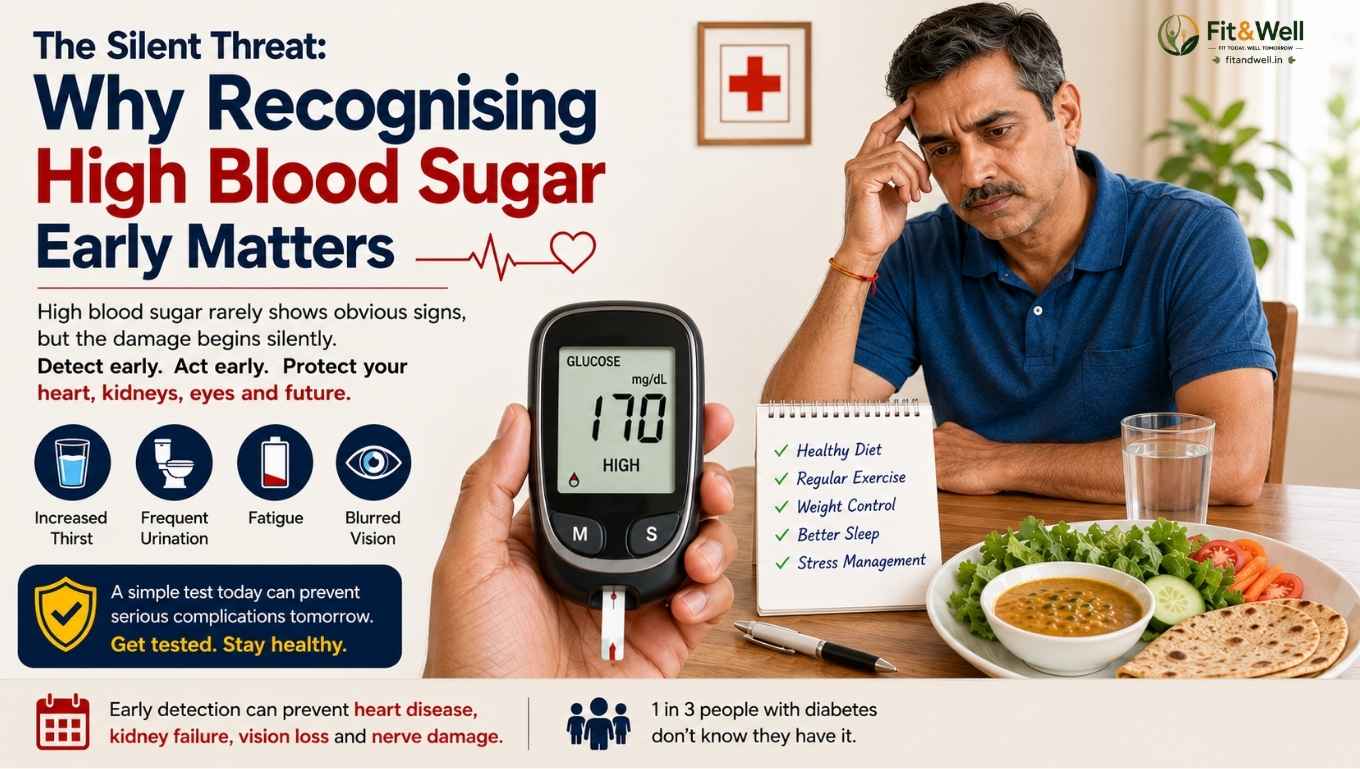
The human metabolic system functions much like a finely tuned engine, relying on a precise balance of nutrients and hormones to sustain life. Glucose serves as the primary fuel source for our cells, yet its concentration in the bloodstream must be tightly regulated. When blood sugar levels remain consistently elevated, a condition known clinically as hyperglycaemia, the body enters a state of structural stress.
Failing to spot the early indicators of this imbalance does not merely delay a medical consultation. It allows a cascade of systemic damage to occur across blood vessels, vital organs, and nerve networks. Understanding why early detection of high blood sugar matters helps you protect your long-term health, safeguard your vascular system, and prevent irreversible complications before they take root.
Why Recognising High Blood Sugar is Important
The human metabolic system functions much like a finely tuned engine, relying on a precise balance of nutrients and hormones to sustain life. Glucose serves as the primary fuel source for our cells, yet its concentration in the bloodstream must be tightly regulated. When blood sugar levels remain consistently elevated, a condition known clinically as hyperglycaemia, the body enters a state of structural stress.
Failing to spot the early indicators of this imbalance does not merely delay a medical consultation. It allows a cascade of systemic damage to occur across blood vessels, vital organs, and nerve networks.
Understanding the critical importance of early metabolic detection helps you protect your long-term health and prevent irreversible complications before they take root.
1. Defeating the Concept of Metabolic Debt
When blood sugar levels remain high for prolonged periods, the body begins to accumulate what endocrinologists refer to as a metabolic debt. This term describes the cumulative physiological damage caused by continuous exposure to glucose toxicity, cellular oxidative stress, and low-grade systemic inflammation.
The danger of metabolic debt lies in its long-term persistence. Even if a person achieves excellent blood glucose control years later through medication, the biological damage sustained during the undetected period can lead to irreversible vascular issues.
Intervening early halts the accumulation of this metabolic debt, protecting your organs from quiet, ongoing degradation.
2. Securing the Metabolic Legacy Effect
Clinical trials highlight a phenomenon known as the metabolic legacy effect, or metabolic memory. Data shows that individuals who achieve strict, intensive glycaemic control immediately after experiencing high blood sugar secure a legacy of protection that lasts for decades.
This early management vastly reduces the risk of future myocardial infarctions, strokes, and premature death. To explore the long-term patterns behind tracking these biological markers, you can read the comprehensive PMC clinical review on type 2 diabetes management.
The body remembers early health environments. Establishing healthy blood sugar levels during the initial window provides a protective shield that benefits your cardiovascular system long after the initial diagnosis.
3. Preserving Vital Pancreatic Beta-Cell Function
Pancreatic beta-cells produce the insulin required to pull glucose out of your blood and into your cells. When blood sugar rises due to insulin resistance, these cells work overtime to compensate. Over time, excessive glucose levels trigger glucotoxicity, which destroys the beta-cells.
While older adults typically experience a gradual beta-cell decline of five to seven per cent annually, younger cohorts with early-onset type 2 diabetes face a much steeper loss of 20 to 35 per cent each year.
Detecting high glucose early prevents this rapid pancreatic burnout, allowing your body to retain its natural insulin-producing capacity.
4. Preventing Microvascular Destruction
High blood sugar acts as a direct physical irritant to the smallest blood vessels in the human body, known as the microvasculature. Chronic exposure to high glucose stiffens these tiny vessels, blocking efficient blood delivery to critical sensory systems.
This microvascular damage leads directly to three severe health conditions:
- Diabetic Retinopathy: Up to 12 per cent of all diabetic patients suffer from sight-threatening damage to the blood vessels of the retina.
- Diabetic Nephropathy: Chronic high sugar damages the delicate filtration units within the kidneys, making diabetes the single most common cause of end-stage kidney disease in the United Kingdom.
- Peripheral Neuropathy: Glucose toxicity starves the microscopic blood vessels that supply nerves with oxygen, causing permanent numbness, tingling, and pain in the hands and feet.
5. Avoiding Accelerated Macrovascular Events
Beyond the tiny capillaries, untreated hyperglycaemia damages the body’s large arteries, dramatically accelerating the progression of cardiovascular disease. According to recent British health metrics released by [The Guardian reporting on National Diabetes Audit data](https://www.theguardian.com/society/2025/may/14/almost-a-third-of-deaths from-heart-disease-in-england-occur-in-diabetes-patients-report-finds), diabetes leads to more than 800 strokes, 560 heart attacks, and nearly 3,000 instances of heart failure every single week in England alone.
When high blood sugar develops early or goes unnoticed, the timeline for these macrovascular events speeds up significantly.
Unmanaged individuals often face premature heart attacks or strokes in their 40s and 50s. Recognising the warning signs early allows you to lower these risks to normal levels.
6. Combating Cellular Lipotoxicity
Elevated blood sugar rarely occurs in isolation. It frequently coexists with excess visceral adiposity, which is the accumulation of fat around internal organs. This combination triggers lipotoxicity, a state where excess lipids cause severe cellular damage to non-adipose organs like the liver and pancreas.
Younger individuals with high blood sugar show liver fat contents approximately threefold higher than body mass index-matched older adults. This intrahepatic fat increases the export of destructive lipids straight to the pancreas, worsening metabolic failure.
Early screening allows you to reverse lipotoxicity before it causes permanent fatty liver disease.
7. Reducing the Risk of Acute Metabolic Crises
If blood sugar levels rise unchecked, the body can experience acute, life-threatening metabolic crises that require emergency medical intervention.
Without enough functional insulin, the body cannot convert glucose into cellular fuel, forcing it to rapidly break down adipose tissue for emergency energy. This accelerated metabolism generates an excessive accumulation of organic acids called ketones. This biochemical shift triggers Diabetic Ketoacidosis (DKA), which causes deep, laboured breathing, vomiting, acute confusion, and potential coma.
Alternatively, blood glucose can rise to extreme levels above 33.3 mmol/L, causing Hyperosmolar Hyperglycaemic State (HHS), which triggers profound, life-threatening dehydration. Early identification of rising glucose eliminates the risk of these sudden emergencies.
“Diabetes shouldn’t be a gateway to ill health but, but right now, this is the devastating reality facing millions of people living with the condition.”
— Colette Marshall, Chief Executive of Diabetes UK
Clinical Targets for Blood Glucose Control
Medical professionals evaluate metabolic health by tracking specific blood markers. The National Institute for Health and Care Excellence (NICE) guidelines emphasise personalised targets based on your specific health profile.
The table below outlines the diagnostic thresholds and standard long-term management targets for blood sugar levels.
| Clinical Metric | Healthy Range | Prediabetes Range | Diabetes Threshold | Standard NICE Target |
| Fasting Plasma Glucose | Less than 5.6 mmol/L | 5.6 to 6.9 mmol/L | 7.0 mmol/L or higher | Under 5.6 mmol/L |
| HbA1c Glycated Haemoglobin | Less than 39 mmol/mol | 39 to 47 mmol/mol | 48 mmol/mol or higher | 48 mmol/mol (or 53 if on specific meds) |
Taking Proactive Control of Your Future
Identifying high blood sugar early changes your entire health trajectory. Rather than waiting for symptoms to disrupt your life, taking quick action through routine screening gives you the power to make impactful changes.
Achieving a weight loss of greater than 10 per cent can trigger full remission of type 2 diabetes, allowing your pancreas and liver to recover completely. Combine this weight management with 150 minutes of weekly physical activity and a diet focused on whole foods to restore your cellular insulin sensitivity.
If you notice persistent fatigue, frequent urination, or blurred vision, act immediately. For comprehensive advice on safely integrating targeted movement into your metabolic routine, explore our metabolic fitness resource section.
Consult your general practitioner to arrange a routine HbA1c test and secure your long-term metabolic vitality.