
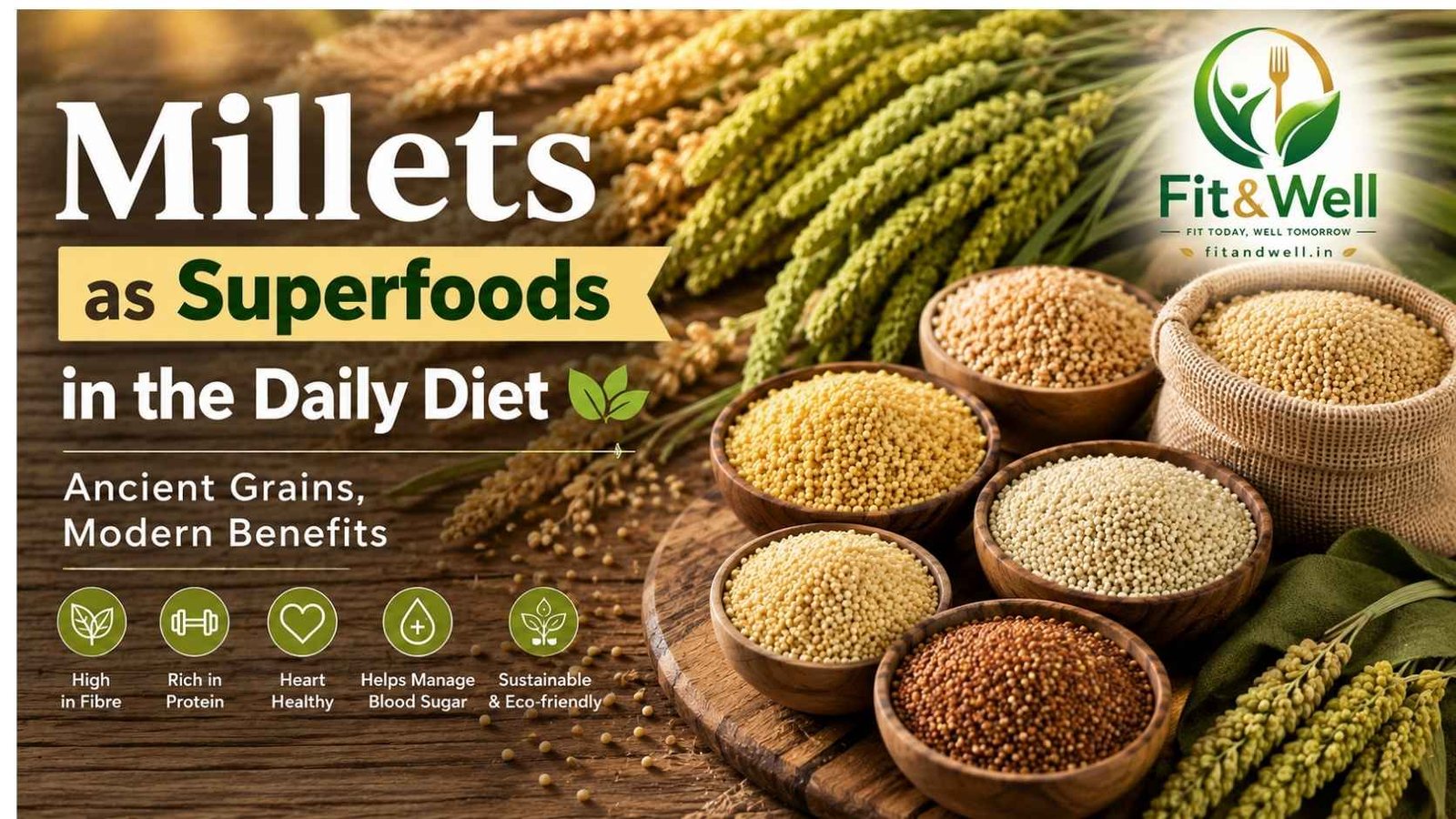
Millets are among the world’s oldest cultivated grains. People have eaten them for thousands of years across Asia and Africa. Today, these ancient grains are returning to modern kitchens because of their impressive nutritional profile and sustainability.
Millets provide dietary fibre, plant protein, essential minerals, B vitamins, and beneficial plant compounds. They are naturally gluten-free and can replace refined grains in many everyday meals.
Nutrition experts increasingly recommend whole grains because they support overall health. Millets stand out because they combine good nutrition with environmental sustainability. They require less water than many major cereal crops and tolerate drought well, making them valuable for future food security.
Adding millets to your daily diet can improve dietary variety while increasing your intake of fibre and important micronutrients.
Why Are Millets Considered Superfoods?
Millets are often called superfoods because they are rich in nutrients and contain more fibre and minerals than many refined grains. They support digestive health, help maintain healthy blood sugar levels when replacing refined cereals, contribute to heart health, and provide valuable vitamins and minerals. Their nutritional value, combined with sustainable farming benefits, makes them an excellent addition to a balanced diet.
What Are Millets?
Millets are small-seeded cereal grains belonging to the grass family (Poaceae). They have been cultivated for thousands of years and remain staple foods across many parts of India, Africa, and Asia.
Unlike polished white rice, millets are usually eaten as whole grains. This helps preserve their fibre, vitamins, minerals, and naturally occurring antioxidants.
India is one of the world’s largest producers of millets. Their importance has grown further since the United Nations declared 2023 the International Year of Millets, highlighting their role in improving nutrition and strengthening sustainable food systems.
Common Types of Millets
Different millet varieties offer slightly different nutritional advantages.
Millet |
Common Indian Name |
Key Nutritional Strength |
Pearl millet |
Bajra |
Rich in iron, magnesium and fibre |
Finger millet |
Ragi |
Exceptionally high in calcium |
Foxtail millet |
Kangni |
Good source of fibre and protein |
Barnyard millet |
Sanwa |
Lower glycaemic index than many refined cereals |
Little millet |
Kutki |
Contains antioxidants and dietary fibre |
Kodo millet |
Kodra |
High fibre content |
Proso millet |
Cheena |
Good source of plant protein |
Sorghum |
Jowar |
Rich in antioxidants and whole grain nutrients |
Eating different millet varieties helps improve dietary diversity throughout the week.
Millet Nutrition Facts
Millets contain complex carbohydrates, dietary fibre, plant protein, vitamins, minerals, and bioactive plant compounds.
The exact nutritional value depends on the variety. Processing methods also influence nutrient content.
The table below compares the nutritional highlights of common millets per 100 grams of raw grain
Millet |
Protein (g) |
Calcium (mg) |
Iron (mg) |
Notable Benefit |
Finger millet |
7.3 |
344 |
3.9 |
Excellent calcium source |
Pearl millet |
10.6 |
42 |
8.0 |
High iron and magnesium |
Foxtail millet |
12.3 |
31 |
2.8 |
Higher protein content |
Barnyard millet |
11.2 |
22 |
5.0 |
Good fibre content |
Kodo millet |
8.3 |
27 |
0.5 |
High dietary fibre |
Values are approximate and may vary with variety, growing conditions, and analytical methods.
Besides these nutrients, millets also provide:
- Dietary fibre
- Magnesium
- Phosphorus
- Potassium
- Zinc
- Copper
- Manganese
- B vitamins
- Polyphenols
- Resistant starch
These nutrients work together to support normal body functions and overall wellbeing.
Why Are Millets Becoming Popular Again?
Interest in millets has grown rapidly during the past decade.
People increasingly seek foods that combine good nutrition with long-term health benefits.
Millets meet many of these needs because they are:
- Whole grains
- Naturally gluten-free
- Rich in dietary fibre
- Versatile in cooking
- Suitable for many traditional recipes
- Environmentally sustainable
The Food and Agriculture Organisation notes that millets require fewer agricultural inputs than many staple cereals and tolerate drought well. These qualities make them valuable crops for climate-resilient agriculture.
Are Millets Healthy?
Yes. Current research supports including whole millets as part of a balanced diet.
Systematic reviews suggest that replacing refined grains with whole millets may improve overall diet quality. Benefits appear greatest when millets become part of an eating pattern rich in vegetables, fruits, pulses, nuts, and healthy fats.
No single food prevents disease. However, regular whole grain intake forms an important part of healthy eating recommendations worldwide.
Health Benefits of Eating Millets Daily
Millets May Support Healthy Blood Sugar Control
Several millet varieties have a lower glycaemic index than polished white rice. However, values differ between varieties and cooking methods.
Whole cooked grains generally produce a slower rise in blood glucose than finely milled flour products.
A systematic review published in Frontiers in Nutrition found that replacing refined cereals with millets improved fasting blood glucose and post meal glucose responses in many study participants.
People living with diabetes should still monitor portion sizes and follow personalised dietary advice.
Millets Improve Digestive Health
Most adults consume less fibre than recommended.
Millets naturally provide dietary fibre that supports healthy digestion.
Adequate fibre intake may help:
- Promote regular bowel movements
- Support beneficial gut bacteria
- Increase feelings of fullness
- Improve overall gut health
Gradually increasing fibre while drinking enough water helps minimise digestive discomfort.
Millets Can Support Weight Management
- High fibre foods digest more slowly.
- They also increase satiety after meals.
- This may reduce unnecessary snacking between meals.
- Millets are not weight loss foods by themselves. However, replacing refined grains with whole millets can support healthy weight management within a balanced diet and active lifestyle.
Millets Contribute to Heart Health
Whole grains are consistently associated with better cardiovascular health.
Millets provide dietary fibre, magnesium, potassium, and beneficial plant compounds.
These nutrients may support:
- Healthy cholesterol levels
- Normal blood pressure
- Healthy blood vessel function
The American Heart Association encourages choosing whole grains regularly as part of a heart-healthy eating pattern.
Finger Millet Supports Bone Health
- Finger millet contains much more calcium than most cereal grains.
- Calcium helps maintain healthy bones and teeth throughout life.
- Children, older adults, and postmenopausal women may especially benefit from calcium-rich foods alongside adequate vitamin D intake.
Millets Add Valuable Plant Protein
- Millets contain moderate amounts of plant protein.
- Although they are not complete protein sources, they pair well with pulses.
- Traditional combinations naturally improve protein quality.
Examples include:
- Bajra khichdi with lentils
- Ragi dosa with sambar
- Jowar roti with dal
- Foxtail millet upma with roasted peanuts
These meals provide balanced nutrition without relying heavily on processed foods.
Millets Are Naturally Gluten-Free
Most millet varieties contain no gluten naturally.
They can suit people with coeliac disease or gluten intolerance.
However, cross-contamination may occur during harvesting or milling.
People with coeliac disease should choose products labelled as certified gluten-free.
Millets Versus Rice: Which Is Healthier?
Neither grain is universally better.
The healthier choice depends on your nutritional needs and overall eating pattern.
Whole millets generally provide:
- More dietary fibre
- More minerals
- More protein
- Greater satiety
Polished white rice digests more quickly because processing removes much of its fibre and several micronutrients.
Both foods can fit into a healthy diet. Replacing some rice meals with whole millets can increase dietary diversity and improve nutrient intake.
Key Takeaway
Millets deserve their growing reputation as nutrient-dense whole grains. They provide fibre, protein, minerals, vitamins, and beneficial plant compounds while supporting sustainable agriculture. Replacing some refined cereals with a variety of whole millets can improve overall diet quality and help build healthier eating habits over time.
What Are Millets, Exactly?
Millets belong to the grass family Poaceae. Farmers have grown them for thousands of years across Asia and Africa. Archaeological records show millets were eaten in the Indus Valley civilisation as early as 3300 BC, according to a detailed review in Frontiers in Nutrition.
Common types include pearl millet, finger millet, foxtail millet, and sorghum. Smaller varieties include kodo, little, barnyard, and proso millet. Each variety brings its own flavour and nutrient mix to the table.
Unlike wheat and rice, millets thrive in dry, poor soil. They need little water and almost no pesticides. This resilience made 2023 the International Year of Millets, a global campaign led by the United Nations. FAO Director-General QU Dongyu called millets low-input crops suited to dryland regions, where more than two billion people live.
That recognition wasn’t just symbolic. It reflected growing scientific interest in millets as a defence against modern diet-related disease.
Why Do Experts Call Millets Superfoods?
Millets earn the superfood label because of their nutrient density. A quarter-cup of dry millet contains 189 calories, 5.5 grams of protein, and 4.25 grams of fibre, according to WebMD’s nutrition guide. That’s a lot of nutrition packed into a small serving.
Researchers have documented these benefits extensively. The Frontiers in Nutrition review found that millets contain roughly 65 to 75 per cent carbohydrates, 7 to 12 per cent protein, and 8 to 15 per cent dietary fibre. That fibre content runs almost double what you’d find in white rice.
Millets also contain antioxidants and polyphenols. These compounds fight inflammation inside the body. They may even slow certain disease processes over time.
The Core Nutrient Profile
Millets offer a rare mix of macronutrients and micronutrients. Different varieties excel in different areas.
- Fibre: Supports digestion and feeds gut bacteria
- Protein: Builds and repairs body tissue
- Iron: Prevents fatigue and anaemia
- Magnesium: Supports muscle and nerve function
- Calcium: Especially high in finger millet
- Copper: Supports red blood cell formation
- B vitamins: Boost energy metabolism
Finger millet contains up to 344 milligrams of calcium per 100 grams, per the Frontiers review’s nutrient comparison table. That’s more than ten times the calcium found in wheat. Pearl millet, meanwhile, delivers strong iron content among common varieties.
A separate nutrient analysis from the USDA Agricultural Research Service found that millet flour contains the highest copper content among millet, sorghum, and wheat flours, at 0.54 milligrams per 100 grams. Copper supports red blood cell formation and immune defence.
Does Millet Help Control Blood Sugar?
Yes. Millet has a low glycemic index. This means it raises blood sugar slowly, not sharply. That quality makes it especially valuable for people managing diabetes.
The Frontiers in Nutrition review found robust scientific evidence linking millet consumption to better glycemic control. Researchers also noted reduced body mass index and lower cardiovascular disease risk among regular millet eaters. High resistant starch content causes smaller blood sugar spikes after meals.
Fibre plays a starring role too. It slows how fast the body absorbs glucose after eating. Slower absorption means fewer sugar crashes throughout the day.
Clinical trials back this up directly. One trial cited in the review found that increasing foxtail millet intake lowered fasting blood glucose levels in patients with impaired glucose tolerance. Another found that millet-based diets improved glycemic control and reduced harmful blood lipid levels in people with type 2 diabetes.
People with prediabetes often struggle with cravings after eating refined carbs. Millet-based meals reduce that problem. Slow-release energy keeps hunger away longer, and steadier blood sugar means fewer energy crashes.
Can Millets Support Heart Health?
Millets contain no cholesterol and very little saturated fat. Their high fibre content helps lower LDL, the harmful cholesterol type. Lower LDL cholesterol reduces heart disease risk over time.
Cardiovascular disease kills more people globally than any other illness, according to World Health Organisation figures cited in the Frontiers review. Diet plays a major role in that statistic.
Millets contain sterols and policosanols, plant compounds that block cholesterol synthesis in the body. Animal studies referenced in the review found that sorghum-fed hamsters showed lower non-HDL cholesterol levels than control groups. Millet bran oil also reduced liver fat accumulation and lipid buildup in obese mice.
Magnesium in millet supports healthy blood pressure too. This mineral helps blood vessels relax and function properly. Researchers found that foxtail millet protein extracts reduced blood pressure in hypertensive rat models by lowering the activity of an enzyme called ACE, which drives blood pressure increases.
Human trials showed real results as well. Whole foxtail millet diets produced measurable drops in both systolic and diastolic blood pressure among people with mild hypertension.
What About Cancer Protection?
This claim sounds bold, but early research backs it up. Millets contain dietary fibres, plant protease inhibitors, and bioactive peptides. Scientists believe these compounds may fight cancer cell growth.
A review published through the National Library of Medicine explored millets’ anti-cancer potential in depth. The authors found that these bioactive compounds can trigger cell death in cancer cells under laboratory conditions. They also interact positively with gut microbiota, which plays its own role in disease prevention.
Laboratory studies have found similarly promising results. Kodo millet phenolic extracts inhibited the growth of colorectal cancer cells by 75 to 100 per cent in cell culture, according to the Frontiers in Nutrition review. Foxtail millet extracts showed the ability to slow the growth of breast and liver cancer cells in similar lab conditions.
Researchers caution that these findings come mostly from cell and animal studies. Human clinical trials remain limited. Still, the mechanism is promising, and the fibre-cancer connection is well established through decades of separate nutrition research.
Are Millets Good for Digestion and Gut Health?
Absolutely. Millets are among the richest grain sources of dietary fibre. Fibre feeds the beneficial bacteria living in your gut. Healthy gut bacteria improve digestion, immunity, and even mood regulation.
WebMD’s nutrition guide notes that insoluble fibre in millet acts as a prebiotic, feeding good bacteria directly. That same fibre adds bulk to stool, helping keep digestion regular and potentially lowering colon cancer risk over time.
The gut-microbe connection runs deeper than most people realise. Millet fibre ferments in the colon and produces short-chain fatty acids. These compounds reduce gut inflammation and even communicate with the brain through what scientists call the gut-brain axis, according to the Frontiers review.
That connection matters for mental health too. Researchers are actively studying whether fibre-rich grains like millet can support mood and cognitive function through this gut-brain pathway. The evidence is still emerging, but early findings look encouraging.
However, don’t add millet too fast. A sudden fibre increase can cause bloating or gas. Increase your intake gradually, and drink plenty of water alongside it.
Can Millets Slow Down Ageing?
How your body processes sugar affects how fast it ages. Millets contain tannins, phytates, and phenols that guard cells against oxidative damage, according to WebMD’s nutrition guide. That damage contributes to conditions like high blood pressure, diabetes, and high cholesterol over time.
Finger millet stands out for B vitamin content. These vitamins support everything from brain function to healthy cell division. Vitamin B9, also called folate, helps the body produce healthy red blood cells.
The Frontiers in Nutrition review adds more detail here. Millet phenolics protect against oxidative DNA damage and reduce harmful protein fragmentation in cells. Extracts from kodo and finger millet showed particularly strong antioxidant activity in laboratory testing, outperforming several other grains in the same trials.
These same compounds may also protect eye health. Researchers found that finger millet phenolics delayed cataract formation in diabetic rats by slowing a specific enzyme linked to lens damage. That’s early animal research, not a human guarantee, but it points to a broader protective pattern across millet varieties.
Why Millets Matter for Sustainable Eating
Millets aren’t just good for your body. They’re good for the planet too. These grains grow in arid regions where wheat and rice struggle to survive.
The FAO has emphasised this dual benefit repeatedly. Millets require minimal water and few chemical inputs compared to conventional cereal crops. That makes them a practical option as droughts and unpredictable rainfall become more common worldwide.
India has taken this message seriously. The country launched an international research initiative focused specifically on millets and other ancient grains, according to the FAO’s coverage of the International Year of Millets closing ceremony. Officials described the goal as building global research partnerships and expanding millet consumption beyond traditional growing regions.
Choosing millet over more resource-intensive grains supports that larger shift. Every bowl represents a small vote for farming practices that use less water and fewer synthetic inputs.
Are Millets Gluten-Free?
Yes, millets are naturally gluten-free grains. This makes them ideal for people with celiac disease or gluten sensitivity. Unlike wheat, oats, or barley, millet contains no gluten protein at all.
Celiac disease affects roughly one in 133 people in the United States, according to research published by the USDA Agricultural Research Service. That research specifically analysed millet flour to fill a gap in nutrient data for gluten-free grains.
The Frontiers in Nutrition review confirms millet’s safety for celiac patients directly. Immunochemical testing found no toxic gliadin-like proteins in sorghum-based foods, one of the major millet varieties. Researchers recommend introducing millet-based breads into celiac diets as a practical gluten-free option.
WebMD also confirms millet’s niacin and beta-carotene content. Niacin supports healthy skin and organ function. Beta-carotene, found especially in darker millet varieties, converts to vitamin A in the body and supports immune function.
Can Millets Help With Weight Management?
Millets support weight goals in several ways. Their fibre content keeps you feeling full longer. Feeling full naturally reduces overeating and snacking between meals.
Protein in millet also plays a role here. Protein takes longer to digest than refined carbs. This slower digestion process burns slightly more calories, a process called the thermic effect of food.
Resistant starch adds another layer of benefit. Millet grain starch resists digestion in the small intestine, according to the Frontiers review. This undigested starch reaches the large intestine instead, where it feeds beneficial bacteria rather than being converted into blood sugar.
Sorghum, a widely consumed millet variety, contains tannins that have been shown to reduce weight gain in animal studies. These compounds bind to starch and slow its digestion, which lowers the effective calorie intake from a meal.
Swapping white rice or refined flour for millet cuts calories without shrinking your plate. Over weeks and months, that swap adds up meaningfully.
How to Add Millets to Your Daily Diet
Knowing the benefits is one thing. Actually eating millet regularly is another. Here’s how to make the switch simple and sustainable.
Start With Breakfast
Cook millet porridge the night before. Add cinnamon, chopped nuts, and fresh fruit in the morning. This swap replaces sugary cereal with a fibre-rich, slow-energy breakfast.
You can also make millet flour pancakes. Mix millet flour with eggs, milk, and a pinch of baking powder. Cook them just like regular pancakes on a hot griddle.
Pearl millet porridge works especially well for breakfast. One trial referenced in the Frontiers review compared pearl millet porridge to oat porridge and found comparable blood sugar responses, with millet producing a smaller hormonal spike tied to appetite.
Use Millet at Lunch and Dinner
Cooked millet works beautifully as a rice substitute. Use it in stir-fries, curries, or grain bowls. Its slightly nutty flavour pairs well with vegetables and lentils.
Try millet pilaf with sautéed onions, garlic, and seasonal vegetables. Add a squeeze of lemon before serving. This dish takes under thirty minutes to prepare.
Finger millet flour also makes excellent flatbread. Many households in India bake this bread, called ragi roti, as a daily staple. It pairs well with vegetable curry or plain yoghurt.
Millet also works well in risotto-style dishes. Simmer it with vegetable stock and mushrooms, stirring often. The result has a creamy texture similar to traditional risotto, but with far more fibre.
Snack Smarter With Millet
Puffed millet makes a crunchy, low-calorie snack. Mix it with roasted nuts and a touch of honey. Store the mixture in an airtight jar for up to two weeks.
Millet cookies and energy bars are another option. Combine millet flour with dates, nut butter, and seeds. Bake at low heat until firm and lightly golden.
Toasted millet also adds crunch to salads. Sprinkle a spoonful over greens instead of croutons. It delivers fibre and protein without the refined flour.
Simple Swaps That Make a Big Difference
Replace white rice with cooked millet in your usual recipes. Use millet flour instead of half your regular flour when baking. Add cooked millet to soups for extra texture and nutrition.
These small swaps require no special skills. They fit naturally into meals you already cook each week.
How Should You Cook Millet?
Rinse raw millet under cold water first. This removes dust and any bitter coating on the grain. Toasting it briefly in a dry pan deepens its nutty flavour.
WebMD recommends a two-to-one ratio of water to millet for standard cooking. Combine two cups of water with one cup of millet in a saucepan. Bring the mixture to a boil, then reduce heat and simmer, covered, for about fifteen minutes.
Remove the pan from heat once the millet absorbs most of the water. Let it rest for ten minutes with the lid still on. This resting step allows the grain to absorb any remaining liquid and keeps the texture light instead of gummy.
Soaking raw millet for several hours before cooking helps reduce phytic acid. Phytic acid can interfere with mineral absorption in the body. This simple soaking step makes those minerals more available to you.
A Simple Millet Pilaf You Can Make Tonight
Here’s a beginner-friendly recipe using foxtail or pearl millet.
Rinse one cup of millet under cold water. Heat one tablespoon of oil in a pan over medium heat. Add one chopped onion and two minced garlic cloves.
Sauté until the onion turns soft and golden. Add the rinsed millet and stir for two minutes. This toasting step deepens the flavour before liquid goes in.
Pour in two cups of vegetable broth. Add your choice of chopped carrots, peas, or bell peppers. Bring the mixture to a boil, then reduce heat and cover.
Simmer for fifteen to eighteen minutes, until the liquid absorbs fully. Remove from heat and let it rest for five minutes. Fluff with a fork, season with salt and pepper, and serve warm.
This single dish delivers fibre, plant protein, and a full serving of vegetables. It reheats well too, making it a smart option for meal prep.
How Should You Store Millet?
Keep raw millet in an airtight container. Store it in a cool, dry pantry away from sunlight. Properly stored millet stays fresh for six to twelve months, since its hard outer coating naturally resists insect damage.
Millet flour spoils faster than whole grain. Its natural oils can turn rancid within weeks at room temperature. Store millet flour in the refrigerator or freezer instead.
Cooked millet freezes well too. Portion it into small containers before freezing. Thaw and reheat individual portions whenever you need a quick meal base.
Which Type of Millet Should You Choose?
Different millets suit different needs. Here’s a quick breakdown to guide your choice, based on nutrient data from the Frontiers in Nutrition review.
Finger millet (ragi) contains the most calcium among common grains, at up to 344 milligrams per 100 grams. It suits people building stronger bones, including growing children and older adults.
Pearl millet (bajra) offers strong iron content among common varieties. It works well for people managing mild anaemia or fatigue.
Barnyard millet stands out for fibre, delivering roughly 10 grams per 100 grams. It also carries notably high iron content among small millets.
Foxtail millet cooks quickly and has a mild flavour. Research shows it has among the highest protein content of common millets, making it a solid all-around choice.
Sorghum (jowar) has a hearty, chewy texture. Its manganese content supports thyroid hormone function, and it holds up well in soups, stews, and heartier dishes.
Scientists have also developed biofortified millet varieties in recent years. A pearl millet variety called Dhanashakti was bred specifically for higher iron and zinc content, according to the Frontiers review. This represents a growing trend toward nutrient-enhanced millet crops.
Mixing varieties throughout the week gives you broader nutrient coverage. No single millet variety covers every nutrient equally well.
Frequently Asked Questions
Are millets healthier than rice? Millets generally offer more fibre, protein, and minerals than white rice. Their lower glycemic index also supports steadier blood sugar levels throughout the day.
Can diabetics eat millet daily? Yes, most diabetics can safely include millet daily. Clinical trials show millet-based diets improve glycemic control and reduce hyperinsulinemia, though individual needs vary by health status.
Is millet better than quinoa? Both are nutritious whole grains with distinct strengths. Millet costs less and grows more sustainably, while quinoa offers slightly higher complete protein content per serving.
How much millet should I eat per day? Most nutrition guidance suggests one cup of cooked millet as a standard daily serving. This amount fits comfortably within a balanced, varied diet.
Can babies and children eat millet? Yes, millet porridge is a common first food in many cultures. Research shows finger millet porridge specifically improved haemoglobin levels in adolescent girls in clinical studies. Introduce it gradually and consult a paediatrician for age-specific portions.
Does millet cause bloating? High fibre intake can cause temporary bloating in some people, particularly when increased quickly. Adding millet gradually, alongside adequate water intake, usually prevents this discomfort.
Is millet safe for people with celiac disease? Yes. Testing has confirmed the absence of toxic gluten-like proteins in millet varieties like sorghum. It remains a trusted grain choice for people managing celiac disease or gluten intolerance.
The Bottom Line
Millets deserve their superfood reputation. They regulate blood sugar, support heart health, and strengthen digestion. Their gluten-free nature also welcomes people with dietary restrictions.
Adding millet to your diet doesn’t require dramatic changes. Swap one meal at a time. Try a millet breakfast this week, then expand from there.
Small, consistent changes build lasting habits. Millets make that shift easier, tastier, and genuinely good for your long-term health.
Want more nutrition tips like this? Explore expert-backed guides on healthy eating at Fit & Well Nutrition.