
Weight loss is often reduced to a simple equation of calories in versus calories out. While creating a calorie deficit remains essential, it is only one part of the picture. Factors such as stress, sleep quality, hormone regulation, muscle mass, and daily activity all influence how the body stores and uses energy.
Yoga addresses many of these factors simultaneously. Although it may not burn as many calories as high-intensity workouts, regular practice can improve strength, flexibility, balance, and body awareness while helping to manage stress. Certain styles of yoga also elevate the heart rate and build lean muscle, both of which contribute to healthy weight management.
Rather than promising rapid fat loss, yoga offers a sustainable approach that supports long-term health. When combined with a balanced diet, regular physical activity, and adequate sleep, it can be an effective part of a weight-loss routine.
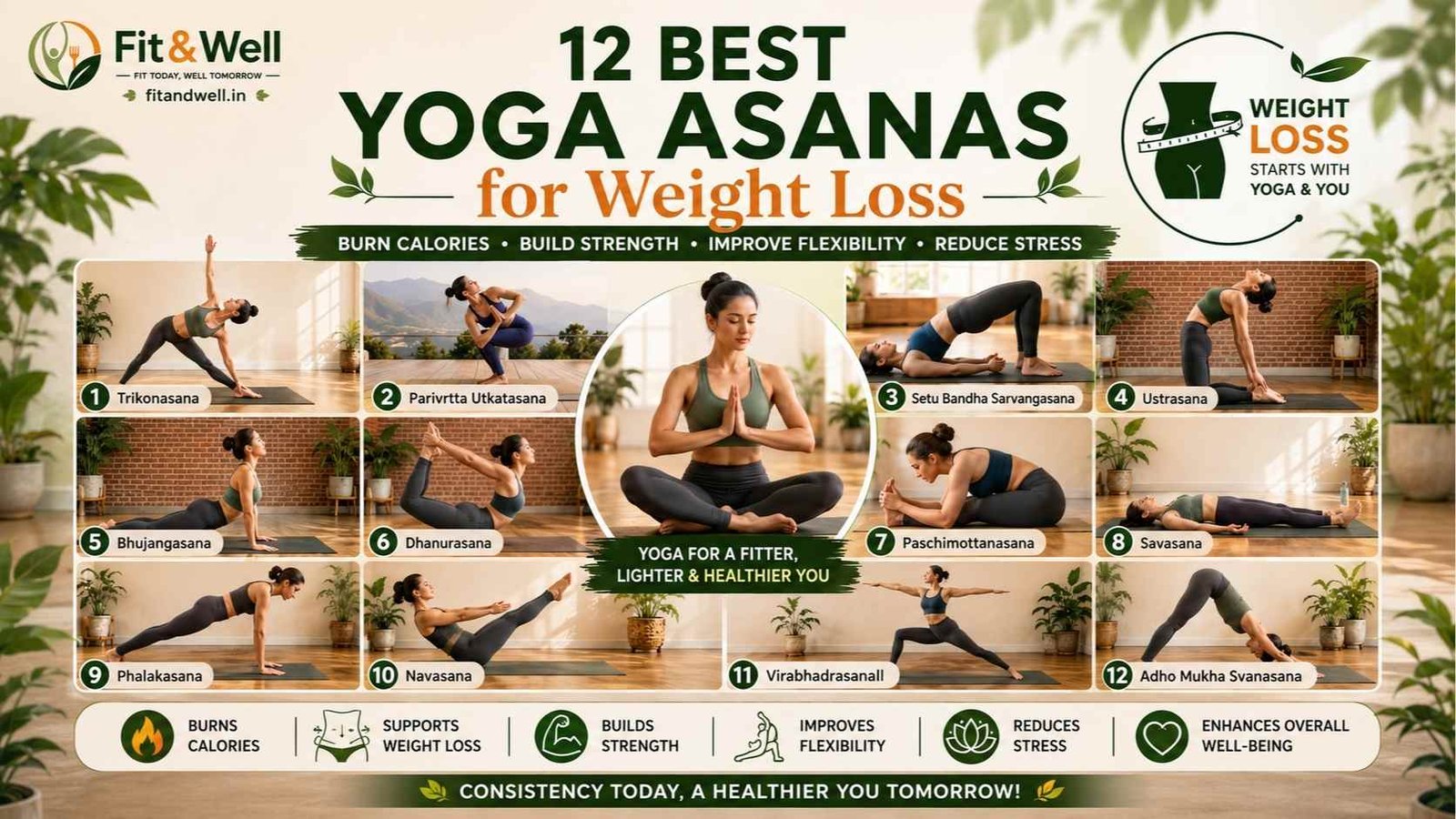
In this guide, you’ll discover 12 of the best yoga asanas for weight loss, how they work, their key benefits, and practical tips to perform them safely and effectively.
How Yoga Supports Weight Loss
Many people assume yoga is simply stretching. In reality, it combines strength training, mobility, breathing techniques, and mindfulness into a single practice.
While yoga alone is unlikely to produce dramatic weight loss, research suggests it can support healthy body composition in several ways:
- Builds lean muscle, which increases daily energy expenditure.
- Improves flexibility and mobility, making other forms of exercise easier.
- Reduces stress levels that may contribute to emotional eating.
- Encourages mindful eating habits and greater awareness of hunger cues.
- Improves sleep quality, an important factor in maintaining a healthy weight.
- Supports consistency by providing an enjoyable, sustainable form of exercise.
Breathing techniques such as Ujjayi breathing are commonly used in many yoga styles. They may help activate the body’s relaxation response, reducing stress and encouraging greater focus during practice. Although breathing exercises alone do not directly increase fat burning, managing chronic stress may indirectly support weight management by promoting healthier lifestyle habits.
The greatest advantage of yoga lies in its holistic nature. Instead of focusing solely on calorie burn, it encourages sustainable habits that improve physical fitness, mental well-being, and long-term health.
Clinical findings shared in the Harvard Medical School guide to yoga benefits prove that regular practice calms the nervous system, dropping cortisol levels rapidly. When stress decreases, your body naturally releases its hold on stubborn fat stores. Certain postures also stimulate the thyroid gland in the neck, which controls how fast your body processes food and burns energy.
The 12 Best Asanas for Weight Loss Journey
1. Surya Namaskar (Sun Salutation)
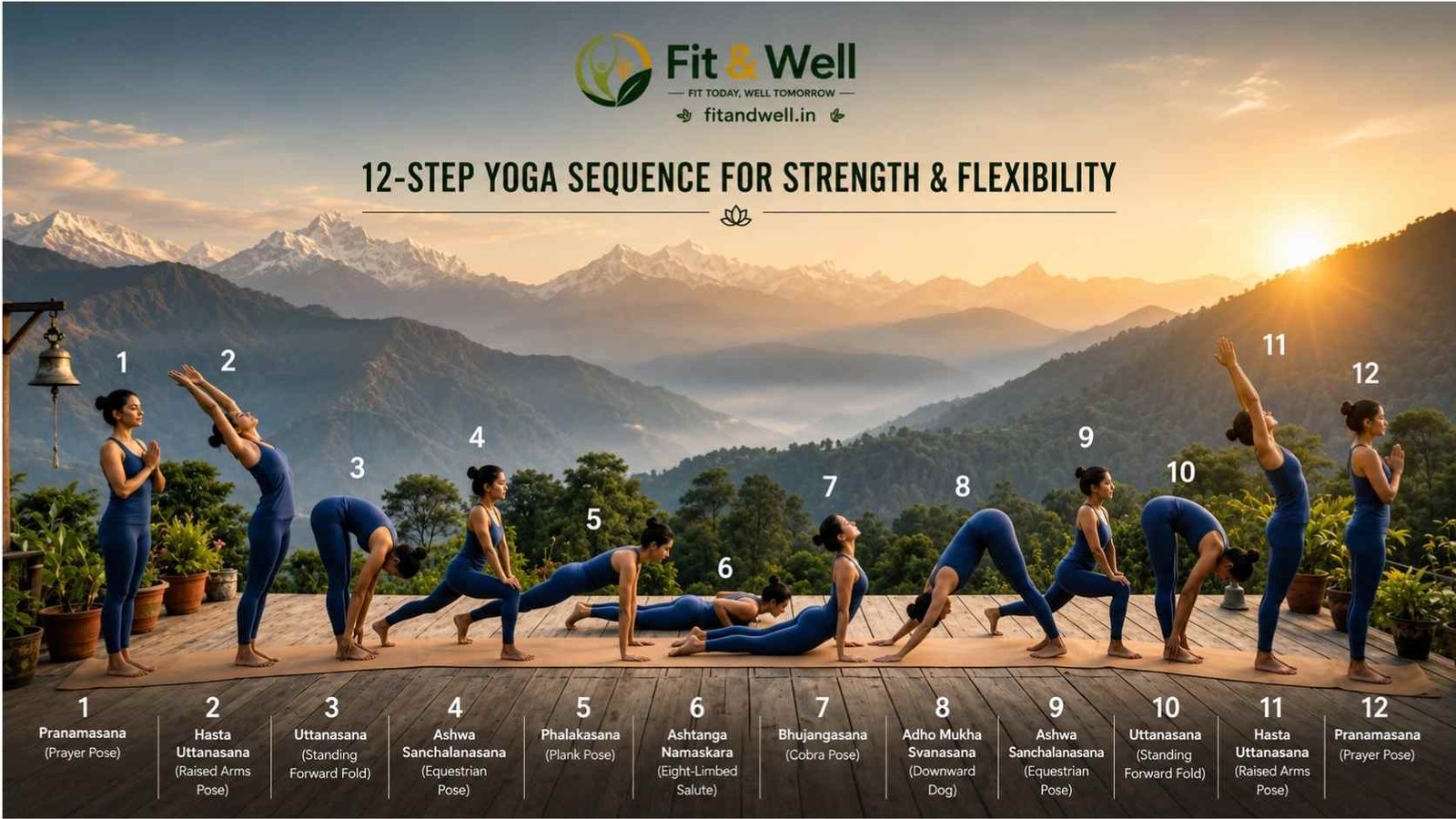
Surya Namaskar is one of the most effective yoga sequences for supporting weight loss. Rather than being a single pose, it combines 12 flowing movements that gently raise the heart rate, strengthen major muscle groups, and improve flexibility.
Practised at a steady pace, several rounds can provide a moderate cardiovascular workout while engaging the core, shoulders, arms, back, hips, and legs. The coordinated movement and breathing also improve circulation and prepare the body for the rest of the session.
Benefits
- Increases calorie expenditure through continuous movement.
- Strengthens the entire body.
- Improves flexibility and mobility.
- Enhances coordination and posture.
- Helps warm up the muscles before more challenging poses.
Primary muscles worked: Core, shoulders, chest, back, glutes, quadriceps, hamstrings and calves.
How to practise: Begin with four to six rounds if you’re new to yoga. As your fitness improves, gradually increase to eight to twelve rounds while maintaining smooth, controlled breathing.
Beginner tip: Focus on proper alignment rather than speed. A slower, controlled sequence is more effective than rushing through each movement.
2. Phalakasana (Plank Pose)
Plank Pose is one of yoga’s most effective strength-building postures. Although it appears simple, holding the position requires almost every major muscle group to work together to stabilise the body.
Developing muscular strength supports long-term weight management because muscle tissue requires more energy to maintain than fat tissue. A stronger core also improves posture and makes everyday movement more efficient.
Benefits
- Builds core strength and stability.
- Strengthens the shoulders, chest and arms.
- Improves balance and posture.
- Supports spinal stability.
- Enhances muscular endurance.
Primary muscles worked: Transverse abdominis, rectus abdominis, shoulders, chest, glutes and quadriceps.
How to practise: Position your wrists directly beneath your shoulders, keep your body in a straight line from head to heels, and engage your abdominal muscles. Hold for 20 to 60 seconds while breathing steadily.
Common mistake: Allowing the hips to sag places unnecessary strain on the lower back. Keep the core engaged throughout the pose.

3. Navasana (Boat Pose)
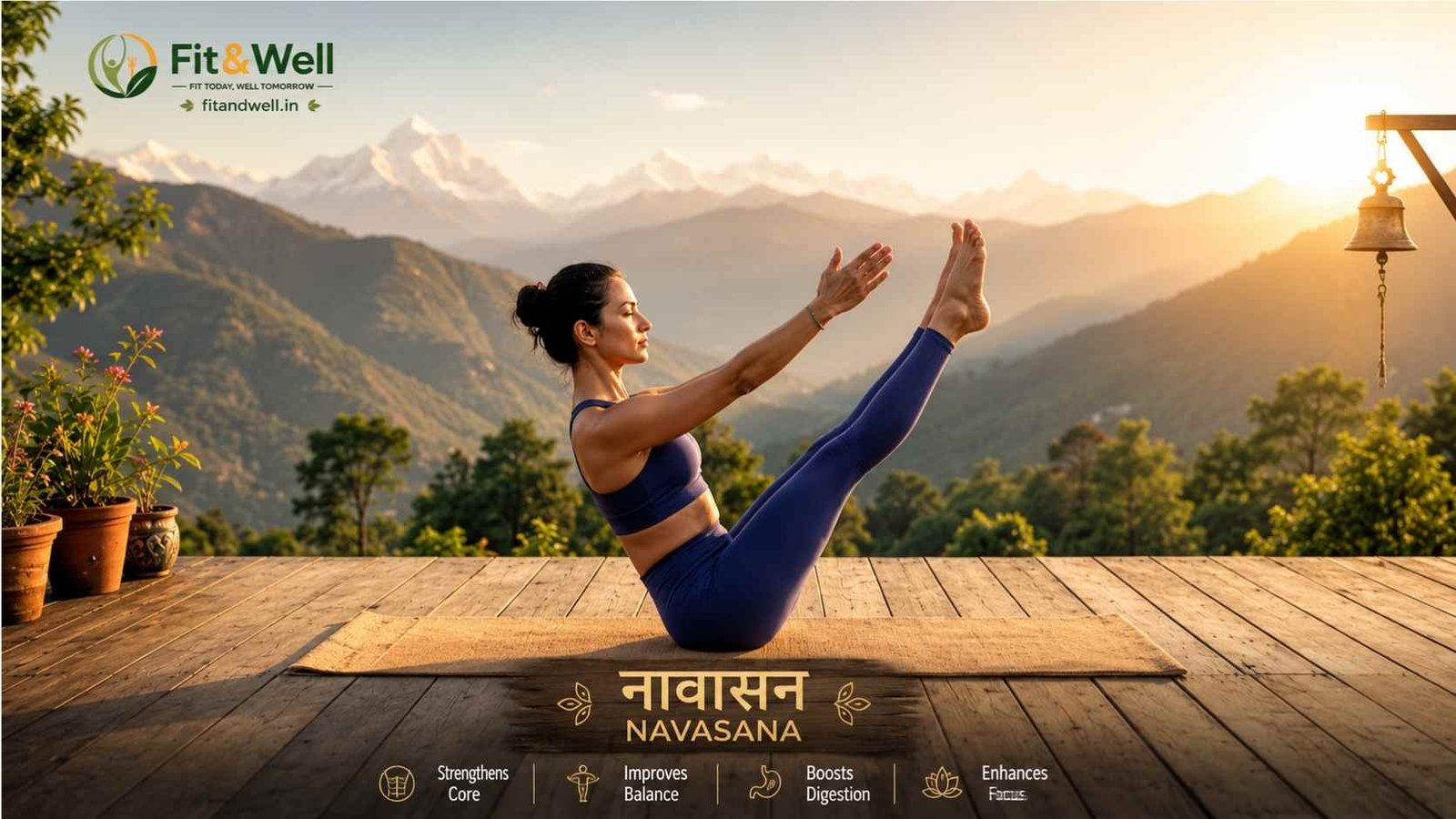
Navasana is one of the best yoga poses for developing core strength. Balancing on the sitting bones while lifting both the legs and torso challenges the abdominal muscles, hip flexors and lower back.
Although Boat Pose does not specifically burn belly fat, strengthening the core improves stability, posture and functional fitness. Combined with regular exercise and healthy eating, it contributes to overall body conditioning.
Benefits
- Strengthens the abdominal muscles.
- Improves balance and coordination.
- Builds hip flexor strength.
- Supports better posture.
- Encourages body awareness.
Primary muscles worked: Rectus abdominis, transverse abdominis, hip flexors and spinal stabilisers.
How to practise: Sit with your knees bent and feet on the floor. Lean back slightly while keeping the spine long, then lift the feet and extend the legs if comfortable. Reach the arms forward and hold for 20 to 30 seconds.
Beginner tip: Keep the knees bent until your core strength improves.
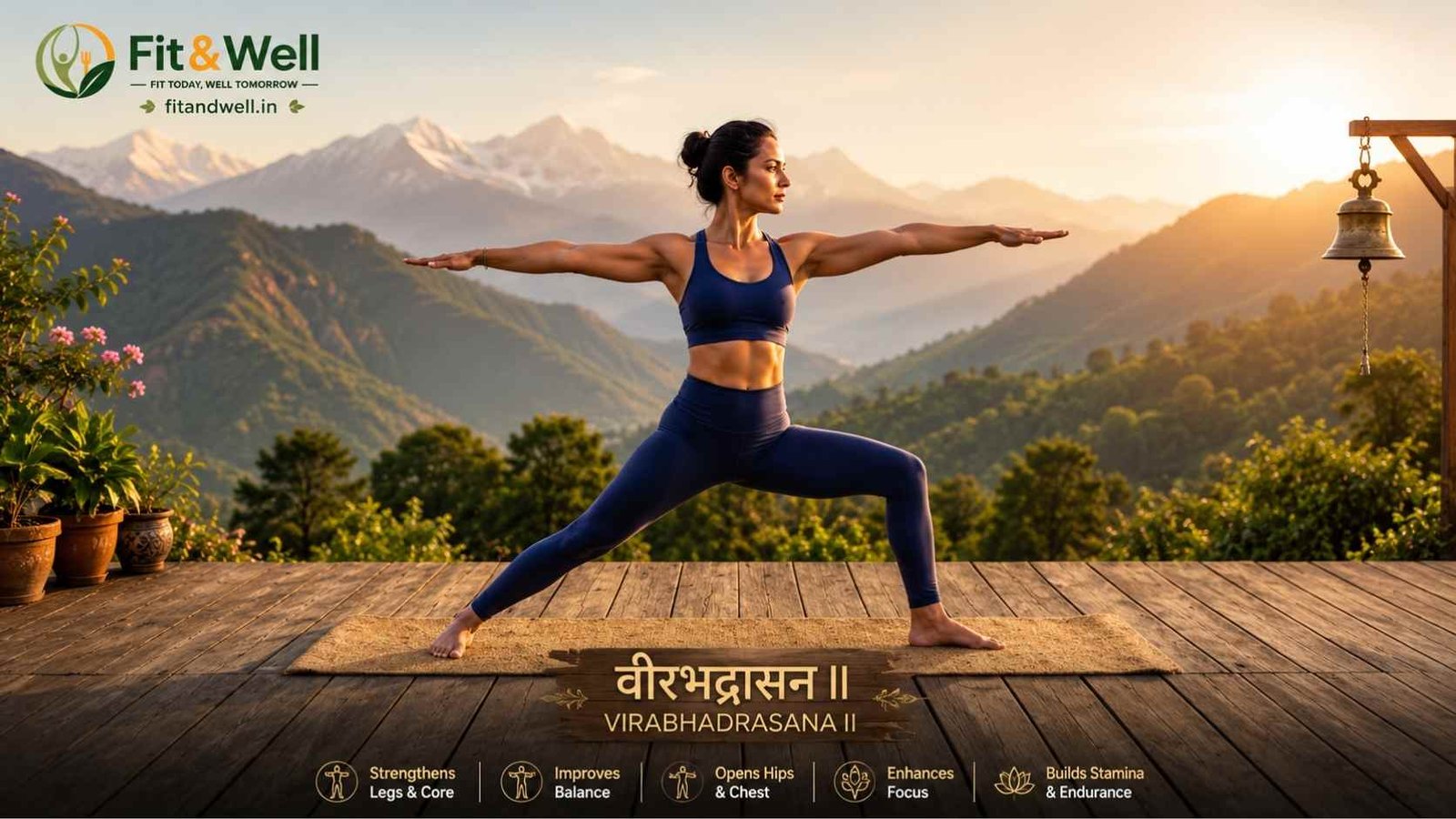
4. Virabhadrasana II (Warrior II Pose)
Warrior II develops lower-body strength, endurance and balance. Holding the posture engages large muscle groups in the legs and hips while strengthening the shoulders and core.
Because it recruits several major muscle groups simultaneously, Warrior II increases muscular endurance and contributes to overall calorie expenditure during a yoga session.
Benefits
- Strengthens the legs and glutes.
- Improves balance and stability.
- Increases hip mobility.
- Builds shoulder endurance.
- Encourages better posture and body alignment.
Primary muscles worked: Quadriceps, hamstrings, glutes, inner thighs, shoulders and core.
How to practise: Step the feet wide apart, bend the front knee until it aligns above the ankle, and extend both arms parallel to the floor. Keep the torso upright and look over the front hand while breathing steadily.
Common mistake: Allowing the front knee to collapse inward. Keep it aligned with the second toe to reduce stress on the knee joint.
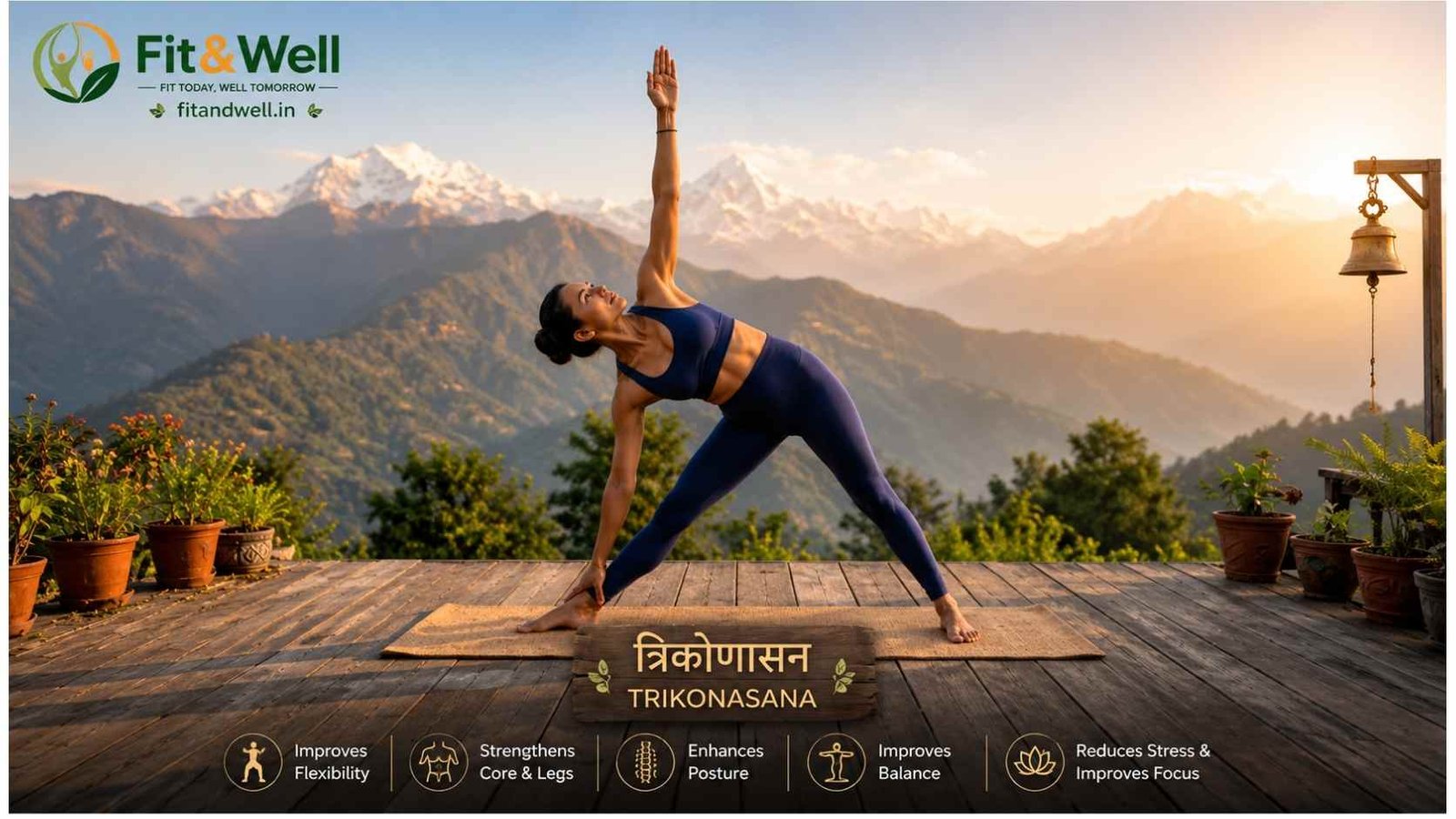
5. Trikonasana (Triangle Pose)
Trikonasana is a classic standing yoga pose that improves flexibility, balance, and core stability. The deep side stretch lengthens the hamstrings, hips, and spine while engaging the obliques and abdominal muscles to maintain alignment.
Although Triangle Pose is not a high-calorie-burning exercise, it strengthens the body’s stabilising muscles and enhances mobility, making it easier to perform more demanding physical activities.
Benefits
- Strengthens the core and legs.
- Improves flexibility in the hips, hamstrings, and spine.
- Enhances balance and posture.
- Increases mobility in the shoulders and chest.
- Encourages better body awareness.
Primary muscles worked: Obliques, hamstrings, quadriceps, glutes, hip adductors, shoulders and spinal muscles.
How to practise: Stand with your feet wide apart. Turn one foot outwards and extend your arms parallel to the floor. Hinge at the hip and lower one hand towards your shin, ankle or the floor while reaching the opposite arm towards the ceiling. Keep your chest open and avoid collapsing into the supporting side.
Beginner tip: Rest your lower hand on your shin or a yoga block if reaching the floor affects your alignment.
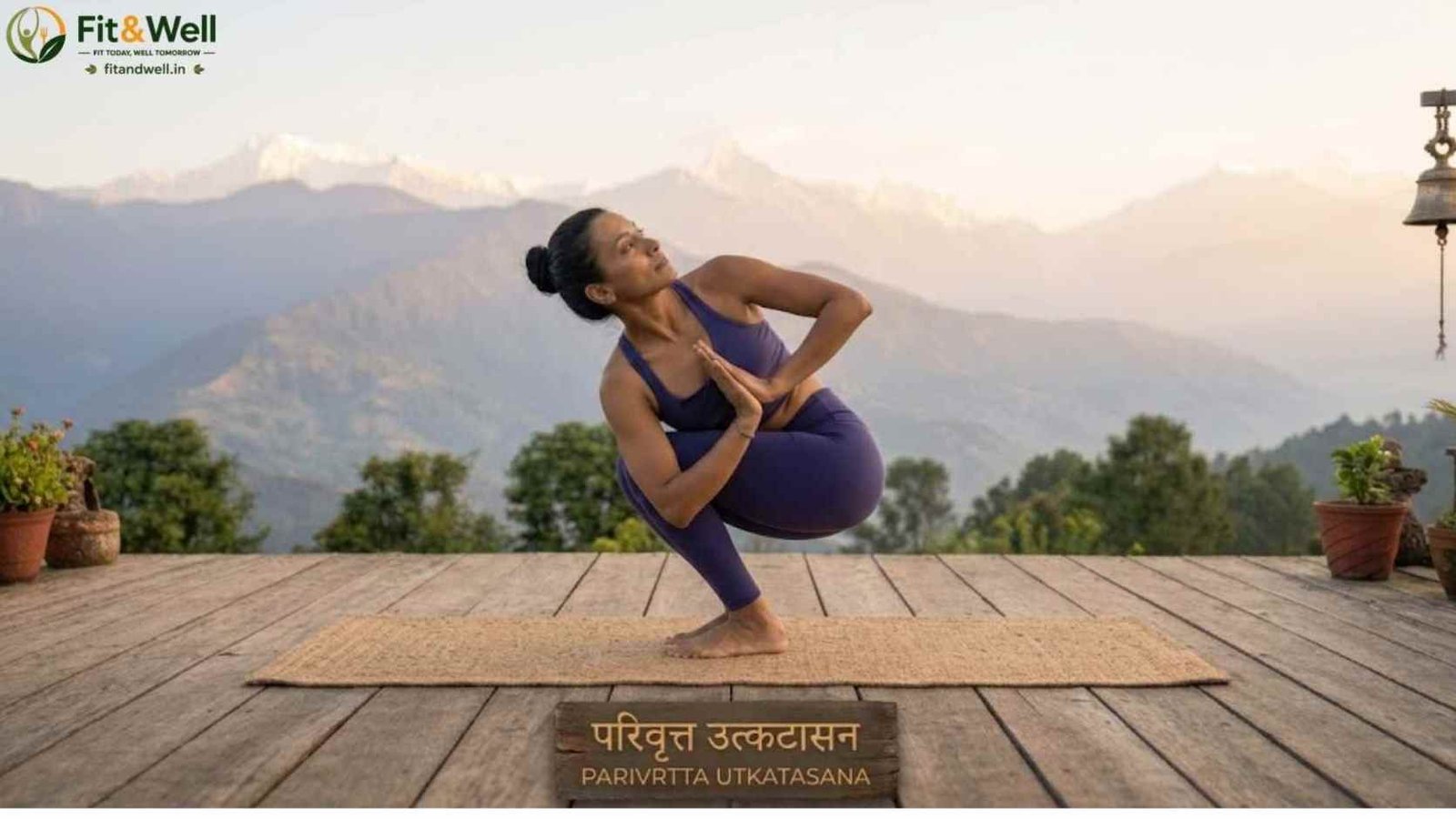
6. Parivrtta Utkatasana (Revolved Chair Pose)
Revolved Chair Pose combines lower-body strength with spinal rotation, making it one of the more challenging standing yoga postures. Holding the squat activates the quadriceps and glutes, while the twist engages the abdominal muscles to improve balance and stability.
The twisting movement also encourages spinal mobility and body awareness. While yoga twists are often associated with “detoxification”, there is no evidence that they remove toxins from the body. Their primary benefit lies in improving flexibility, posture, and controlled movement.
Benefits
- Strengthens the legs and glutes.
- Activates the core muscles.
- Improves balance and coordination.
- Enhances spinal mobility.
- Develops muscular endurance.
Primary muscles worked: Quadriceps, glutes, calves, obliques, spinal stabilisers and shoulders.
How to practise: Begin in Chair Pose with your knees bent and hips lowered. Bring your palms together at your chest and rotate your torso, placing one elbow outside the opposite knee. Keep your spine long and avoid rounding your back.
Common mistake: Twisting from the shoulders instead of the torso. Initiate the movement from your core while keeping the hips level.
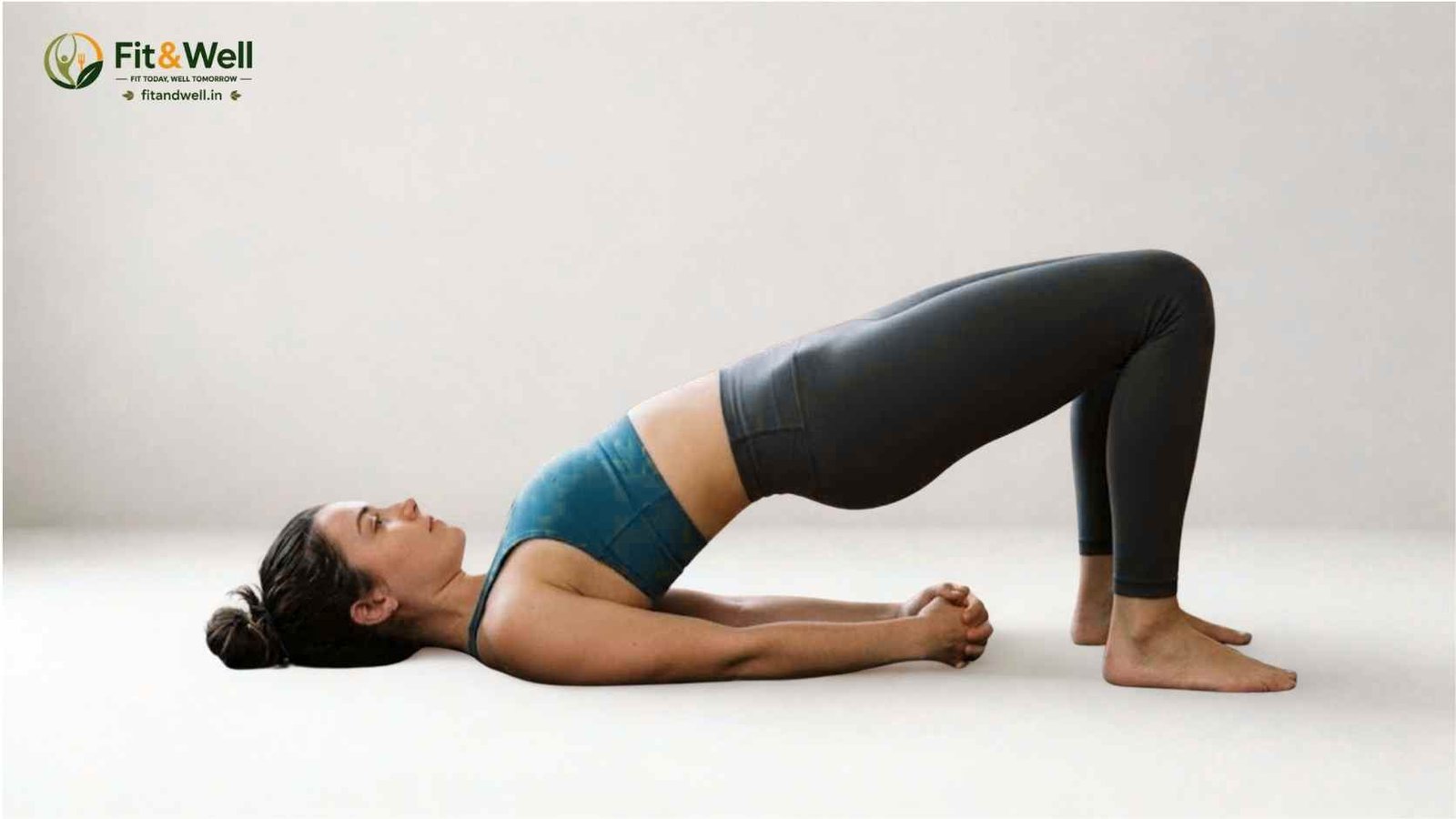
7. Setu Bandha Sarvangasana (Bridge Pose)
Bridge Pose strengthens the muscles along the back of the body while gently opening the chest and hips. It is particularly beneficial for people who spend long hours sitting, as it helps counteract tight hip flexors and poor posture.
The pose also encourages spinal mobility and strengthens the glutes, hamstrings and lower back, all of which contribute to better movement and overall fitness.
Benefits
- Strengthens the glutes and hamstrings.
- Supports lower back stability.
- Opens the chest and shoulders.
- Improves hip mobility.
- Encourages better posture.
Primary muscles worked: Glutes, hamstrings, lower back, core and calves.
How to practise: Lie on your back with your knees bent and feet hip-width apart. Press through your heels to lift your hips until your body forms a straight line from your shoulders to your knees. Hold the position while breathing steadily before lowering with control.
Beginner tip: Avoid lifting the hips too high. Focus on engaging the glutes rather than arching the lower back excessively.
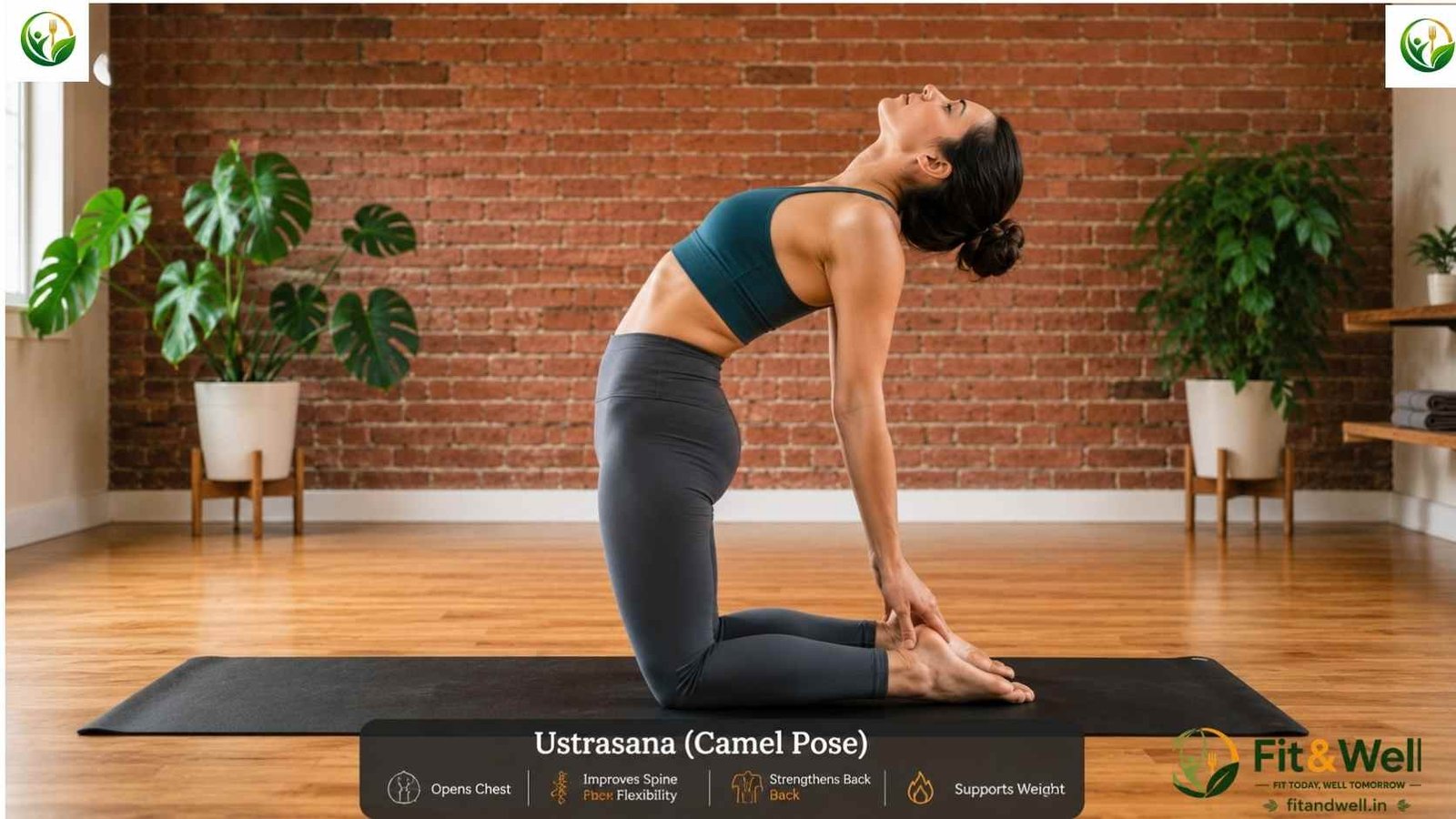
8. Ustrasana (Camel Pose)
Camel Pose is a deep backbend that stretches the front of the body while strengthening the back muscles. It opens the chest, lengthens the hip flexors, and improves spinal flexibility, making it an excellent counterbalance to prolonged sitting.
Because the pose requires strength as well as flexibility, it should be approached gradually, particularly by beginners or anyone with a history of back discomfort.
Benefits
- Improves spinal flexibility.
- Opens the chest and shoulders.
- Stretches the hip flexors and thighs.
- Strengthens the back muscles.
- Encourages better posture.
Primary muscles worked: Spinal extensors, glutes, quadriceps, hip flexors, abdominal muscles and shoulders.
How to practise: Kneel with your knees hip-width apart and place your hands on your lower back for support. Lift your chest, gently arch backwards, and only reach for your heels if you can do so comfortably without compressing your lower back.
Common mistake: Dropping the head backwards without lifting the chest first. Lengthen through the spine before deepening the backbend to protect the neck and lower back.
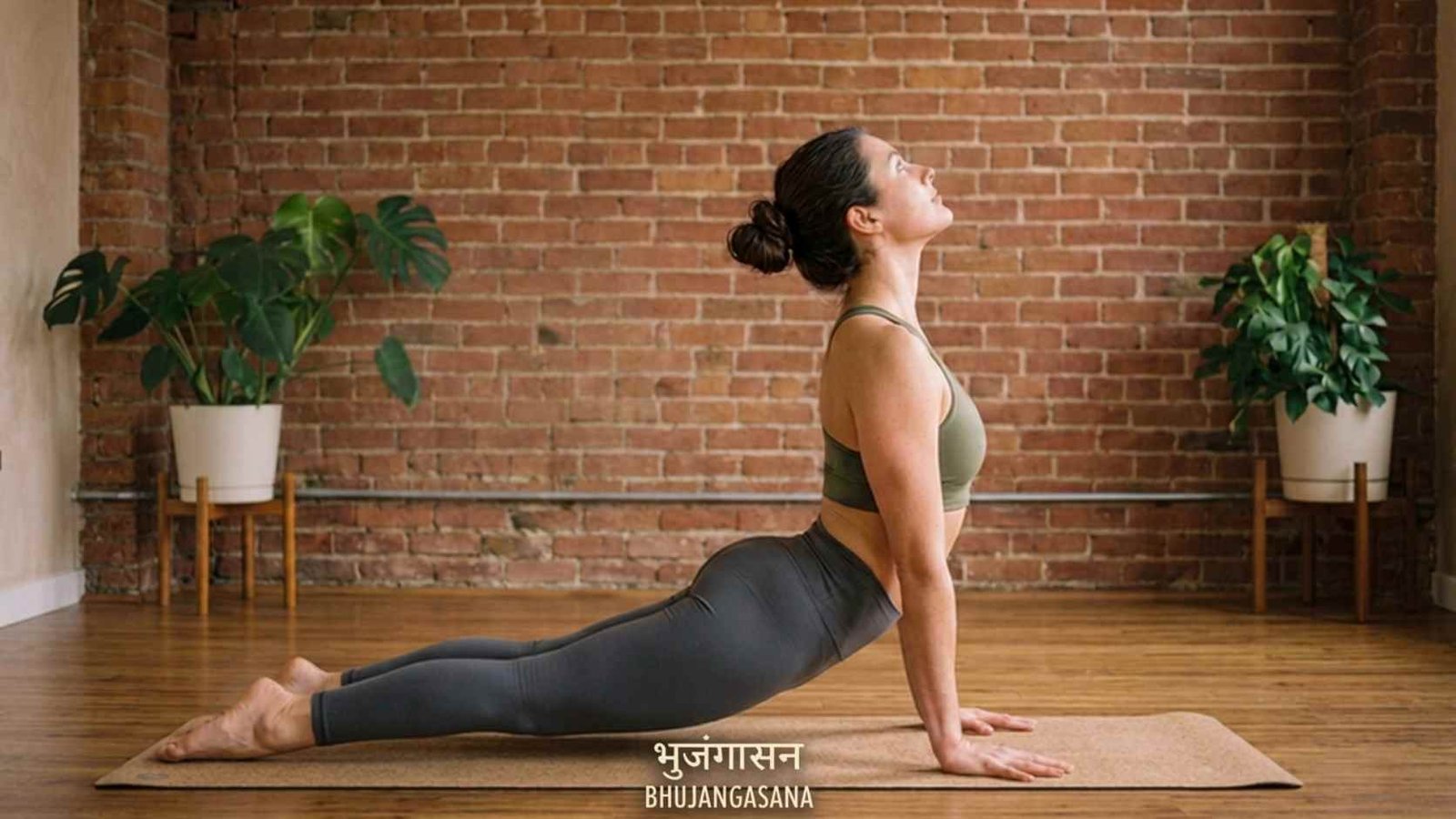
9. Bhujangasana (Cobra Pose)
Bhujangasana, or Cobra Pose, is a gentle backbend that strengthens the muscles supporting the spine while stretching the chest, shoulders, and abdomen. It is particularly beneficial for people who spend long hours sitting, as it helps improve posture and reduce stiffness in the upper body.
Although Cobra Pose is not designed to burn a significant number of calories, strengthening the back and improving mobility can make it easier to stay active and perform other forms of exercise safely.
Benefits
- Strengthens the lower back and spinal muscles.
- Improves posture.
- Opens the chest and shoulders.
- Increases spinal flexibility.
- Helps relieve stiffness caused by prolonged sitting.
Primary muscles worked: Lower back, glutes, shoulders, triceps and abdominal muscles.
How to practise: Lie face down with your hands beneath your shoulders. Press the tops of your feet into the mat and gently lift your chest using the strength of your back rather than pushing excessively with your arms. Keep your elbows slightly bent and your shoulders relaxed.
Beginner tip: Lift only as high as feels comfortable. A small backbend performed correctly is more beneficial than forcing a deeper stretch.
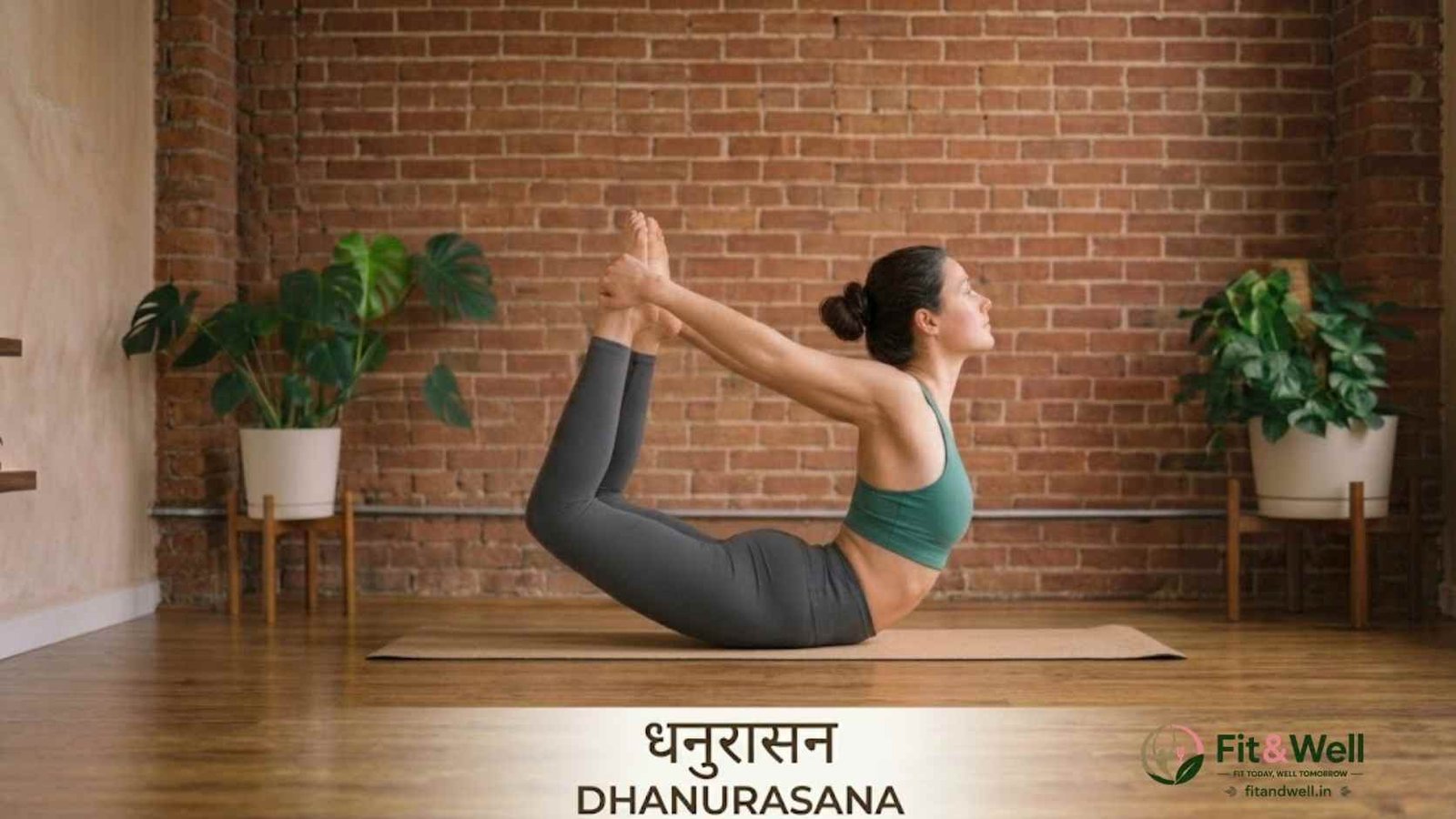
10. Dhanurasana (Bow Pose)
Bow Pose is an intermediate yoga posture that combines a backbend with a deep stretch across the front of the body. By lifting both the chest and legs off the floor, it activates the back, glutes, hamstrings, and core while improving spinal mobility.
The pose also challenges balance and coordination, making it an excellent full-body strengthening exercise.
Benefits
- Strengthens the back, glutes and legs.
- Improves flexibility throughout the front of the body.
- Enhances balance and coordination.
- Encourages better posture.
- Develops overall body strength.
Primary muscles worked: Back extensors, glutes, hamstrings, quadriceps, shoulders and core.
How to practise: Lie on your stomach, bend your knees and hold your ankles. As you inhale, gently kick your feet into your hands while lifting your chest and thighs from the floor. Keep the movement smooth and avoid straining your neck.
Common mistake: Pulling with the arms instead of using the legs to create the lift. Press the feet backwards to distribute the effort evenly throughout the body.
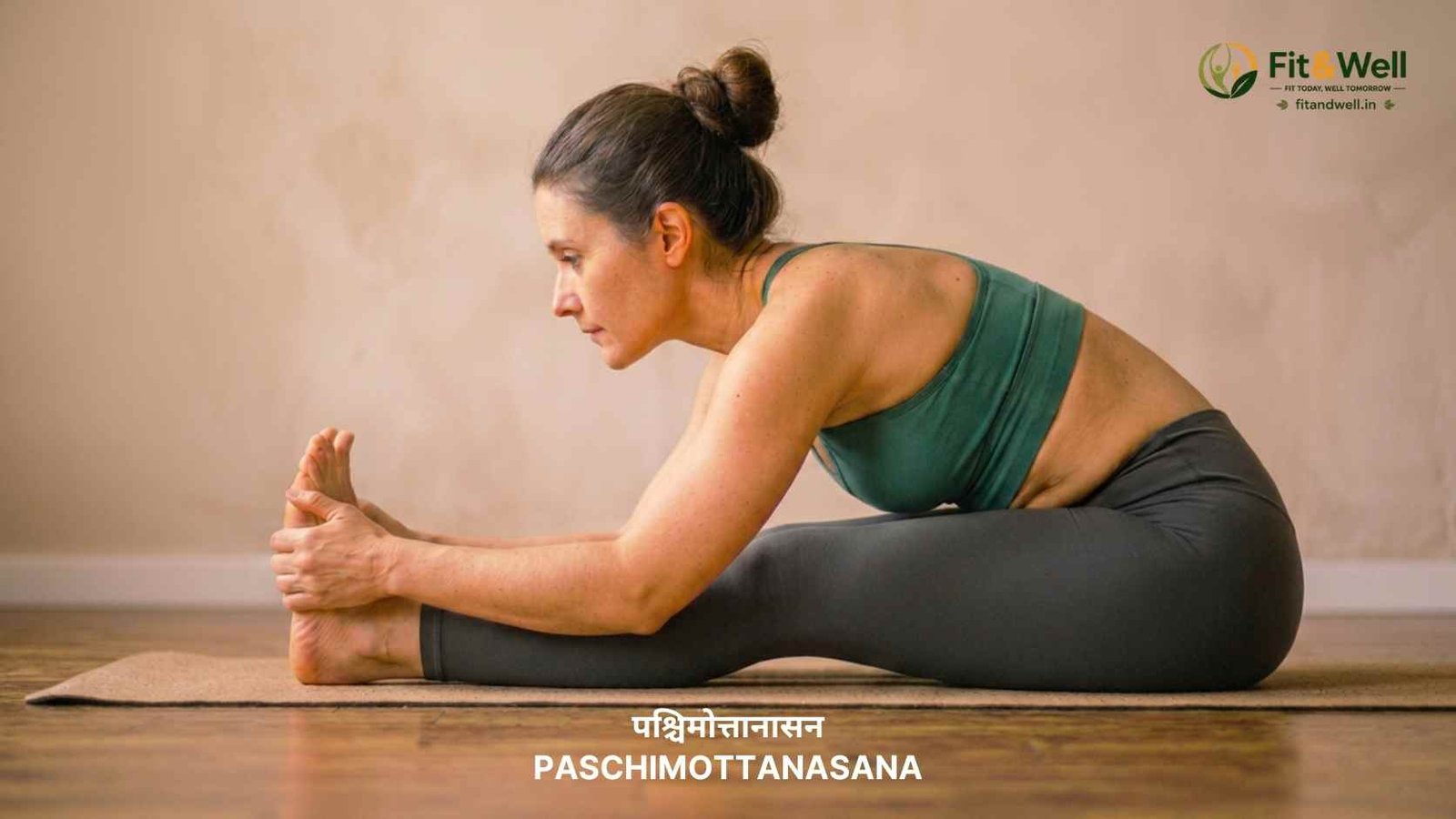
11. Paschimottanasana (Seated Forward Bend)
Paschimottanasana is a calming seated forward fold that stretches the entire back of the body, including the hamstrings, calves and lower back. It also encourages relaxation, making it an excellent pose to include towards the end of a yoga session.
Forward bends may help reduce muscle tension and improve flexibility when practised consistently. They also encourage slow, controlled breathing, which can support relaxation after more demanding poses.
Benefits
- Improves hamstring flexibility.
- Gently stretches the spine.
- Encourages relaxation.
- Helps reduce muscle tension.
- Supports recovery after more active poses.
Primary muscles worked: Hamstrings, calves, lower back and spinal muscles.
How to practise: Sit with your legs extended in front of you. Hinge forward from your hips while keeping your spine long, and reach towards your feet or shins. Relax into the stretch without forcing the movement.
Beginner tip: Bend your knees slightly if your hamstrings feel tight. Maintaining a straight spine is more important than touching your toes.
12. Savasana (Corpse Pose)
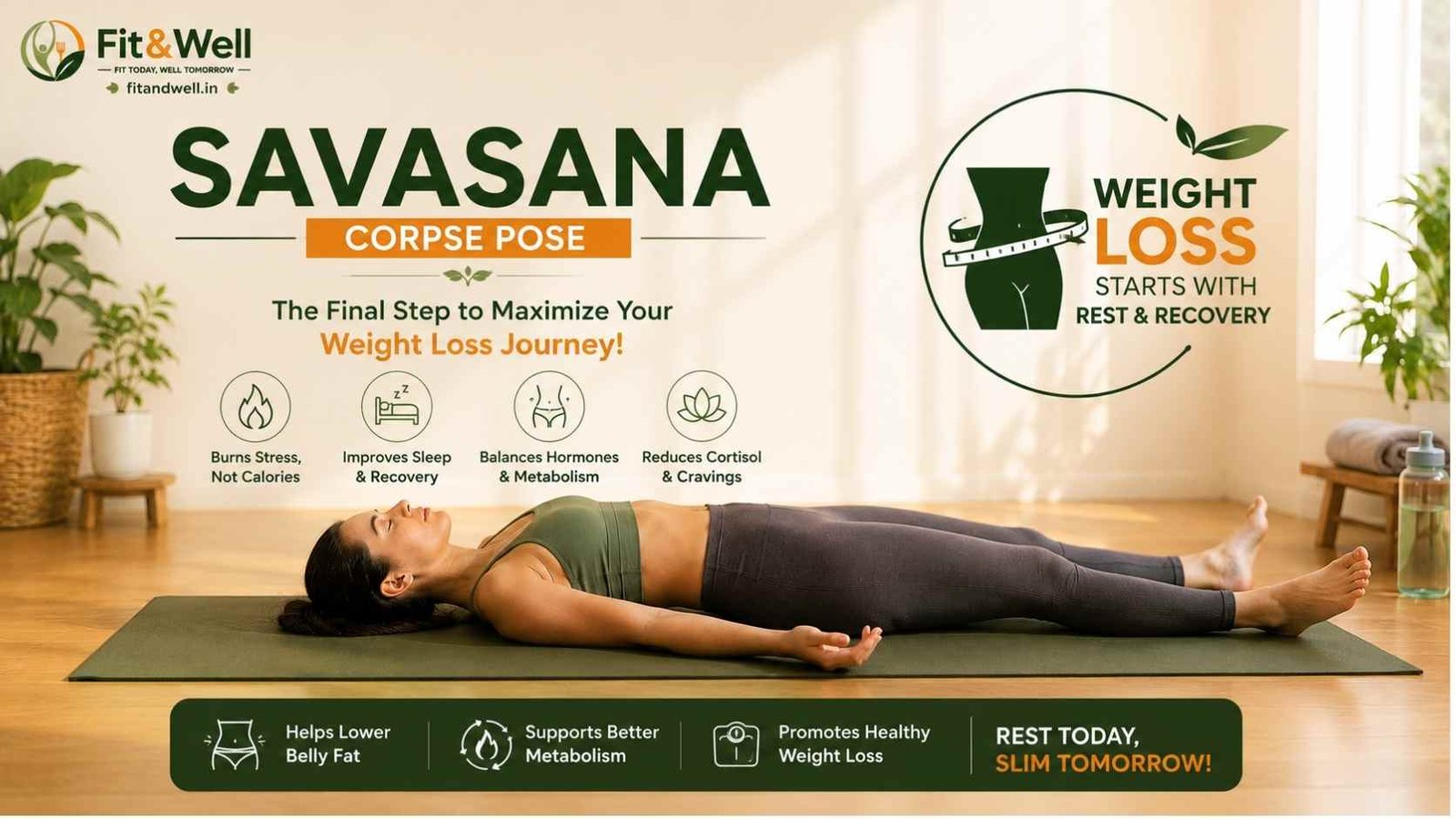
Although it involves no physical effort, Savasana is one of the most important parts of any yoga practice. It allows the body to recover, the breathing to slow naturally, and the mind to settle after movement.
Many people are tempted to skip this final relaxation, but taking five to ten minutes to rest may help reduce stress, improve mindfulness, and leave you feeling refreshed. These benefits can make it easier to maintain a consistent exercise routine over the long term.
Benefits
- Promotes deep relaxation.
- Helps reduce stress.
- Encourages mindful breathing.
- Supports recovery after exercise.
- Completes the yoga practice both physically and mentally.
Primary focus: Full-body relaxation, breathing awareness and mental recovery.
How to practise: Lie comfortably on your back with your legs slightly apart and your arms resting by your sides, palms facing upwards. Close your eyes, breathe naturally, and allow your body to relax completely for five to ten minutes.
Remember: Rest is an essential part of progress. Finishing your practice with Savasana allows both the body and mind to absorb the benefits of the session before returning to daily activities.
Yoga vs Cardio for Weight Loss: Which Is Better?
Yoga and traditional cardio exercise each offer unique benefits for weight loss. Rather than viewing them as competing approaches, it’s more helpful to see them as complementary.
Cardio activities such as brisk walking, running, cycling, and swimming generally burn more calories during the workout itself. They are excellent for improving cardiovascular fitness and creating the calorie deficit needed for fat loss.
Yoga, on the other hand, contributes in different ways. Regular practice builds strength, improves flexibility, enhances balance, and supports recovery. It may also help reduce stress, improve sleep quality, and encourage mindful eating habits, all of which play an important role in maintaining a healthy weight.
For many people, the most effective approach is to combine both forms of exercise. Cardio helps increase calorie expenditure, while yoga improves mobility, reduces injury risk, and supports long-term consistency.
Quick Comparison
| Yoga | Traditional Cardio |
|---|---|
| Builds strength and flexibility | Burns more calories per session |
| Improves balance and mobility | Improves cardiovascular fitness |
| Helps manage stress | Increases aerobic endurance |
| Supports recovery | Creates a larger calorie deficit |
| Encourages long-term consistency | Ideal for improving stamina |
How to Create a Sustainable Yoga Routine
Consistency is far more important than intensity. A 20 to 30-minute practice performed several times each week is more effective than an occasional, lengthy session.
A balanced beginner-friendly routine might look like this:
- Warm-up: 5 to 10 minutes of Surya Namaskar.
- Strength: Plank Pose, Warrior II, and Chair Pose variations.
- Core: Boat Pose.
- Flexibility: Triangle Pose, Cobra Pose, Camel Pose, and Seated Forward Bend.
- Recovery: Finish with 5 to 10 minutes of Savasana.
Aim to practise at least three to five times each week. As your strength and confidence improve, gradually increase the duration or explore more dynamic yoga styles such as Vinyasa or Power Yoga.
Tips to Maximise Weight Loss with Yoga
Yoga delivers the best results when it forms part of a healthy lifestyle.
- Combine yoga with a balanced, nutrient-rich diet.
- Stay physically active throughout the day.
- Include regular strength training or cardio where possible.
- Prioritise seven to nine hours of quality sleep each night.
- Stay hydrated before and after your practice.
- Focus on consistency rather than perfection.
Remember, sustainable weight loss is gradual. Healthy habits maintained over time produce far better results than quick fixes.
Safety Tips
Yoga is suitable for most people, but practising safely is essential.
- Warm up before attempting deeper stretches.
- Never force a pose beyond your comfortable range of motion.
- Breathe steadily throughout each movement.
- Stop immediately if you experience sharp or persistent pain.
- Modify poses if you have existing injuries or limited mobility.
- Seek advice from a qualified healthcare professional before starting a new exercise programme if you have a medical condition or are pregnant.
Listening to your body is one of the most valuable skills yoga teaches.
If you’re looking to build a complete fitness routine beyond yoga, explore our collection of fitness guides and workout tips to discover more exercises, training plans, and healthy lifestyle advice.
Frequently Asked Questions
Can yoga help you lose belly fat?
Yoga cannot reduce fat from one specific area of the body. However, regular practice can support overall fat loss when combined with a healthy diet and an active lifestyle.
Which type of yoga is best for weight loss?
Dynamic styles such as Vinyasa, Power Yoga and Ashtanga generally burn more calories than slower, restorative styles. However, any form of yoga practised consistently can contribute to improved fitness and healthy weight management.
How often should I practise yoga to lose weight?
Aim for at least three to five sessions each week, lasting 20 to 60 minutes. Consistency is more important than occasional intense workouts.
Is yoga better than going to the gym?
Neither is inherently better. The best choice depends on your goals, preferences, and fitness level. Many people benefit from combining yoga with strength training and cardiovascular exercise.
How long does it take to see results?
Some people notice improvements in flexibility, posture, and energy levels within a few weeks. Changes in body composition typically take longer and depend on factors such as diet, activity levels, sleep, and overall consistency.
Final Thoughts
Yoga offers much more than a workout. It strengthens the body, improves flexibility, supports mental well-being, and encourages healthy habits that are easier to maintain over the long term.
While it is not a magic solution for weight loss, regular yoga practice can become an important part of a sustainable fitness routine. Combined with nutritious eating, regular movement, and adequate rest, these 12 yoga asanas can help you build strength, improve mobility, and support your overall health.
The most important step is simply getting started. Roll out your mat, practise consistently, and focus on gradual progress rather than perfection. Over time, those small daily efforts can lead to meaningful and lasting results.