
Medical Disclaimer: This guide is for educational purposes only and is not a substitute for professional medical advice, diagnosis, or treatment. If you or someone you know has thoughts of self-harm or suicide, seek immediate help from emergency services or a mental health crisis service.
Depression Is More Than “Feeling Sad”
Everyone experiences sadness, disappointment, or grief at some point. These emotions are a normal part of being human and often improve with time.
Depression, also known as major depressive disorder (MDD) or clinical depression, is different. It is a medical condition that affects how you think, feel, behave, sleep, eat, and function in daily life. To meet diagnostic criteria, symptoms generally persist most of the day, nearly every day, for at least two weeks, and significantly interfere with work, school, relationships, or other areas of life.
Depression can affect anyone regardless of age, gender, income, or background. While it is common, it is also one of the most treatable mental health conditions when recognised early and managed appropriately.
Why Depression Matters in India
Mental health challenges are increasingly recognised as a major public health issue in India. According to the World Health Organisation’s India office, approximately one in 20 Indians experiences depression, and many more require support for other mental health conditions. Unfortunately, stigma, lack of awareness, and limited access to mental health professionals continue to delay diagnosis and treatment for many people.
Common barriers include:
- Fear of being judged
- Misunderstanding depression as “weakness”
- Limited access to specialists in rural areas
- Financial concerns
- Delayed recognition of symptoms
Fortunately, India has expanded access to mental health support through initiatives such as Tele-MANAS, a government-supported tele-mental health service that offers confidential counselling and referral pathways.
What Is Depression?
Depression is a complex disorder resulting from the interaction of biological, psychological, and social factors. It is not caused by a single event or personal failure.
People living with depression often describe it as:
- Feeling emotionally numb
- Losing interest in activities they once enjoyed
- Having little energy even after rest
- Finding everyday tasks overwhelming
- Feeling hopeless about the future
Unlike temporary sadness, depression can persist for weeks, months, or longer without appropriate treatment.
Common Symptoms of Depression
Symptoms vary from person to person. Some people experience only a few, while others have many symptoms simultaneously.
Emotional Symptoms
People with depression may experience:
- Persistent sadness
- Feeling empty
- Hopelessness
- Excessive guilt
- Irritability
- Frequent crying
- Feeling emotionally “flat”
- Loss of interest in hobbies and relationships
Cognitive Symptoms
Depression also affects thinking.
Common cognitive symptoms include:
- Poor concentration
- Memory difficulties
- Indecisiveness
- Slowed thinking
- Negative self-talk
- Difficulty planning or organising
- Trouble making even simple decisions
Physical Symptoms
Depression is not only emotional—it can cause physical symptoms such as:
- Fatigue
- Low energy
- Sleep disturbances (sleeping too much or too little)
- Changes in appetite
- Weight gain or weight loss
- Unexplained body aches
- Headaches
- Digestive complaints
These physical symptoms are genuine and can be among the first signs that prompt people to seek medical care.
Behavioral Symptoms
Behavioural changes may include:
- Social withdrawal
- Reduced productivity
- Neglecting personal hygiene
- Avoiding responsibilities
- Increased alcohol or substance use
- Reduced physical activity
Depression Symptom Checklist
| Symptom | Common in Depression? |
| Persistent sadness | ✅ |
| Loss of interest in enjoyable activities | ✅ |
| Fatigue | ✅ |
| Sleep problems | ✅ |
| Appetite changes | ✅ |
| Difficulty concentrating | ✅ |
| Feelings of worthlessness | ✅ |
| Hopelessness | ✅ |
| Thoughts of death or suicide | ✅ (requires urgent attention) |
If several of these symptoms have been present for more than two weeks and are affecting daily functioning, it’s important to seek evaluation from a qualified healthcare professional.
When Should You Seek Medical Help?
Many people wait months before asking for help, hoping symptoms will resolve on their own.
Consider consulting a healthcare professional if:
- Symptoms persist for more than two weeks.
- Work or academic performance declines.
- Relationships are affected.
- You stop enjoying activities you once valued.
- You feel hopeless most days.
- You have recurrent thoughts of death or self-harm.
Early treatment is associated with better outcomes and may reduce the risk of symptoms becoming more severe.
If you have thoughts of harming yourself or feel that you are in immediate danger, contact your local emergency services or a mental health crisis service immediately.
What Causes Depression?
There is no single cause of depression. Instead, it develops through a combination of interacting factors.
1. Biological Factors
Biological contributors include:
- Genetics and family history
- Changes in brain chemistry
- Hormonal changes
- Chronic medical conditions
- Neurological disorders
Having a family history of depression may increase risk, but it does not guarantee that someone will develop the condition.
2. Psychological Factors
Certain psychological traits or experiences may increase vulnerability, including:
- Chronic stress
- Low self-esteem
- Childhood trauma
- Abuse
- Persistent negative thinking patterns
- Difficulty coping with adversity
3. Social and Environmental Factors
Life events can contribute to depression, such as:
- Bereavement
- Divorce or relationship breakdown
- Job loss
- Financial hardship
- Academic pressure
- Social isolation
- Caregiving responsibilities
These events do not always cause depression, but they can act as triggers in vulnerable people.
4. Medical Conditions
Depression may occur alongside or be influenced by:
- Diabetes
- Heart disease
- Cancer
- Thyroid disorders
- Chronic pain
- Parkinson’s disease
- Stroke
Treating both the physical condition and depression often leads to better overall outcomes.
5. Lifestyle Factors
Certain habits may increase the risk or worsen symptoms:
- Poor sleep
- Physical inactivity
- Excessive alcohol use
- Substance misuse
- Poor nutrition
- Chronic stress
Lifestyle changes alone do not cure depression, but can support recovery when combined with appropriate treatment.
Who Is at Higher Risk?
Risk factors include:
- Family history of depression
- Previous depressive episodes
- Anxiety disorders
- Chronic illness
- Pregnancy and postpartum period
- Older age with social isolation
- Substance use disorders
- Major life stressors
- Exposure to violence or trauma
Having one or more risk factors does not mean someone will definitely develop depression, but awareness can encourage earlier support.
Key Takeaways
- Depression is a treatable medical condition, not a sign of weakness.
- Symptoms usually persist for at least two weeks and interfere with daily life.
- Depression affects emotional, cognitive, physical, and behavioural health.
- It results from a combination of biological, psychological, and social factors.
- Early recognition and treatment improve the chances of recovery.
Types of Depression
Depression is not a single condition. Mental health professionals recognise several forms of depressive disorders, each with different characteristics, triggers, and treatment approaches. Identifying the correct type helps guide the most appropriate care. The Diagnostic and Statistical Manual of Mental Disorders (DSM-5-TR) and the International Classification of Diseases (ICD-11) provide standardised diagnostic criteria used by clinicians worldwide.
1. Major Depressive Disorder (MDD)
Major Depressive Disorder, also called clinical depression, is the most common form.
People with MDD experience symptoms such as:
- Persistent sadness
- Loss of interest or pleasure
- Fatigue
- Difficulty concentrating
- Changes in sleep or appetite
- Feelings of worthlessness or guilt
- Thoughts of death or suicide
Symptoms generally persist for at least two weeks, significantly affecting daily functioning. Depressive episodes may occur once or recur throughout a person’s lifetime. Early recognition and appropriate treatment can reduce symptom severity, improve recovery, and lower the risk of future episodes, according to the World Health Organisation’s depression fact sheet and the National Institute of Mental Health’s guide to depression
2. Persistent Depressive Disorder (Dysthymia)
Persistent Depressive Disorder (PDD), formerly known as dysthymia, involves a chronic depressed mood lasting at least two years in adults (or one year in children and adolescents).
Symptoms are often less severe than MDD but more prolonged.
People may say things like:
- “I’ve always felt this way.”
- “I can function, but I never really feel happy.”
Because symptoms develop gradually, many individuals mistakenly believe this low mood is simply part of their personality, delaying diagnosis and treatment.
3. Seasonal Affective Disorder (SAD)
Seasonal Affective Disorder is a pattern of depression associated with seasonal changes, typically during the winter months when daylight hours decrease.
Although more common in countries with long winters, seasonal mood changes can still occur in India, especially in northern regions or among individuals with limited sunlight exposure.
Common features include:
- Increased sleep
- Low energy
- Carbohydrate cravings
- Weight gain
- Reduced motivation
4. Postpartum Depression
Postpartum depression develops after childbirth and affects emotional, physical, and mental well-being.
Unlike the short-lived “baby blues,” postpartum depression is more severe and persistent.
Symptoms may include:
- Persistent sadness
- Anxiety
- Difficulty bonding with the baby
- Sleep disturbances beyond normal infant care
- Feelings of guilt or inadequacy
- Thoughts of harming oneself or, rarely, the baby
Early recognition and treatment are essential for the health of both parent and child.
5. Premenstrual Dysphoric Disorder (PMDD)
PMDD is a severe form of premenstrual mood disturbance.
Symptoms occur during the luteal phase of the menstrual cycle and improve shortly after menstruation begins.
Symptoms may include:
- Irritability
- Anxiety
- Mood swings
- Depression
- Fatigue
- Difficulty concentrating
6. Depression Associated with Bipolar Disorder
People with bipolar disorder experience episodes of depression alternating with periods of mania or hypomania.
During depressive episodes, symptoms resemble major depression.
However, treatment differs significantly because antidepressants alone may worsen bipolar symptoms in some people. This is why an accurate diagnosis is crucial before starting medication.
How Is Depression Diagnosed?
There is no single blood test, brain scan, or laboratory investigation that confirms depression.
Instead, diagnosis is based on:
- Medical history
- Symptom assessment
- Duration of symptoms
- Functional impairment
- Physical examination, when appropriate
- Screening questionnaires
- Evaluation for other medical conditions that may mimic depression
Clinicians may also ask about:
- Sleep
- Appetite
- Substance use
- Family history
- Recent life events
- Existing medical conditions
- Previous episodes of depression
Common Depression Screening Tools
Healthcare professionals may use standardised questionnaires to help assess symptoms.
| Screening Tool | Purpose |
| PHQ-9 | Measures depression severity and tracks treatment progress |
| PHQ-2 | Brief initial screening |
| Beck Depression Inventory (BDI) | Assesses symptom intensity |
| Hamilton Depression Rating Scale (HAM-D) | Often used in specialist settings and research |
These tools support clinical assessment but do not replace a comprehensive evaluation by a qualified healthcare professional.
Can Blood Tests Diagnose Depression?
No.
However, doctors may order blood tests to identify medical conditions that can cause or worsen depressive symptoms, including:
- Thyroid disorders
- Vitamin B12 deficiency
- Folate deficiency
- Iron deficiency anaemia
- Vitamin D deficiency (where clinically appropriate)
- Diabetes
- Chronic infections
Treating these conditions alone does not necessarily resolve depression, but it may improve overall health and influence symptom management.
Depression vs Normal Sadness
One of the most common questions people ask is:
“Am I depressed, or am I just feeling sad?”
The difference lies in duration, severity, and impact on daily life.
| Feature | Normal Sadness | Depression |
| Trigger | Usually identifiable | May or may not have a clear trigger |
| Duration | Hours to days | Two weeks or longer |
| Daily functioning | Usually maintained | Often significantly impaired |
| Enjoyment | Returns over time | Markedly reduced or absent |
| Self-esteem | Usually preserved | Often low with feelings of worthlessness |
| Physical symptoms | Mild or absent | Common (fatigue, sleep, appetite changes) |
Feeling sad after a difficult event is a normal emotional response. Depression is a medical condition that persists and affects many aspects of life.
Depression vs Anxiety
Depression and anxiety frequently occur together, but they are distinct conditions.
| Depression | Anxiety |
| Persistent sadness | Excessive worry |
| Loss of motivation | Constant nervousness |
| Hopelessness | Fear of future events |
| Low energy | Feeling “on edge” |
| Slowed thinking | Racing thoughts |
| Reduced interest | Hypervigilance |
Someone can experience both conditions simultaneously, which may require a tailored treatment plan.
Depression vs Burnout
Burnout has become increasingly common among students and working professionals.
| Burnout | Depression |
| Usually work-related | Affects all areas of life |
| Improves with rest or time away | Often persists despite rest |
| Emotional exhaustion | Persistent low mood and loss of interest |
| Cynicism toward work | Hopelessness about life more broadly |
| Reduced work performance | Impairment across work, relationships, and self-care |
Burnout can increase the risk of depression if not addressed, but the two are not identical.
Depression vs Grief
Grief is a natural response to loss.
Although grief and depression share similarities, there are important differences.
| Grief | Depression |
| Feelings come in waves | Low mood is more constant |
| Memories of the loved one can bring comfort | Positive emotions are often greatly diminished |
| Self-esteem usually remains intact | Worthlessness and excessive guilt are common |
| Focus is on the loss | Negative thoughts extend to many aspects of life |
Persistent or worsening symptoms after bereavement may indicate depression and warrant professional assessment.
Depression vs Bipolar Disorder
Distinguishing between major depression and bipolar disorder is essential because treatments differ.
| Major Depression | Bipolar Disorder |
| Depressive episodes only | Depressive episodes plus mania or hypomania |
| No manic history | History of elevated or unusually irritable mood |
| Antidepressants often used | Mood stabilisers are commonly required |
| Mood remains low | Mood alternates between highs and lows |
Clinicians will often ask about past episodes of unusually elevated mood, decreased need for sleep, increased energy, impulsive behaviour, or grandiosity to help identify bipolar disorder.
When Should You See a Psychiatrist?
Consider seeking evaluation from a psychiatrist if:
- Symptoms last longer than two weeks.
- Daily functioning is significantly affected.
- Symptoms are severe or worsening.
- Previous treatments have not helped.
- There are thoughts of self-harm or suicide.
- There is concern about bipolar disorder or psychosis.
- Depression occurs alongside significant medical conditions or substance use.
Psychiatrists can diagnose mental health conditions, prescribe medications when appropriate, and coordinate comprehensive treatment plans.
Key Takeaways
- Depression includes several different disorders, each with unique features.
- Diagnosis is based on a detailed clinical assessment rather than a single laboratory test.
- Screening tools such as the PHQ-9 can aid assessment, but do not replace professional evaluation.
- Depression can resemble anxiety, burnout, grief, or bipolar disorder, making an accurate diagnosis essential.
- Seeking help early can lead to more effective treatment and reduce the risk of complications.
Treatment for Depression
The encouraging news is that depression is one of the most treatable mental health conditions. According to the World Health Organisation (WHO), effective treatments include psychological therapies, medication when indicated, and psychosocial interventions. Many people experience substantial improvement when they receive timely, evidence-based care.
Treatment is individualised. The best approach depends on:
- The severity of symptoms
- The type of depression
- Previous treatment response
- Personal preferences
- Co-existing medical or mental health conditions
- Pregnancy status or age (when relevant)
- Availability of mental health services
For some people, psychotherapy alone is sufficient. Others benefit from medication, while many achieve the best outcomes with a combination of both.
How Doctors Decide on Treatment
Treatment is not the same for everyone. Clinicians consider:
| Factor | How It Influences Treatment |
| Mild vs. severe symptoms | Mild depression may respond well to psychotherapy; moderate to severe depression often requires medication and therapy. |
| Previous episodes | Recurrent depression may need longer-term treatment. |
| Risk of self-harm | May require urgent psychiatric evaluation or hospital care. |
| Bipolar disorder | Requires a different treatment approach than major depression. |
| Other medical conditions | Certain illnesses and medications can influence treatment choices. |
| Patient preference | Shared decision-making improves adherence and outcomes. |
The goal is not just symptom relief but also restoring quality of life, relationships, work, and daily functioning.
Psychological Therapies (Psychotherapy)
Psychotherapy is a structured, evidence-based treatment delivered by trained mental health professionals such as clinical psychologists or psychiatrists.
It helps people understand their thoughts, emotions, and behaviours while developing healthier coping strategies.
1. Cognitive Behavioural Therapy (CBT)
CBT is one of the most extensively researched treatments for depression.
It is based on the idea that thoughts, feelings, and behaviours are interconnected.
For example:
| Situation | Automatic Thought | Emotion | Behaviour |
| Missed a work deadline | “I’m a complete failure.” | Sadness, guilt | Avoids work, withdraws |
| CBT Reframe | “I made a mistake, but I can learn from it.” | Hope | Makes a realistic plan |
CBT teaches practical skills to:
- Recognise negative thinking patterns
- Challenge unhelpful beliefs
- Reduce avoidance
- Increase meaningful activities
- Improve problem-solving
Many people notice improvement after several sessions, although the number of sessions varies based on individual needs.
2. Interpersonal Therapy (IPT)
IPT focuses on relationships and life events that contribute to depression.
It is particularly helpful when symptoms are associated with:
- Grief
- Family conflict
- Social isolation
- Major life transitions
- Relationship difficulties
3. Behavioural Activation
People with depression often stop doing activities they once enjoyed, creating a cycle of withdrawal and worsening mood.
Behavioural Activation helps by gradually increasing engagement in:
- Exercise
- Social interaction
- Hobbies
- Work or study
- Daily routines
Even small, manageable activities can help interrupt this cycle.
4. Mindfulness-Based Cognitive Therapy (MBCT)
MBCT combines mindfulness practices with CBT techniques.
It is often recommended for people with recurrent depression to reduce the risk of relapse by increasing awareness of negative thought patterns before they escalate.
Antidepressant Medications
Antidepressants can be an effective treatment for moderate to severe depression, particularly when symptoms significantly interfere with daily life or when psychotherapy alone has not been sufficient.
Common Classes of Antidepressants
| Class | Examples* | Notes |
| SSRIs | Sertraline, Escitalopram, Fluoxetine | Often first-line due to effectiveness and safety profile |
| SNRIs | Venlafaxine, Duloxetine | May also help certain chronic pain conditions |
| Atypical Antidepressants | Bupropion, Mirtazapine | Chosen based on individual symptoms and side-effect considerations |
| Tricyclic Antidepressants (TCAs) | Amitriptyline, Nortriptyline | Less commonly used as a first-line because of side effects |
| MAOIs | Rarely used today | Reserved for selected situations under specialist supervision |
*These examples are for educational purposes only. Medication selection should always be made by a qualified healthcare professional.
How Long Do Antidepressants Take to Work?
One of the biggest misconceptions is that antidepressants work immediately.
In reality, improvement is usually gradual.
| Time After Starting Medication | What May Happen |
| Week 1 | Some side effects may appear; mood often unchanged |
| Weeks 2–4 | Sleep, appetite, or anxiety may begin to improve |
| Weeks 4–8 | Mood and energy often improve significantly |
| After 8 weeks | Clinician evaluates response and adjusts treatment if needed |
It’s important not to stop medication without medical advice, even if you begin to feel better.
Common Side Effects
Not everyone experiences side effects, and many improve over time.
Possible side effects include:
- Nausea
- Headache
- Dry mouth
- Sleep changes
- Dizziness
- Increased sweating
- Sexual side effects
- Mild gastrointestinal upset
Your doctor may adjust the dose or switch medications if side effects are troublesome.
Are Antidepressants Addictive?
This is a common myth.
Antidepressants are generally not considered addictive in the way substances such as alcohol, nicotine, or opioids are. However, stopping some antidepressants suddenly can lead to discontinuation symptoms, such as dizziness, flu-like feelings, sleep disturbances, or “electric shock” sensations. These symptoms are different from addiction and are one reason medications should be tapered under medical supervision.
Lifestyle Changes That Support Recovery
Lifestyle changes are not a replacement for treatment, but they can improve overall well-being and support recovery.
1. Regular Physical Activity
Research shows that regular exercise can improve mood and reduce depressive symptoms.
Aim for:
- At least 150 minutes of moderate-intensity physical activity per week, if appropriate for your health.
- Activities such as brisk walking, cycling, swimming, yoga, or dancing.
Even short daily walks can make a difference.
2. Healthy Sleep Habits
Poor sleep and depression often reinforce each other.
Helpful habits include:
- Going to bed and waking up at consistent times.
- Limiting caffeine late in the day.
- Reducing screen time before bed.
- Creating a quiet, dark sleep environment.
Persistent sleep problems should be discussed with a healthcare professional.
3. Balanced Nutrition
No single diet cures depression, but a nutritious eating pattern supports brain and physical health.
General recommendations include:
- Fruits and vegetables
- Whole grains
- Legumes
- Nuts and seeds
- Lean protein sources
- Healthy fats (e.g., from fish or certain plant oils)
Staying hydrated and limiting excessive alcohol intake are also important.
4. Social Connection
Depression often leads to withdrawal, yet supportive relationships can aid recovery.
Consider:
- Talking to a trusted friend or family member.
- Joining a support group.
- Participating in community or religious activities if meaningful to you.
- Maintaining regular contact with people you trust.
5. Stress Management
Helpful techniques may include:
- Deep breathing exercises
- Mindfulness or meditation
- Yoga
- Journaling
- Time management strategies
- Taking regular breaks during work or study
Different strategies work for different people, so it’s worth exploring what feels sustainable.
What If the First Treatment Doesn’t Work?
Recovery is not always immediate, and it’s common for treatment plans to be adjusted.
Your healthcare professional may:
- Review the diagnosis.
- Check whether medication has been taken as prescribed.
- Adjust the medication dose.
- Switch to a different medication.
- Add psychotherapy.
- Consider combining treatments.
- Assess for other contributing conditions.
Regular follow-up appointments are important to monitor progress and address any concerns.
What to Expect During Follow-Up
Follow-up visits typically include discussions about:
- Changes in mood and symptoms.
- Sleep and appetite.
- Daily functioning.
- Medication benefits and side effects (if applicable).
- Progress in therapy.
- Safety, including any thoughts of self-harm.
- Next steps in the treatment plan.
Open communication with your healthcare provider helps ensure that treatment remains appropriate and effective.
Myths vs. Facts
| Myth | Fact |
| Depression is a sign of weakness. | Depression is a recognised medical condition influenced by biological, psychological, and social factors. |
| You can simply “snap out of it.” | Recovery often requires treatment, support, and time. |
| Antidepressants change your personality. | The goal is to reduce symptoms and restore normal functioning, not change who you are. |
| Therapy is only for severe cases. | Psychotherapy can be effective for mild, moderate, and severe depression, depending on the individual. |
| If one treatment doesn’t work, nothing will. | Many people improve after adjustments to their treatment plan or a combination of therapies. |
Key Takeaways
- Depression is highly treatable, and many people recover with appropriate care.
- Psychotherapy, especially CBT, is an effective treatment for many individuals.
- Antidepressants are commonly used for moderate to severe depression and usually take several weeks to show full benefit.
- Healthy lifestyle habits can support recovery but are not a substitute for professional treatment.
- Follow-up care and individualised treatment adjustments are important parts of long-term management.
Can You Recover from Depression?
One of the most common questions people ask after being diagnosed is:
“Will I ever feel like myself again?”
For many people, the answer is yes.
Depression is a treatable medical condition, and many individuals experience significant improvement or complete remission with appropriate treatment, support, and follow-up. However, recovery is rarely a straight line. There may be periods of improvement, setbacks, medication adjustments, or changes in therapy before symptoms stabilise.
The goal of treatment is not only to reduce symptoms but also to help people:
- Return to work or school
- Rebuild relationships
- Enjoy hobbies again
- Improve physical health
- Restore confidence and independence
- Prevent future episodes
What Does Recovery Look Like?
Recovery happens gradually rather than overnight.
Stage 1: Recognition
The first step is recognising that symptoms are not simply “stress” or a personal weakness.
Common signs include:
- Persistent sadness
- Loss of motivation
- Fatigue
- Difficulty concentrating
- Changes in sleep or appetite
Seeking help early often improves outcomes.
Stage 2: Assessment and Diagnosis
A healthcare professional evaluates:
- Symptoms
- Medical history
- Family history
- Physical health
- Risk factors
- Severity
A personalised treatment plan is then developed.
Stage 3: Early Treatment
Treatment may include:
- Psychotherapy
- Medication
- Lifestyle changes
- Family support
- Regular follow-up
Many people begin noticing small improvements in sleep, appetite, or anxiety before their mood significantly improves.
Stage 4: Functional Recovery
As symptoms improve, people gradually regain:
- Energy
- Productivity
- Confidence
- Social engagement
- Daily routines
Returning to work or school may happen gradually, depending on individual circumstances.
Stage 5: Long-Term Wellness
Recovery does not end when symptoms improve.
Long-term care focuses on:
- Preventing relapse
- Maintaining healthy habits
- Continuing therapy when appropriate
- Following medication recommendations
- Recognising early warning signs
How Long Does Recovery Take?
Recovery varies from person to person.
| Recovery Stage | Typical Experience |
| First 2–4 weeks | Small improvements in sleep, appetite, or anxiety may occur. |
| 4–8 weeks | Many people begin noticing improvements in mood and daily functioning. |
| 2–6 months | Ongoing recovery with continued treatment and coping strategies. |
| Beyond 6 months | Maintenance treatment may continue to reduce the risk of relapse, depending on individual circumstances. |
These timelines are approximate. Some people recover more quickly, while others require longer-term treatment.
Can Depression Come Back?
Yes.
Depression can recur, particularly in people who have experienced previous episodes. However, recurrence is not a sign that treatment has failed.
Several factors influence the risk of relapse, including:
- Previous depressive episodes
- Stopping medication too early
- Ongoing stress
- Lack of follow-up care
- Co-existing anxiety or substance use
- Chronic medical conditions
With ongoing care and early intervention, many people successfully manage recurrent depression.
Early Warning Signs of Relapse
Recognising changes early can help prevent a full depressive episode.
Watch for:
- Persistent low mood
- Loss of interest in activities
- Sleep disturbances
- Increased fatigue
- Social withdrawal
- Irritability
- Difficulty concentrating
- Feelings of hopelessness
- Skipping therapy or medication
If these symptoms return, contact your healthcare professional promptly.
Relapse Prevention Checklist
✔ Take medication exactly as prescribed.
✔ Attend follow-up appointments.
✔ Continue psychotherapy if recommended.
✔ Maintain a regular sleep schedule.
✔ Stay physically active.
✔ Limit alcohol and avoid recreational drugs.
✔ Build a support network.
✔ Learn healthy stress-management techniques.
✔ Recognise personal triggers.
✔ Seek help early if symptoms return.
Supporting Someone with Depression
Family members and friends play an important role in recovery.
Helpful Ways to Support
- Listen without judgment.
- Encourage professional help.
- Offer practical assistance with daily tasks.
- Stay in regular contact.
- Be patient with the recovery process.
- Encourage healthy routines.
- Learn about depression to better understand the condition.
What to Avoid
- Saying “Just think positively.”
- Minimising the person’s feelings.
- Comparing their experience with others.
- Pressuring them to “snap out of it.”
- Taking withdrawal personally.
Supportive relationships can make a meaningful difference, but they are not a substitute for professional treatment.
Depression Across Different Life Stages
Depression in Children and Teenagers
Depression in young people may present differently than in adults.
Possible signs include:
- Irritability rather than sadness
- Declining academic performance
- Social withdrawal
- Changes in eating or sleeping habits
- Frequent physical complaints
- Risk-taking behavior
- Self-harm
Parents, teachers, and caregivers should seek professional assessment if symptoms persist or interfere with daily life.
Depression in College Students
Common contributing factors include:
- Academic pressure
- Career uncertainty
- Financial stress
- Loneliness
- Relationship difficulties
- Moving away from home
Early access to counselling services and supportive campus environments can help students manage symptoms.
Depression in Working Professionals
Workplace stress does not automatically cause depression, but it can contribute to or worsen symptoms.
Warning signs include:
- Reduced productivity
- Frequent absenteeism
- Difficulty concentrating
- Burnout
- Emotional exhaustion
- Loss of motivation
Organisations can help by promoting mental health awareness, flexible support policies, and access to employee assistance programs where available.
Depression in Older Adults
Depression is not a normal part of aging.
Symptoms may include:
- Memory problems
- Reduced appetite
- Social isolation
- Chronic pain
- Fatigue
- Loss of independence
Because symptoms may overlap with physical illnesses, depression is sometimes overlooked in older adults.
Depression During Pregnancy and After Childbirth
Hormonal changes, sleep disruption, and life transitions can contribute to depression during pregnancy or after delivery.
Professional treatment can often be tailored to balance the health of both the parent and the baby. Anyone experiencing persistent low mood, anxiety, or difficulty caring for themselves or their child should seek medical advice promptly.
Mental Health Support in India
India has expanded public mental health services through the National Mental Health Programme (NMHP) and the District Mental Health Programme (DMHP), which aim to improve access to mental healthcare across the country. Services may include outpatient care, counselling, community outreach, school programs, workplace stress management, and referrals to specialists.
Tele-MANAS
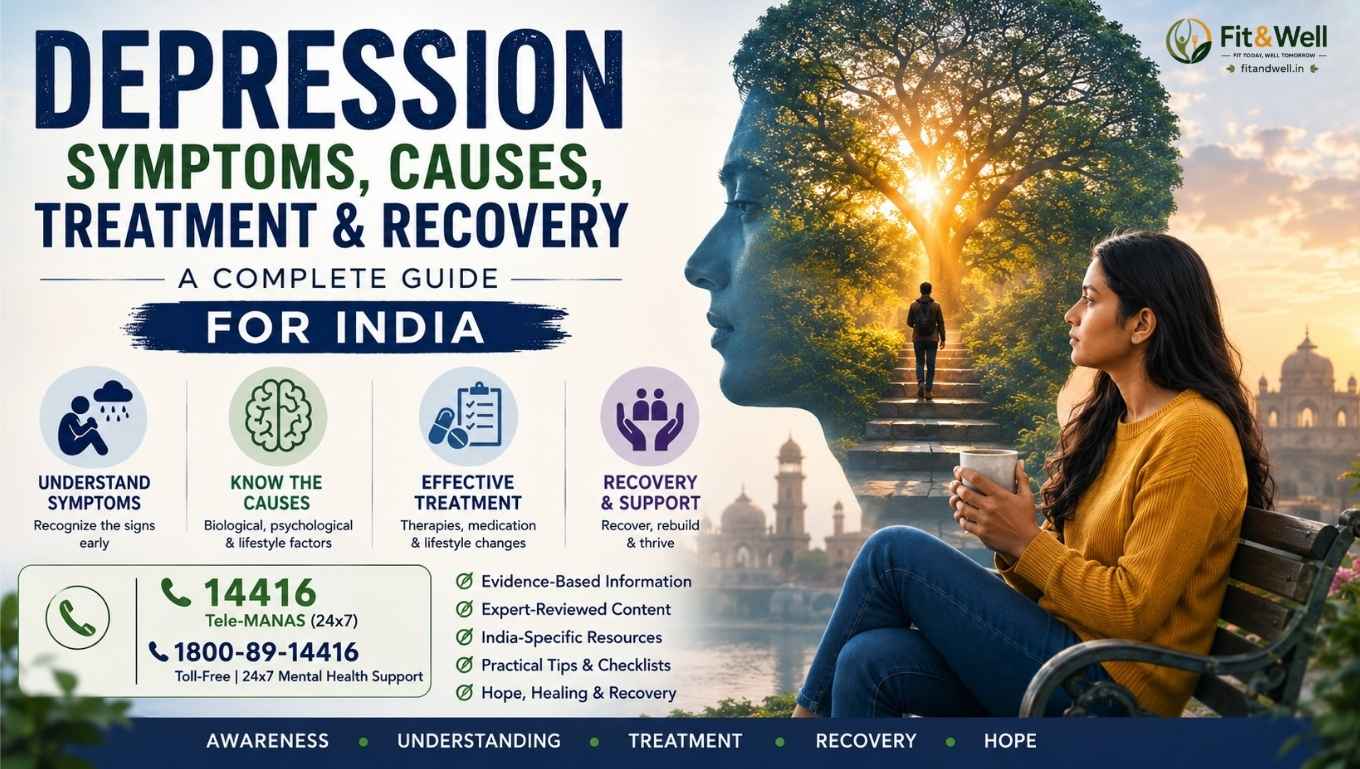
The Government of India’s Tele-MANAS (Tele Mental Health Assistance and Networking Across States) provides 24×7 tele-mental health support across India.
People can access confidential mental health support by calling:
- 14416 (short code)
- 1800-89-14416 (toll-free)
Tele-MANAS offers counselling, guidance, referrals to specialists when needed, and links to in-person care. The service has expanded nationwide and has handled millions of calls since its launch, reflecting growing awareness and use of mental health support services.
Daily Recovery Checklist
Consider incorporating these habits into your routine:
| Daily Habit | Completed? |
| Wake up at a consistent time | ☐ |
| Eat balanced meals | ☐ |
| Spend time outdoors if possible | ☐ |
| Engage in physical activity | ☐ |
| Connect with someone you trust | ☐ |
| Practice relaxation or mindfulness | ☐ |
| Take prescribed medication (if applicable) | ☐ |
| Limit alcohol and recreational drugs | ☐ |
| Follow your sleep routine | ☐ |
Small, consistent steps often have a greater long-term impact than attempting dramatic changes all at once.
Key Takeaways
- Recovery from depression is possible, but it usually occurs gradually.
- Ongoing treatment, healthy habits, and follow-up care help reduce the risk of relapse.
- Family, friends, and caregivers can provide valuable support while encouraging professional care.
- Depression can affect people of all ages, and symptoms may vary across life stages.
- In India, public initiatives such as the National Mental Health Programme, District Mental Health Programme, and Tele-MANAS have expanded access to mental health services
Frequently Asked Questions (FAQs)
1. What are the first signs of depression?
Early signs may include:
- Persistent sadness
- Loss of interest in enjoyable activities
- Fatigue
- Poor concentration
- Changes in sleep
- Appetite changes
- Irritability
- Feeling hopeless
If these symptoms persist for more than two weeks, seek evaluation by a qualified healthcare professional.
2. How do I know if I’m depressed or just stressed?
Stress is usually linked to a specific situation and often improves once the stressor resolves.
Depression:
- Lasts longer
- Affects multiple aspects of life
- Causes loss of interest
- Reduces motivation
- Persists even after stressful situations improve
3. Can depression go away without treatment?
Some mild depressive episodes may improve over time. However, many people benefit from professional assessment and treatment. Delaying care may increase the risk of prolonged symptoms or recurrence.
4. Is depression curable?
Many people experience full remission, while others have recurring episodes that can be effectively managed with ongoing treatment and follow-up care.
5. How long should antidepressants be taken?
The duration varies depending on the individual, including:
- Number of previous depressive episodes
- Symptom severity
- Risk of relapse
- Response to treatment
Never stop antidepressants without consulting your prescribing clinician.
6. Can exercise help with depression?
Regular physical activity can reduce depressive symptoms and improve overall well-being. It is considered a supportive treatment and should not replace professional care when needed.
7. Can depression affect memory?
Yes.
Many people experience:
- Forgetfulness
- Difficulty concentrating
- Slower thinking
- Trouble making decisions
These cognitive symptoms often improve with effective treatment.
8. Is depression hereditary?
Family history can increase the risk, but genetics is only one factor. Environmental, psychological, and social influences also play important roles.
9. Can children develop depression?
Yes.
Children may show:
- Irritability
- School difficulties
- Withdrawal
- Behavioural changes
- Physical complaints without a clear medical cause
Early professional assessment is important.
10. Is depression common in older adults?
Yes, but it is not a normal part of ageing.
Symptoms may overlap with physical illnesses, making diagnosis more challenging.
11. Can depression return after recovery?
Yes.
Recurrence is possible, especially after previous episodes. Continuing treatment as recommended and recognising early warning signs can reduce the risk.
12. Should I tell my employer that I have depression?
This is a personal decision.
Some people benefit from workplace accommodations or support, while others prefer to keep their medical information private. Employment laws and workplace policies vary, so consider discussing your situation with a trusted healthcare professional or HR representative if needed.
13. Does health insurance in India cover depression treatment?
Many health insurance policies in India now include coverage for mental health conditions following regulatory changes. However, benefits, exclusions, waiting periods, and reimbursement processes differ by insurer. Review your specific policy or contact your insurance provider for details.
14. Can lifestyle changes alone cure depression?
Lifestyle measures such as exercise, good sleep, balanced nutrition, and stress management can support recovery. However, moderate to severe depression often requires evidence-based treatments such as psychotherapy, medication, or both.
15. What should I do if someone I know may have depression?
You can:
- Listen without judgment.
- Encourage them to seek professional help.
- Offer practical support.
- Stay connected.
- Take any mention of self-harm or suicide seriously and seek urgent help if there is an immediate risk.
Common Myths vs. Facts
| Myth | Fact |
| Depression is just sadness. | Depression is a recognised medical condition that affects mood, thinking, behaviour, and physical health. |
| Only adults develop depression. | Depression can affect children, adolescents, adults, and older adults. |
| Strong people don’t get depressed. | Depression can affect anyone, regardless of strength, success, or background. |
| Medication is always necessary. | Treatment depends on severity and individual needs; some people improve with psychotherapy alone, while others benefit from medication or combined treatment. |
| Talking about suicide encourages it. | Asking someone directly and compassionately about suicidal thoughts can help them access support and does not create suicidal ideas. |
When to Seek Emergency Help
Seek immediate medical attention if you or someone else:
- Has thoughts of suicide or self-harm with intent or a plan.
- Has attempted suicide.
- Is unable to care for basic needs because of severe depression.
- Experiences hallucinations or delusions alongside depression.
- Shows signs of mania (e.g., severely decreased need for sleep, unusually elevated mood, impulsive or risky behaviour), particularly if bipolar disorder is suspected.
Do not wait for symptoms to improve on their own in these situations. Contact emergency services or go to the nearest emergency department.
Glossary of Key Terms
| Term | Meaning |
| Major Depressive Disorder (MDD) | A depressive disorder characterised by persistent low mood and/or loss of interest with significant impairment. |
| Psychotherapy | Structured psychological treatment provided by trained mental health professionals. |
| CBT (Cognitive Behavioural Therapy) | A form of psychotherapy that helps identify and change unhelpful thoughts and behaviours. |
| PHQ-9 | A validated questionnaire commonly used to screen for and monitor depression symptoms. |
| Relapse | The return of depressive symptoms after a period of improvement or remission. |
| Remission | A period during which depressive symptoms have largely resolved. |
Quick Action Plan
If You Think You May Have Depression
- Recognise persistent symptoms lasting more than two weeks.
- Schedule an appointment with a qualified healthcare professional.
- Be open about your symptoms, including changes in sleep, appetite, energy, or thoughts of self-harm.
- Discuss treatment options together.
- Attend follow-up appointments and continue treatment as recommended.
If You’re Supporting Someone Else
- Listen more than you speak.
- Avoid judgment or criticism.
- Encourage professional assessment.
- Offer practical help with daily tasks if appropriate.
- Stay connected, especially if they become socially withdrawn.
- Take any mention of suicide or self-harm seriously.
Expert Tips for Long-Term Mental Well-Being
- Maintain a consistent sleep schedule.
- Stay physically active.
- Build and maintain supportive relationships.
- Limit alcohol and avoid recreational drugs.
- Develop healthy stress-management strategies.
- Continue therapy or medication for as long as recommended.
- Learn to recognise your own early warning signs of relapse.
- Seek help promptly if symptoms return.
Key Takeaways
- Depression is a common, treatable medical condition that affects emotional, cognitive, physical, and social well-being.
- Symptoms usually persist for at least two weeks and interfere with daily functioning.
- Diagnosis is based on a comprehensive clinical assessment rather than a single laboratory test.
- Effective treatments include psychotherapy, medication when appropriate, and lifestyle measures that support recovery.
- Recovery is often gradual, and ongoing follow-up can reduce the risk of relapse.
- In India, resources such as the National Mental Health Programme, District Mental Health Programme, and Tele-MANAS have improved access to mental health support.
- Seeking help early is one of the most important steps toward recovery.
References and citations
The guidance in this article is based on recommendations and evidence from reputable organisations and clinical resources, including:
- World Health Organisation (WHO) – Depression Fact Sheet and WHO India mental health resources.
- National Institute of Mental Health (NIMH), USA – Depression overview and treatment information.
- National Institute for Health and Care Excellence (NICE), UK – Guidelines on depression in adults.
- American Psychiatric Association (APA) – Diagnostic and treatment guidance.
- Ministry of Health & Family Welfare (Government of India) – National Mental Health Programme and Tele-MANAS.
- Indian Psychiatric Society (IPS) – Clinical practice guidance and public education materials.
- Peer-reviewed literature published in journals such as The Lancet, JAMA Psychiatry, BMJ, and The New England Journal of Medicine.
Final Thoughts
While recovery may take time, effective treatments are available, and many people go on to lead fulfilling, productive lives. If you think you may be experiencing depression—or if you’re concerned about someone else—reaching out to a qualified healthcare professional is an important first step. Early support can improve outcomes and help people regain their health, relationships, and quality of life.
Depression is not a personal failure, a lack of willpower, or something that people should simply “push through.” It is a recognised medical condition that deserves the same attention and care as any other health problem.
A balanced diet plays an important role in supporting overall mental well-being. Explore our evidence-based nutrition articles to learn how healthy eating habits can support both physical and mental health.