

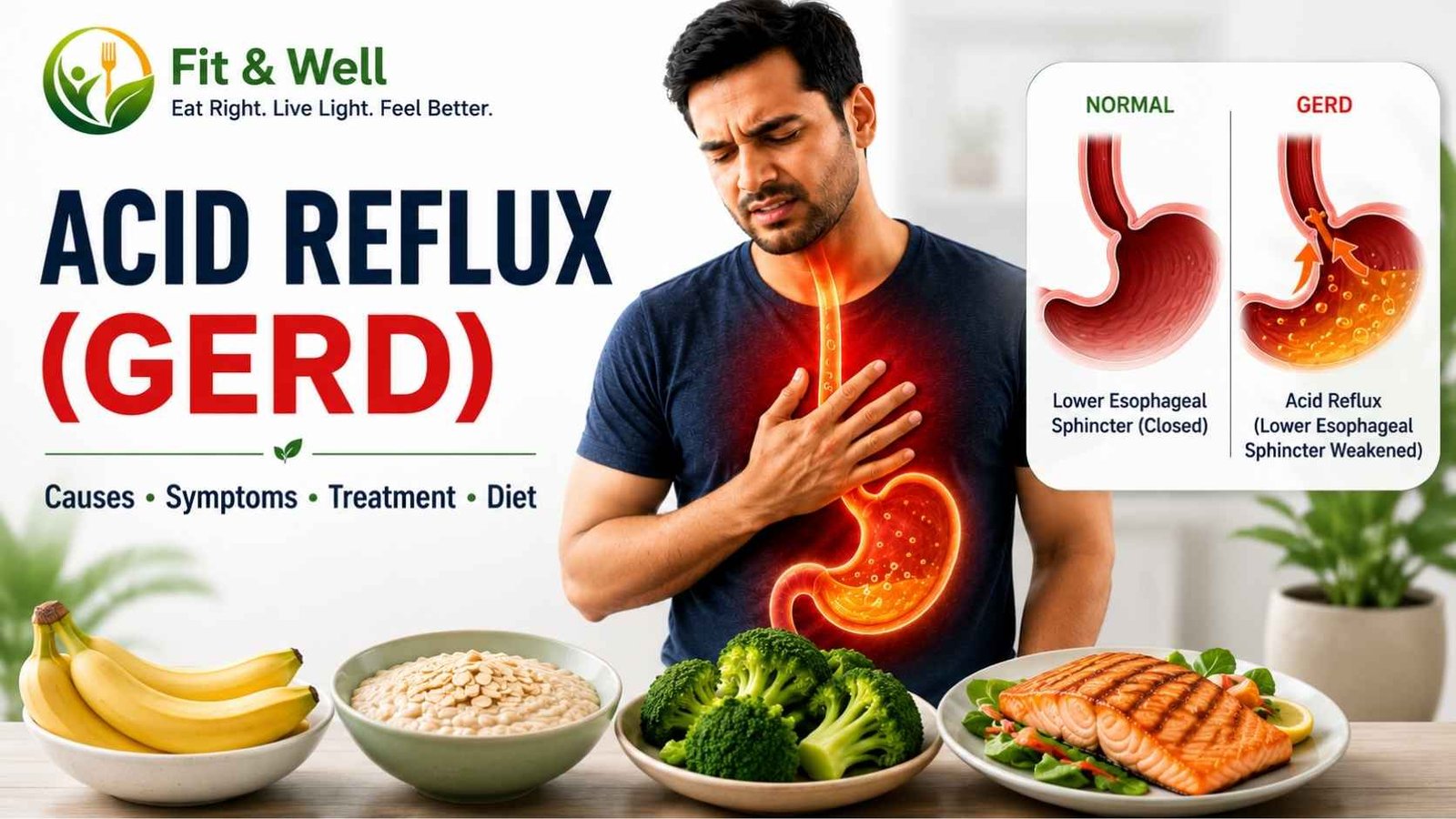
Acid Reflux and GERD
Heartburn after a spicy dinner feels like nothing. Pop an antacid, forget about it, move on with your evening. For most people, that’s exactly how the story ends.
But when that burning sensation keeps coming back, week after week, it stops being a one-off nuisance. It may point to Gastroesophageal Reflux Disease, or GERD, a chronic digestive condition that affects a large share of adults worldwide and is becoming more common in India as diets, waistlines and stress levels change.
This guide walks through what GERD actually is, why it happens, how to recognise it, and what genuinely helps, from diet and daily habits to medication and, in some cases, surgery.
This article is for general information only and does not replace advice from a qualified doctor. If you have persistent or severe symptoms, please see a healthcare professional.
“Heartburn is a warning label, not a life sentence, but only if you read it.”
What Is Acid Reflux?
Acid reflux happens when stomach contents flow backwards into the oesophagus, the muscular tube that carries food from your mouth to your stomach.
Normally, this is a one-way street. After you swallow, food passes through a valve called the lower oesophageal sphincter (LES). It opens briefly to let food through, then shuts tightly behind it.
Problems start when that valve weakens or relaxes at the wrong moment. Stomach acid escapes upward into the oesophagus, which, unlike the stomach, has no protective lining against strong digestive acid. The result is irritation and inflammation, felt as the burning sensation we call heartburn.
“The stomach was built to survive its own acid. The oesophagus was never given that armour.”
Did you know? The oesophagus is only about 20 to 25 centimetres long, barely longer than a dinner plate, yet it has to move everything you swallow past the diaphragm and into the stomach below.
Almost everyone experiences acid reflux occasionally, usually after a large meal or a trigger food. It only becomes a medical concern when it happens often enough to need proper management.
What Is GERD?
GERD is the chronic, ongoing form of acid reflux. Doctors typically consider a GERD diagnosis when symptoms:
- Occur at least twice a week
- Persist for several weeks or longer
- Interfere with daily life or sleep
- Cause visible inflammation of the oesophagus
- Require regular medication to control
It’s not simply “bad heartburn.” Left unmanaged, GERD can progressively damage the oesophagus and lead to more serious complications, which we’ll cover further down.
Acid Reflux, Heartburn and GERD: What’s the Difference?
People use these three terms interchangeably, but they describe different things.
| Term | What it means |
|---|---|
| Acid reflux | The event: stomach acid flowing backwards into the oesophagus |
| Heartburn | The symptom: the burning sensation that reflux causes |
| GERD | The diagnosis: a chronic condition caused by frequent, recurring reflux |
Think of it this way: acid reflux is the action, heartburn is how it feels, and GERD is what doctors call it once it becomes a persistent pattern.
“Heartburn is a moment. GERD is a pattern. The difference is what turns a nuisance into a diagnosis.”
How Common Is GERD?
GERD ranks among the most common digestive disorders in the world. Research estimates suggest that somewhere between one in ten and one in five adults in Western countries experiences GERD symptoms weekly, and prevalence appears to be rising alongside obesity rates.
India is seeing a similar upward trend, particularly in cities. Processed food, late-night meals, smoking, alcohol and long hours spent sitting at desks have all been linked to the growing number of reflux cases in urban populations.
Did you know? GERD prevalence is notably lower in East Asia than in Western countries, a gap researchers link partly to differences in diet and obesity rates rather than genetics alone. GERD is also common enough to be one of the leading reasons people visit a gastroenterologist in the first place.
What Causes Acid Reflux?
GERD is rarely down to a single cause. It usually develops from a mix of anatomical, dietary and lifestyle factors working together.
A Weak Lower Oesophageal Sphincter
This is the most common underlying cause. When the Lower Oesophageal Sphincter (LES) loses strength, acid escapes upward more easily. Ageing naturally weakens muscle tone, and obesity, smoking, alcohol and certain medications can speed up that process.
“A weak valve doesn’t announce itself with a warning bell. It just quietly stops doing its job.”
Obesity
Extra abdominal fat raises pressure inside the abdomen, which pushes stomach contents upward, especially after meals. Obesity is consistently identified as one of the strongest risk factors for GERD, and even modest weight loss can noticeably ease symptoms.
Hiatal Hernia
A hiatal hernia occurs when part of the stomach pushes up through the diaphragm into the chest. This shifts the LES out of its normal position, making reflux more likely. Many people with persistent GERD also turn out to have a hiatal hernia.
Delayed Stomach Emptying
When the stomach empties more slowly than it should, food and acid linger longer, building pressure and encouraging reflux. This can happen with diabetes, certain neurological conditions, and some medications.
Pregnancy
Growing pressure from the uterus, combined with hormones that relax smooth muscle, weakens the LES during pregnancy. The good news: symptoms usually settle after childbirth.
Did you know? Pregnancy-related reflux is common enough to affect a majority of pregnant women at some point, and for most, it clears up entirely within weeks of delivery.
Smoking and Alcohol
Both weaken the LES and increase acid production. Smoking also reduces saliva, which normally helps neutralise acid, and slows healing of the oesophagus. Alcohol, whether wine, beer or spirits, can worsen symptoms in people who are already sensitive to reflux.
Certain Medications
Calcium channel blockers, NSAIDs, aspirin, sedatives, some asthma medications and certain antidepressants can all increase reflux risk. Never stop a prescribed medication without talking to your doctor first.
Who’s Most at Risk?
Some people are simply more likely to develop GERD than others. Key risk factors include:
- Obesity
- Pregnancy
- Smoking and alcohol use
- Age over 40
- Family history
- Hiatal hernia
- Diabetes
- A sedentary lifestyle
- Large evening meals and poor sleep habits
The more of these that apply to you, the higher your chances of developing chronic reflux.
Symptoms of GERD
GERD doesn’t look the same in everyone. Some people get classic burning heartburn. Others develop a persistent cough, hoarseness or trouble swallowing and never feel chest discomfort at all. Doctors generally view heartburn occurring more than twice a week as a signal to investigate GERD rather than dismiss it as occasional indigestion.
| Symptom | What it feels like |
|---|---|
| Heartburn | Burning behind the breastbone, worse after meals or at night |
| Acid regurgitation | Sour or bitter taste rising into the mouth |
| Chest pain | Can mimic a heart problem; cardiac causes must always be ruled out |
| Difficulty swallowing | Food feels like it’s sticking on the way down |
| Persistent cough | Often worse at night or after eating |
| Hoarseness | Acid irritating the vocal cords |
| Chronic sore throat | From repeated acid exposure |
| Bad breath | Linked to reflux in some people |
| Nausea | More common with severe reflux |
| Excessive burping | Often paired with bloating |
Heartburn: The Hallmark Symptom
Despite the name, heartburn has nothing to do with your heart. It’s caused by stomach acid irritating the oesophageal lining, producing that familiar burning pain behind the breastbone. It tends to flare up after large or fatty meals, with coffee or alcohol, when lying down soon after eating, or while bending forward.
Chest Pain: When to Take It Seriously
GERD can produce chest pain intense enough to feel like a heart attack. Never assume chest pain is just reflux. Seek emergency care immediately if it comes with pain spreading to the arm, jaw, shoulder or back, shortness of breath, heavy sweating, dizziness or fainting. Cardiac causes always need to be ruled out first.
Silent Reflux: GERD Without Heartburn
Not everyone with GERD gets heartburn. In some people, acid travels all the way up to the throat and voice box, a condition called laryngopharyngeal reflux (LPR) or silent reflux. It shows up as a persistent dry cough, frequent throat clearing, hoarseness, a lump-in-the-throat feeling, or chronic sore throat. Because these symptoms overlap with allergies and respiratory infections, silent reflux often gets misdiagnosed or missed entirely.
“Not all reflux burns. Sometimes it just clears its throat, over and over, until someone finally listens.”
Night-Time Reflux
Lying flat removes gravity’s help in keeping stomach contents down, so symptoms often worsen after bed. This can mean interrupted sleep, coughing, a choking sensation, or waking with a sore throat and an acid taste in the mouth. Poor sleep then makes digestion worse, creating a cycle that’s genuinely hard to break without intervention.
“Gravity does more for your digestion while you’re upright than any medicine does while you sleep.”
Did you know? You swallow around once a minute during the day even when you’re not eating. That’s your body routing saliva down to the oesophagus, where its bicarbonate content helps neutralise any acid that’s crept up.
What Makes Symptoms Worse?
A handful of everyday habits reliably trigger or intensify reflux episodes.
Eating large meals stretches the stomach and increases pressure on the LES. Eating too fast means swallowing extra air and often overeating, both of which add to bloating and pressure. Late dinners are a particularly common culprit; leaving at least three hours between your last meal and bedtime is a widely recommended habit. Obesity raises abdominal pressure directly. Smoking weakens the LES while increasing acid production. And while stress doesn’t cause GERD on its own, it heightens sensitivity to acid and often encourages the exact eating habits that make reflux worse.
Did you know? Stress doesn’t produce a single extra drop of stomach acid on its own. What it does is turn up how intensely your body perceives the reflux that’s already there, which is why symptoms often flare during especially demanding weeks.
Foods That Trigger and Foods That Help
There’s no single GERD diet that works for everyone, because trigger foods genuinely differ from person to person. That said, certain foods are consistently linked to worse symptoms, while others tend to be gentler on a reflux-prone digestive system.
“There’s no single GERD diet, only the one your own body eventually writes for you.”
Common Trigger Foods
| Food | Why it’s a problem |
|---|---|
| Fried foods | Slow stomach emptying |
| Fatty meats | Relax the LES |
| Chocolate | Contains compounds that relax the LES |
| Coffee | Can stimulate acid production |
| Carbonated drinks | Increase stomach pressure |
| Alcohol | Weakens the LES, irritates the oesophagus |
| Tomatoes and citrus | Naturally high in acid |
| Onions and garlic | Frequently reported triggers |
| Peppermint | Can relax the LES |
| Spicy foods | Irritate an already inflamed oesophagus |
Foods That Tend to Be Better Tolerated
| Food | Why it helps |
|---|---|
| Oats and brown rice | Gentle on digestion, high in fibre |
| Bananas and melon | Low in acid |
| Leafy greens, cucumber, carrots | Low in fat and acid |
| Skinless chicken, turkey, fish | Lean protein without triggering reflux |
| Egg whites | Lower fat than whole eggs |
| Low-fat yoghurt | Suits some people, though tolerance varies |
Keeping a simple food diary for a couple of weeks is often the fastest way to spot your own personal triggers, rather than cutting out everything on this list at once.
A Sample Day: Indian GERD-Friendly Eating
- Early morning: Warm water, one ripe banana
- Breakfast: Vegetable oats porridge, papaya, caffeine-free herbal tea
- Mid-morning: Roasted chana, coconut water
- Lunch: Brown rice, moong dal, grilled chicken or paneer, steamed vegetables, cucumber salad
- Evening: Apple, a small handful of unsalted almonds
- Dinner: Chapati, mixed vegetable curry, grilled fish or tofu, bottle gourd soup
Try to finish dinner at least three hours before you go to bed.
When Should You See a Doctor?
Occasional heartburn after a heavy meal is normal and rarely worth worrying about. Book an appointment, though, if you notice:
- Symptoms more than twice a week
- Difficulty swallowing
- Unexplained weight loss
- Persistent vomiting
- Black or bloody stools
- Chest pain
- Anaemia
- Symptoms that don’t respond to over-the-counter medication
Getting checked early helps rule out more serious conditions and prevents complications from building up unnoticed.
How Is GERD Diagnosed?
Most cases don’t need extensive testing. Doctors usually start with a detailed history: how often symptoms occur, your diet, medications, smoking and alcohol habits, and any family history of digestive disease. Many patients with classic symptoms simply start lifestyle changes plus a proton pump inhibitor before any specialised investigation is needed.
Further testing comes into play when symptoms are severe, persistent, or accompanied by warning signs.
Upper Endoscopy
A thin, flexible camera is passed through the mouth to examine the oesophagus, stomach and upper small intestine directly. It can identify inflammation, ulcers, narrowing, Barrett’s oesophagus, hiatal hernia, and early signs of cancer. It’s usually recommended for people with alarm symptoms or those not responding to medication.
Ambulatory pH Monitoring
A small sensor measures acid levels in the oesophagus over 24 to 48 hours while you go about normal life. It’s often considered the gold standard for confirming abnormal acid reflux, and doctors reach for it when symptoms persist despite treatment or when the diagnosis remains unclear.
Oesophageal Manometry
A thin catheter measures how well the oesophageal muscles and LES function during swallowing. It doesn’t diagnose GERD directly but helps identify swallowing disorders, and it’s commonly done before anti-reflux surgery.
Barium Swallow X-ray
Patients swallow a barium liquid before X-rays reveal structural issues such as hiatal hernia or narrowing. It’s useful in specific situations but generally less sensitive than endoscopy.
Can GERD Be Cured?
Usually controlled, not always permanently cured, is the honest answer. Many people achieve complete symptom relief through lifestyle changes, diet and medication. Others, particularly those with significant LES dysfunction or a large hiatal hernia, need longer-term treatment or surgery. Effective management focuses on reducing acid exposure, healing the oesophagus, preventing complications and improving day-to-day quality of life.
Complications of Untreated GERD
Ignoring persistent reflux isn’t harmless. Repeated acid exposure gradually damages the oesophageal lining, and over time this can lead to real complications.
“Ignored reflux doesn’t stay still. It keeps rewriting the tissue it touches.”
Oesophagitis
Inflammation of the oesophagus, causing painful swallowing, persistent heartburn, chest discomfort and, in severe cases, bleeding.
Oesophageal Strictures
Long-standing inflammation can create scar tissue that narrows the oesophagus, making swallowing difficult and increasing the risk of choking. Treatment often involves endoscopic stretching.
Barrett’s Oesophagus
Persistent acid exposure can cause the cells lining the lower oesophagus to change, resembling intestinal cells instead. This raises the risk of oesophageal cancer, although only a small percentage of people with Barrett’s oesophagus go on to develop it. Regular surveillance endoscopy is generally recommended for those affected.
Did you know? Barrett’s oesophagus sounds alarming, but most people who have it never develop cancer. The vast majority simply need periodic monitoring rather than aggressive treatment.
Oesophageal Cancer
Chronic GERD is a recognised risk factor for oesophageal adenocarcinoma, but it’s worth keeping this in perspective: most people with GERD never develop cancer. Risk climbs with long-standing symptoms, Barrett’s oesophagus, obesity, smoking history and older age. Early treatment meaningfully lowers that risk.
Respiratory Problems
Acid can reach the airways during sleep, contributing to chronic cough, worsening asthma, recurrent chest infections, laryngitis and voice changes in susceptible people.
Treatment for GERD
Most treatment plans combine medication with lasting lifestyle change, tailored to how severe symptoms are and whether complications are present.
Lifestyle Changes That Actually Help
- Losing excess weight if you’re overweight
- Avoiding meals within three hours of bedtime
- Eating smaller, more frequent meals
- Quitting smoking
- Limiting alcohol
- Identifying and avoiding your personal trigger foods
- Sleeping with the head of the bed raised
- Wearing loose clothing around the waist
Even losing 5 to 10% of body weight can meaningfully reduce symptoms in people who are overweight. Raising the head of the bed by roughly 15 to 20 centimetres helps more than stacking extra pillows, which mainly lifts the head rather than the whole upper body.
Medications
Antacids (calcium carbonate, magnesium hydroxide) neutralise existing acid quickly. They work fast but don’t heal inflammation, and suit occasional symptoms best.
H2 receptor blockers, such as famotidine and cimetidine, reduce acid production and have longer-lasting effects than antacids.
Proton pump inhibitors (PPIs), including omeprazole, pantoprazole, esomeprazole, lansoprazole and rabeprazole, are generally considered the most effective option for healing GERD-related oesophagitis and remain a first-line treatment for frequent symptoms. They should still be used under medical supervision, particularly long-term.
“Medication can quiet the acid. Only habits can quiet the cause.”
Are PPIs Safe Long-Term?
Current evidence suggests they’re generally safe when appropriately prescribed, though long-term use should be reviewed periodically with your doctor. Potential concerns include vitamin B12 deficiency, lower magnesium and calcium absorption, and a slightly increased risk of certain intestinal infections. Don’t stop a prescribed PPI on your own; talk to your doctor about alternatives first.
When Is Surgery an Option?
Surgery is generally reserved for people who continue to have severe symptoms despite medication, can’t tolerate acid-suppressing drugs, have a significant hiatal hernia, or simply prefer a long-term surgical fix. The most common procedure, laparoscopic fundoplication, wraps the upper stomach around the lower oesophagus to reinforce the LES. Minimally invasive endoscopic options exist too, though suitability varies by individual.
Natural Remedies: What Does the Evidence Actually Say?
Plenty of home remedies circulate online for acid reflux, and the evidence behind them varies enormously.
Ginger has traditionally been used for digestive discomfort, and some research suggests it may support stomach emptying and ease nausea. Use it in moderation, since too much can worsen symptoms in some people.
Oatmeal, high in soluble fibre, tends to be well tolerated and promotes fullness without raising acid production.
Chewing sugar-free gum after meals stimulates saliva, which helps neutralise acid and clear it from the oesophagus faster. Some research links this habit to reduced reflux symptoms.
Did you know? Chewing gum isn’t just a breath freshener here. It measurably increases saliva flow, which is exactly the mechanism that helps clear acid from the oesophagus more quickly after a meal.
Staying hydrated with water generally supports healthy digestion, even though it doesn’t directly neutralise stomach acid.
Aloe vera juice shows some promise in small studies for soothing irritation, though evidence remains limited and certain products can have a laxative effect. Stick to preparations made specifically for oral use.
Remedies with weak or no solid evidence behind them include drinking vinegar, using baking soda as a routine treatment, drinking excessive milk, and eating large amounts of mint. Some of these can actually make reflux worse. When in doubt, talk to your doctor rather than relying on advice from social media.
Can GERD Be Prevented?
Not every case is preventable, but many risk factors are within your control:
- Maintain a healthy body weight
- Eat smaller portions and avoid overeating
- Limit fatty and fried foods
- Cut back on caffeine if it triggers symptoms
- Stop smoking and limit alcohol
- Exercise regularly
- Avoid lying down right after meals
- Manage stress through relaxation techniques
GERD Myths vs Facts
| Myth | Fact |
|---|---|
| Only spicy food causes GERD | Obesity, smoking, hiatal hernia and fatty foods all contribute |
| Heartburn always means GERD | Occasional heartburn can happen without chronic GERD |
| Milk cures reflux | It may soothe briefly but can worsen symptoms later due to its fat content |
| GERD only affects older adults | It affects adults of all ages, and even children |
| Surgery is the only permanent fix | Most people manage GERD successfully with lifestyle changes and medication |
Ready to Take Your Fitness to the Next Level?
Whether your goal is to lose weight, build muscle, improve endurance, or simply stay active, the right guidance can make all the difference. Explore our collection of expert-backed fitness articles featuring effective workouts, beginner-friendly exercise plans, strength training tips, home workouts, and practical fitness advice designed to help you achieve lasting results
Frequently Asked Questions
Can GERD go away permanently? Some people see symptoms resolve completely after losing weight, changing their diet, or treating an underlying cause. Others need ongoing, long-term management.
Is GERD dangerous? Most cases are manageable with treatment. Left untreated, though, GERD can lead to oesophagitis, Barrett’s oesophagus and, rarely, oesophageal cancer.
Can stress cause acid reflux? Not directly, but it can increase how sensitive you are to acid and encourage habits, like eating too fast or reaching for trigger foods, that make reflux worse.
Which fruits are best for GERD? Bananas, melons, pears, peeled apples and papaya are generally well tolerated because they’re far less acidic than citrus fruits.
Is coffee completely off-limits? Not necessarily. Some people handle moderate coffee intake just fine, while others notice a clear worsening of symptoms. Pay attention to how your own body responds.
Can I exercise with GERD? Yes, and you should. Regular activity helps you maintain a healthy weight and lowers reflux risk. Just avoid vigorous exercise immediately after eating.
When to Seek Emergency Care
Get urgent medical attention if you experience severe chest pain, difficulty breathing, vomiting blood, black or tarry stools, rapidly worsening difficulty swallowing, persistent vomiting, or unexplained weight loss. These symptoms should never be assumed to be “just reflux” without proper medical assessment.
The Bottom Line
Acid reflux is one of the most common digestive complaints in the world, but frequent symptoms deserve attention rather than an antacid and a shrug. GERD is a chronic condition that can genuinely affect quality of life and, left unchecked, lead to complications involving the oesophagus and respiratory system.
The encouraging part is that GERD responds well to management. For most people, a combination of the right diet, weight control, lifestyle adjustments and appropriate medication brings lasting relief and protects against long-term damage.
There’s no single diet that works for everyone with GERD. Identifying your own trigger foods, eating balanced meals, keeping a healthy weight, avoiding late-night eating and following medical advice remain the most reliable strategies. If your symptoms show up more than twice a week, disrupt daily life, or don’t improve despite your best efforts, see a doctor. Catching it early protects your oesophagus and your quality of life.
“The best time to take reflux seriously was after the third week of heartburn. The second-best time is today.”
Can GERD go away permanently?
Some people see symptoms resolve completely after losing weight, changing their diet, or treating an underlying cause. Others need ongoing, long-term management.
Is GERD dangerous?
Most cases are manageable with treatment. Left untreated, though, GERD can lead to oesophagitis, Barrett’s oesophagus and, rarely, oesophageal cancer.
Can stress cause acid reflux?
Not directly, but it can increase how sensitive you are to acid and encourage habits, like eating too fast or reaching for trigger foods, that make reflux worse.
Which fruits are best for GERD?
Bananas, melons, pears, peeled apples and papaya are generally well tolerated because they’re far less acidic than citrus fruits.
Is coffee completely off-limits?
Not necessarily. Some people handle moderate coffee intake just fine, while others notice a clear worsening of symptoms. Pay attention to how your own body responds.
Can I exercise with GERD?
Yes, and you should. Regular activity helps you maintain a healthy weight and lowers reflux risk. Just avoid vigorous exercise immediately after eating.