


Sleep and blood sugar are interrelated far more tightly than most people assume.
Cut sleep to five hours a night for one week and insulin sensitivity measurably drops, as researchers found in the Diabetes trial on one week of sleep restriction in healthy young men who had gained no weight at all. Stretch that pattern across years, and the damage accumulates. Pooled data from 107,756 adults in the Diabetes Care analysis of sleep quantity, quality and diabetes incidence show a 28% higher risk of type 2 diabetes among people sleeping five to six hours or less, and an 84% higher risk among those who cannot stay asleep. India already has 101 million adults with diabetes and 136 million with prediabetes, according to the ICMR-INDIAB national survey. Sleep, though, remains the first habit people surrender, traded for a night shift, a long commute or one more episode.
Read this first. Poor sleep alone does not cause diabetes, and one broken night will not give anyone the disease. Risk builds slowly through repeated metabolic strain, appetite changes, weight gain, circadian disruption and untreated sleep disorders. Sleep supports good food, regular movement, prescribed treatment and medical monitoring. It does not replace them.
What the evidence shows
Scientists have tested the sleep and glucose link from three directions. Laboratory experiments shorten sleep deliberately and measure what happens. Prospective cohorts follow thousands of healthy people and record who develops diabetes years later. Genetic studies then ask whether the association is likely causal or merely a reflection of lifestyle and existing illness.
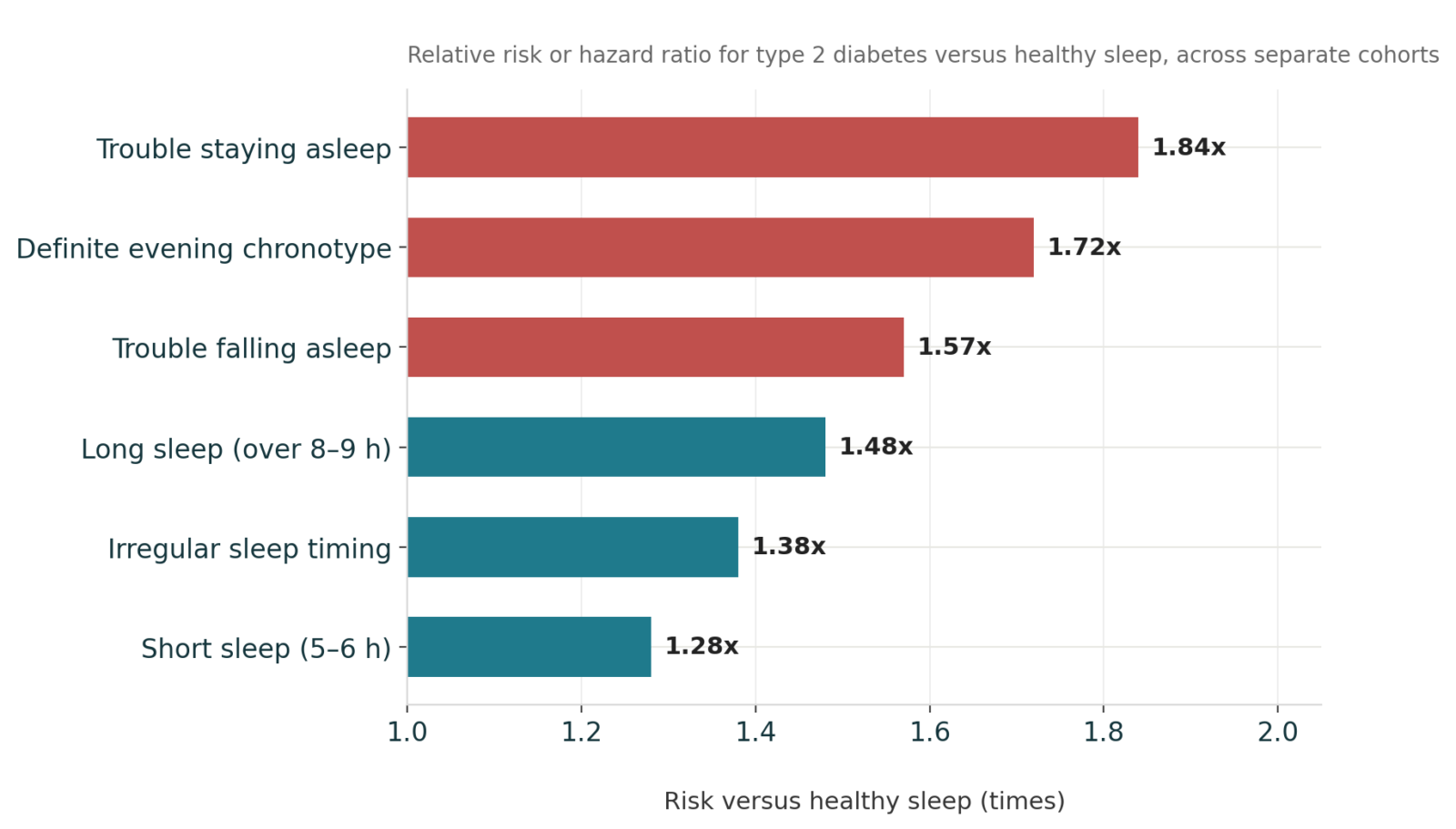
The pooled cohort evidence is consistent. Sleeping five to six hours or less was linked to a 28% higher relative risk of type 2 diabetes. Sleeping more than eight to nine hours carried a 48% higher risk. Trouble falling asleep raised risk by 57%, and trouble staying asleep by 84%.
The lowest observed risk sits around seven to eight hours a night in the meta-analysis of sleep duration and diabetes risk. Individual needs vary, and our guide to how much sleep you need by age shows how the target shifts across life.
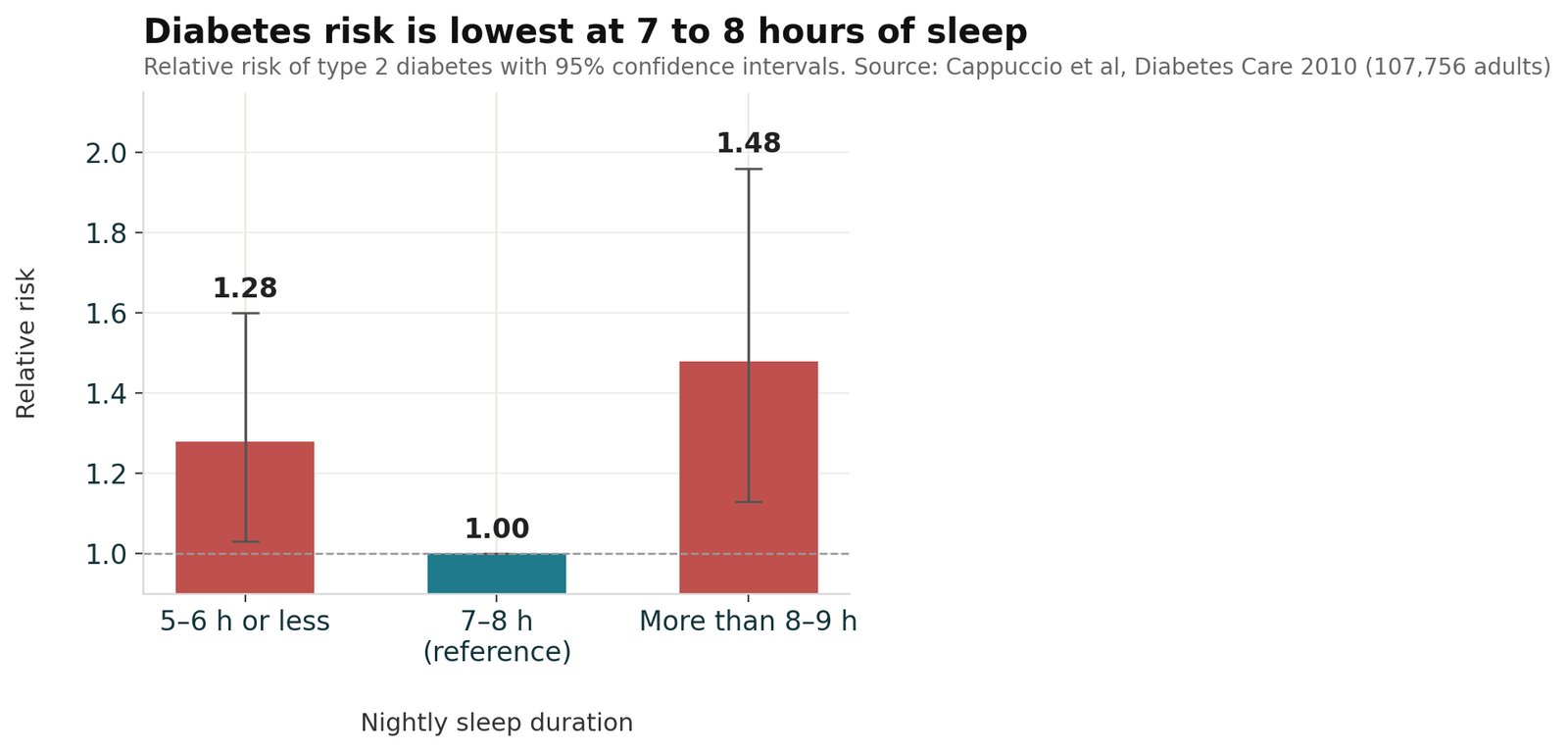
That U-shape needs careful reading. Long sleep sometimes signals underlying illness, depression, low activity or badly fragmented nights rather than causing diabetes itself. Short sleep carries stronger experimental backing, because controlled studies repeatedly show insulin sensitivity falling after restricted nights.
How poor sleep raises glucose
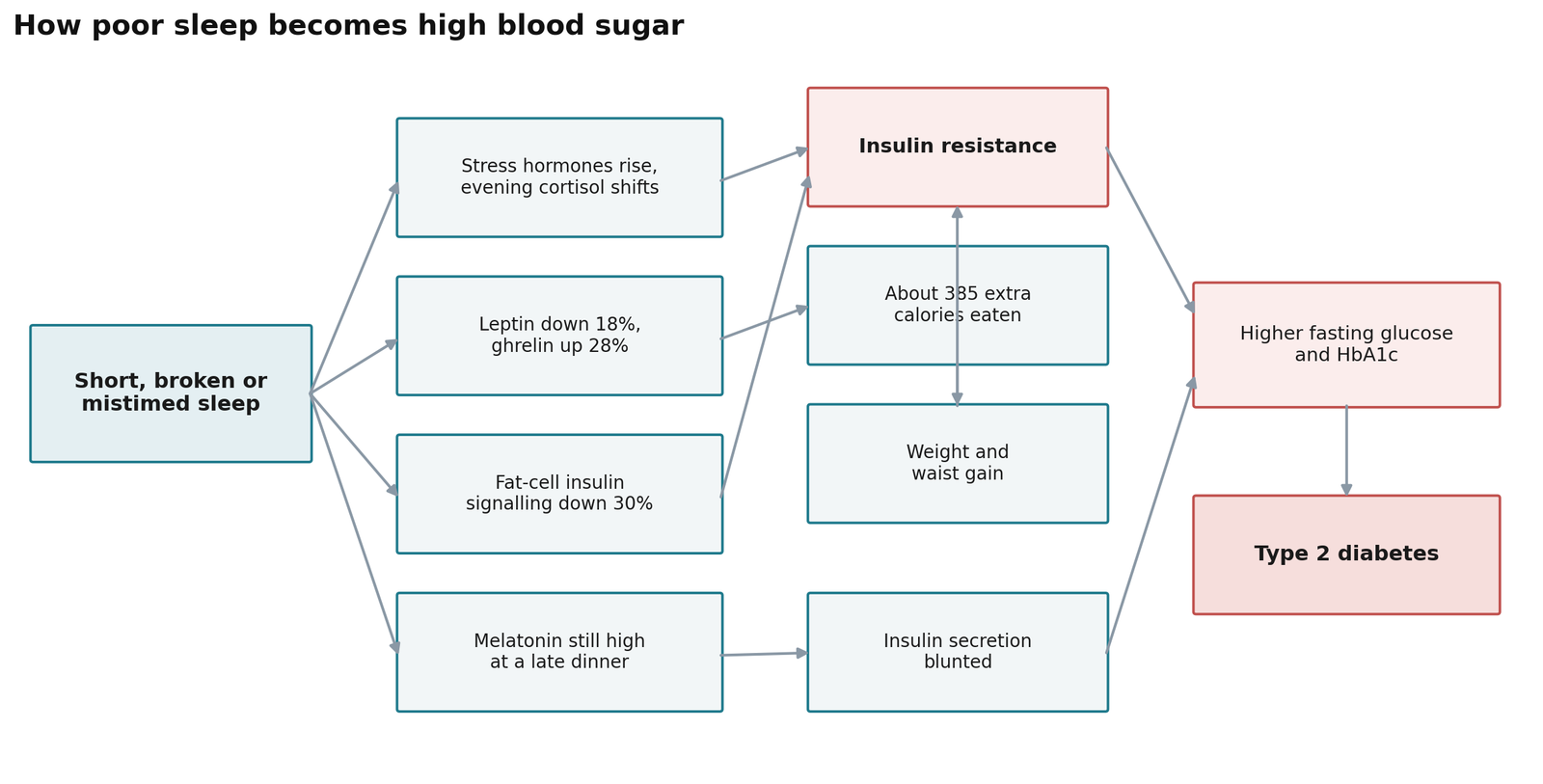
Blood glucose control depends on two linked jobs. The pancreas must release enough insulin, and muscle, liver and fat cells must respond to it. When those tissues respond weakly, the pancreas compensates by producing more. That state is insulin resistance, and it sits at the centre of the road towards prediabetes and type 2 diabetes.
Insulin sensitivity falls
One week at five hours a night reduced insulin sensitivity in healthy men. Crucially, this happened without the years of weight gain that usually accompany habitual poor sleep, which points to a direct metabolic effect rather than an indirect one through obesity.
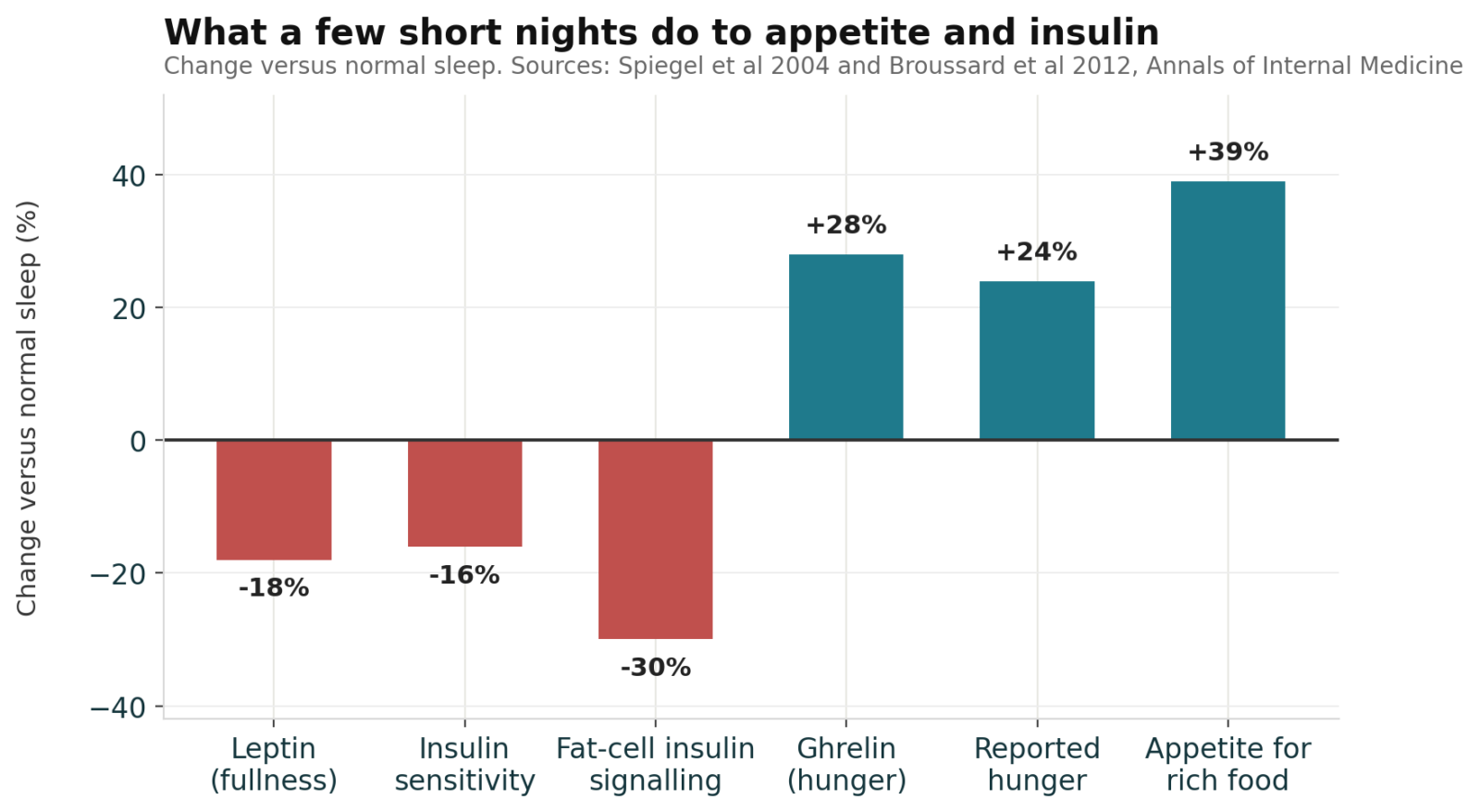
A separate crossover experiment compared four nights of 4.5 hours in bed against four nights of 8.5 hours. Whole-body insulin sensitivity fell roughly 16%, and insulin signalling inside fat cells fell about 30%, as reported in the Annals of Internal Medicine study on adipocyte insulin signalling. These were small laboratory studies, so the exact percentages should not be applied to every sleeper. What they demonstrate is speed. Metabolic disruption starts within days, not decades.
Stress systems stay switched on
Sleep loss activates the sympathetic nervous system and disturbs the normal daily rhythm of cortisol. The liver then releases more glucose, and peripheral tissues respond less efficiently to insulin. Rising inflammation and circulating free fatty acids add further resistance, as described in research on insufficient sleep and metabolic dysfunction.
This explains why a morning reading can climb after a bad night despite an identical dinner. Sleep is rarely the only factor, though. Illness, stress, medicines, alcohol, meal composition and the natural dawn hormone rise all shift morning glucose too.
Appetite climbs
Two short nights in a controlled trial of twelve healthy young men cut leptin, the satiety signal, by 18% and pushed the hunger hormone ghrelin up 28%. Reported hunger rose 24%, with the strongest cravings aimed at energy-dense, carbohydrate-heavy food, according to the Annals of Internal Medicine trial on sleep curtailment, leptin and ghrelin.
Those hormones translate into real eating. A meta-analysis of partial sleep deprivation and energy balance calculated an extra 385 kcal consumed per day, with no matching rise in energy expenditure. Repeated over months, that surplus becomes waist gain and deeper insulin resistance. Anyone rebuilding their carbohydrate choices can use the glycaemic index of Indian foods as a starting reference, while remembering that portion size and the rest of the plate matter just as much.
The body clock slips out of line
The circadian system readies the body for activity and food during the biological day, and for rest during the biological night. Sleep, eat or work at the wrong internal time, and glucose regulation can worsen even when total hours look respectable.
A controlled misalignment experiment recorded higher post-meal glucose and lower leptin once behavioural schedules were pushed away from participants’ internal clocks, as published in the PNAS study on circadian misalignment. In the Nurses’ Health Study II, women with a definite evening chronotype started with a 72% higher diabetes hazard than definite morning types. Most of that gap narrowed once BMI, activity, diet and other behaviours were accounted for, which the Annals of Internal Medicine chronotype cohort study makes clear. Being a night owl is a risk marker, not a sentence.
Late dinner collides with melatonin
Melatonin marks biological night, and it also dampens insulin secretion. A randomised crossover trial found that eating dinner close to bedtime, when melatonin was already high, impaired glucose tolerance. Carriers of a common MTNR1B risk variant fared worst, according to the Diabetes Care trial on dinner timing and MTNR1B.
This is not an argument for extreme fasting windows. For most Indian households, a steady dinner hour with a gap before bed is the realistic version. Our intermittent fasting guide explains where meal timing genuinely differs from simply skipping meals.
Duration alone is not enough
Someone can sleep seven hours and still have metabolically poor sleep. Quality, timing, regularity and breathing all decide whether those hours actually restore anything.
Irregular sleep carries its own risk
Among 73,630 adults tracked with wearable devices, moderately irregular sleepers had a 35% higher hazard of developing type 2 diabetes, and the most irregular group a 38% higher hazard, than regular sleepers. Hitting the seven-hour mark did not remove the association, as the Diabetes Care study on sleep irregularity reports.
Consistency does not demand minute-perfect bedtimes. Aim to keep sleep and wake times inside roughly the same one-hour window on most days. That habit also shrinks social jet lag, the internal clock shift created by late weekends followed by early Monday alarms.
Weekend catch-up sleep helps with sleepiness but does not reset metabolism. In a controlled study, weekend recovery failed to prevent weight gain or falling insulin sensitivity once weekday restriction resumed, according to the Current Biology study on weekend recovery sleep.

Shift work and diabetes
Night and rotating shifts stack several pressures together: short sleep, light at night, meals eaten during the biological night, and schedules that keep changing. A cohort-based meta-analysis of night shift work and type 2 diabetes found higher risk overall, though estimates varied by population and roster pattern.
Standard sleep advice often fails shift workers, so the goal becomes harm reduction:
-
Keep shifts as stable as the job allows, and avoid rapid day-to-night rotation.
-
Use bright light early in the working period, then make the sleep room dark, cool and quiet.
-
Eat a substantial meal before or early in the shift rather than loading up near the end.
-
Carry protein and fibre options such as curd, roasted chana, nuts, eggs or a dal-based meal.
-
Do not drive when sleepiness is severe.
None of this justifies blaming workers for rosters they cannot control. Employers shape this risk too, through shift design, break timing and what food is available at 3 am.
Sleep apnoea works differently
Obstructive sleep apnoea repeatedly narrows or closes the upper airway during sleep. Oxygen dips, the brain triggers brief arousals, and stress hormones surge. The person may spend eight hours in bed and still receive badly fragmented sleep.
Moderate to severe apnoea has been linked to a higher risk of developing type 2 diabetes independent of several shared risk factors, as the Respirology meta-analysis on sleep apnoea and diabetes risk found. The relationship runs both ways. Obesity and diabetes make apnoea more likely, while intermittent low oxygen and broken sleep worsen insulin resistance.
Seek medical assessment for:
-
Loud, habitual snoring.
-
Choking, gasping or witnessed pauses in breathing.
-
Morning headaches or a persistently dry mouth.
-
Unrefreshing sleep despite adequate time in bed.
-
Marked daytime sleepiness.
-
Blood pressure or blood sugar that resists treatment.
Our guide on how to stop snoring explains why ordinary snoring and obstructive sleep apnoea are not the same problem. Diagnosis needs a sleep study, not a phone app or a questionnaire alone.
Treating confirmed apnoea is worthwhile for symptoms, breathing and heart health. Among people with both apnoea and type 2 diabetes, the European Respiratory Review meta-analysis on CPAP and glucose metabolism found a modest HbA1c improvement, with better results at longer nightly use. CPAP is not a diabetes cure, and no one should start it without a proper diagnosis.
Insomnia and blood sugar
Insomnia means persistent difficulty falling asleep, staying asleep or waking too early despite adequate opportunity, combined with daytime impairment. In pooled prospective data, difficulty maintaining sleep showed a stronger diabetes association than short duration by itself.
First-line treatment for chronic insomnia is cognitive behavioural therapy for insomnia, usually shortened to CBT-I. It works on sleep timing, conditioned wakefulness, and the beliefs and behaviours that keep the cycle running. It goes well beyond a sleep-hygiene checklist and can be delivered in person or through validated digital programmes, an approach supported in the meta-analysis of non-drug sleep interventions.
Sleeping pills have a place in selected cases, but they do not fix every cause of poor sleep. Nobody should start melatonin, antihistamines or prescription sedatives purely to lower blood sugar. Our guide to melatonin use in India covers the evidence, correct timing and safety limits.
Can better sleep lower HbA1c?
Intervention evidence is encouraging but younger than the observational evidence. A 2025 meta-analysis of non-drug sleep interventions found a small overall HbA1c reduction, and a larger pooled reduction among participants who already had type 2 diabetes, reported in Diabetes and Vascular Disease Research.
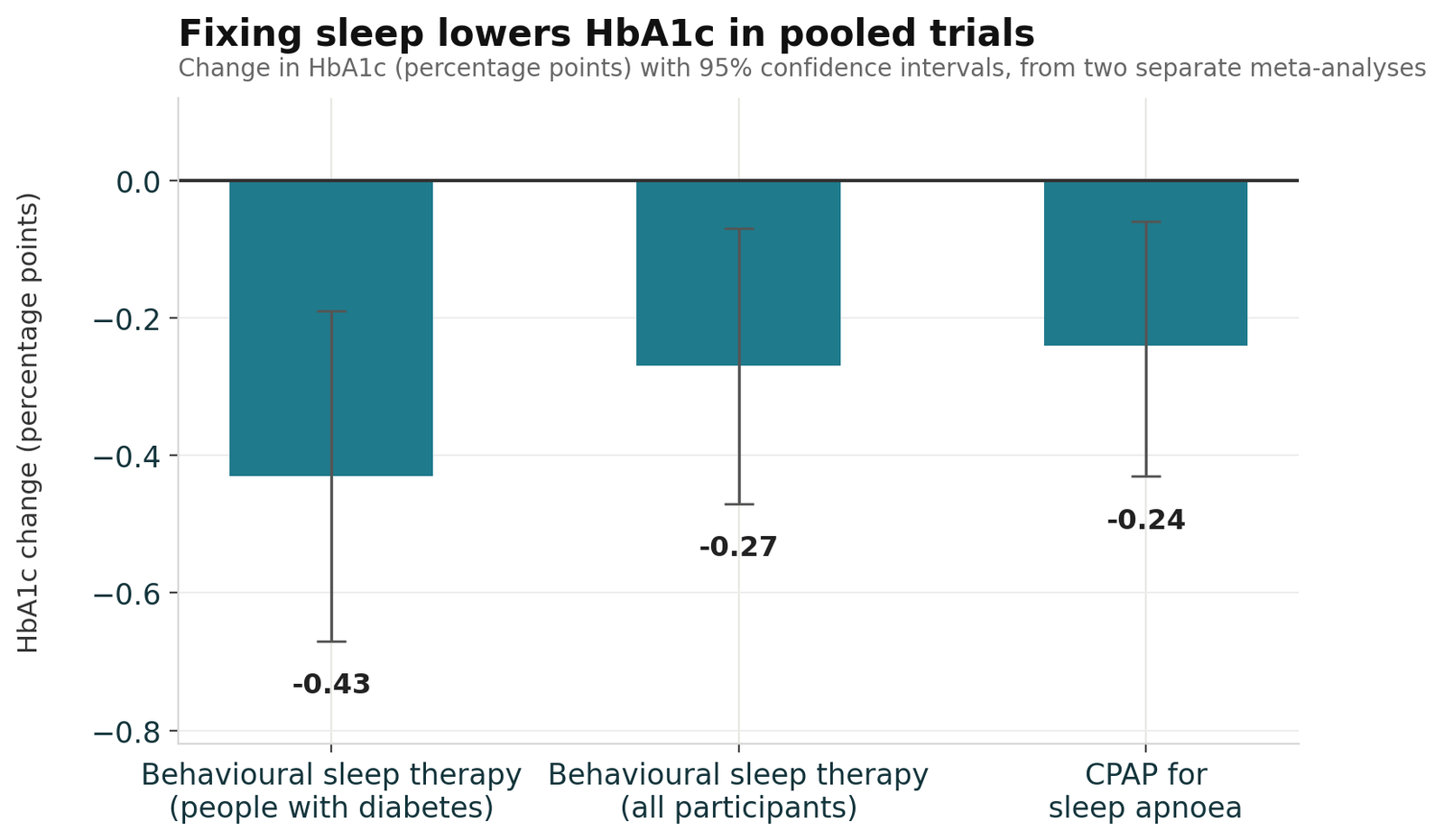
Findings are not uniform. A small 2026 trial improved sleep health in adults with overweight or obesity but produced no improvement in insulin sensitivity, as the Diabetes Care sleep extension trial reported. Extending time in bed does not guarantee a quick metabolic payoff. Better sleep belongs inside diabetes care, not instead of it.
A larger randomised trial found a different practical benefit. Adults with overweight who habitually slept under 6.5 hours added about 1.2 hours of sleep and ate roughly 270 fewer kcal a day across two weeks, with no diet instruction at all, according to the JAMA Internal Medicine trial on sleep extension and energy intake. Whether that translates into lasting diabetes prevention still needs longer studies.
The Indian context
India carries a heavy metabolic burden. The ICMR-INDIAB national study estimated 101 million adults with diabetes and 136 million with prediabetes, with wide variation between states and between urban and rural populations.
Sleep here faces its own pressures: long commutes, shift work, heat, noise, caregiving duties, late dinners and phones. One commercial Indian survey reported that 84% of respondents used their phones just before bed, and 51% said scrolling or binge-watching pushed bedtime later, findings published in the Great Indian Sleep Scorecard. This was a self-reported industry survey, not a representative clinical study, so treat the percentages as describing that sample rather than every Indian adult.
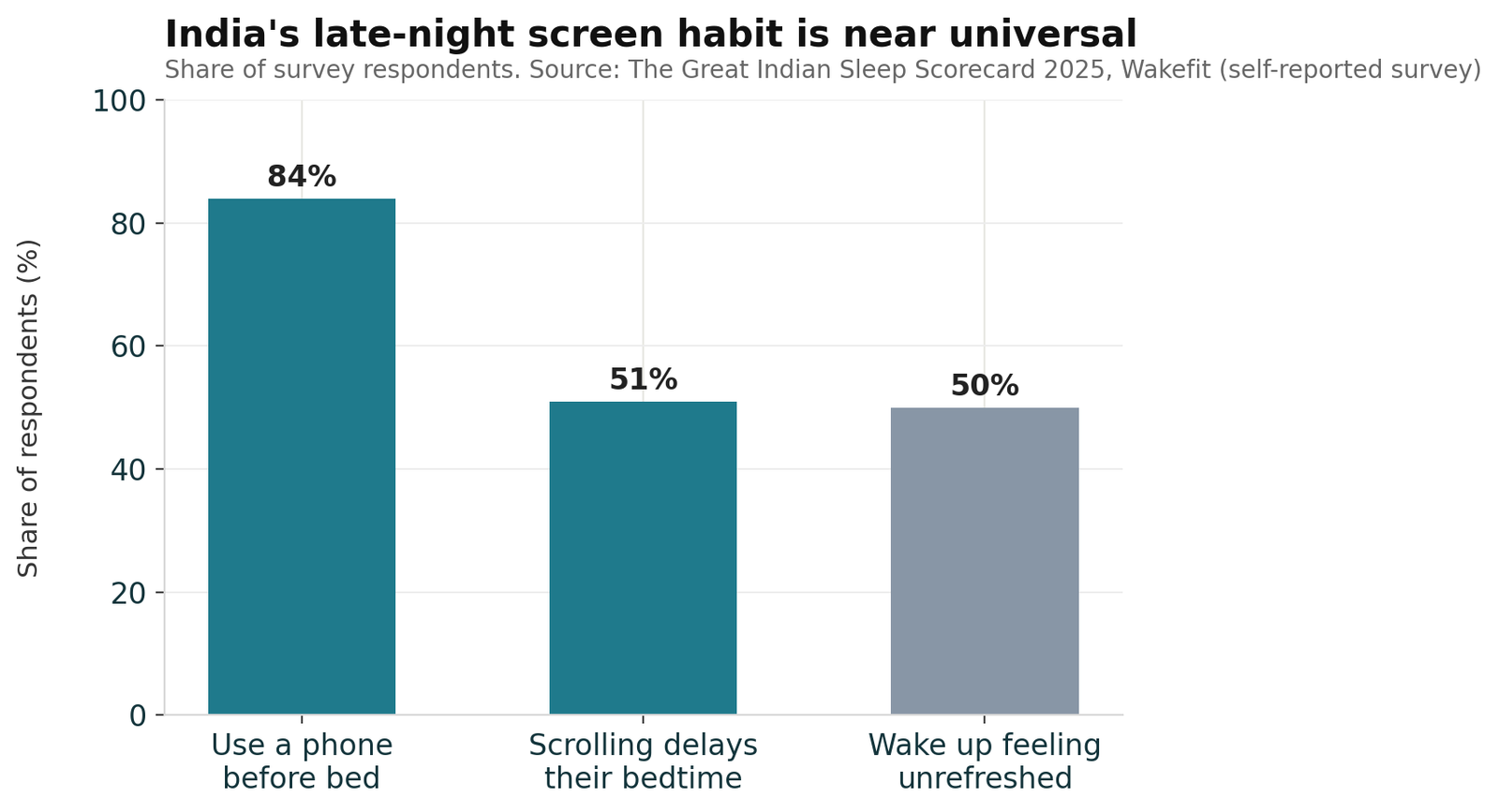
The implication for prevention is straightforward. Advice cannot stop at eating less sugar. Sleep duration, sleep regularity, apnoea symptoms and night-shift exposure deserve the same clinical attention as diet, waist circumference, blood pressure and activity.
A practical sleep plan
Fix one anchor point
Pick a wake time that works on most weekdays and weekends. Count backwards to allow at least seven hours of actual sleep, plus time to settle. If your current schedule falls well short, shift bedtime earlier in 15- to 30-minute steps rather than all at once.
Our sleep hygiene checklist covers the fuller routine, but consistency is the single most useful place to start.
Use light on purpose
Get outdoor light soon after waking wherever possible. In the last two to three hours before bed, dim the room and cut bright screens. Evening display light suppresses melatonin and delays sleep, particularly at higher melanopic intensity, as shown in research on evening display light, melatonin and sleep latency.
Night mode reduces blue-rich light but does nothing about gripping content that keeps you awake. If scrolling is the real reason sleep starts late, charge the phone across the room.
Move caffeine earlier
Caffeine lingers for hours. Tea, coffee, cola, energy drinks and several pre-workout supplements all count. Start by keeping caffeine at least six hours from bedtime, then adjust if sleep stays light or slow to arrive. Our article on the caffeine and sleep relationship breaks down timing in detail.
Leave room after dinner
Aim for a consistent dinner hour and, where practical, two to three hours before lying down. Keep late meals smaller, and avoid letting refined carbohydrate become the whole plate. Dal, vegetables, curd, paneer, eggs, fish or chicken all improve the balance.
This is not permission to skip meals while hungry, pregnant, unwell or at risk of hypoglycaemia. Anyone using insulin or glucose-lowering medicines should discuss meal timing changes with their clinician first.
Move every day
Regular physical activity improves both insulin sensitivity and sleep. In an accelerometer-based cohort, higher activity appeared to blunt some of the extra diabetes risk tied to short sleep, though observational data cannot prove exercise fully cancels sleep loss. The UK Biobank analysis of sleep duration and physical activity sets out those findings.
A daily walking programme is a realistic entry point. Breaking up long seated stretches helps too, as covered in our article on the health risks of prolonged sitting.
Calm the final hour
Build a repeatable wind-down cue: a warm shower, gentle stretching, reading, or slow breathing. For a guided option that needs no equipment, try yoga nidra for sleep.
Do not lie in bed fighting wakefulness for long stretches. CBT-I uses stimulus-control methods precisely to rebuild the mental link between bed and sleep.
A seven-day reset
Keep only the changes that solve a real problem. A simple schedule you maintain beats a perfect routine you abandon in a fortnight.
When to check your blood sugar
Poor sleep can be one contributor when fasting or post-meal readings start climbing, but symptoms and home readings cannot diagnose diabetes on their own. Our guide to early signs of high blood sugar explains when testing makes sense.
Ask a clinician about glucose testing if several of these apply:
-
Overweight or a rising waist measurement.
-
A parent or sibling with diabetes.
-
Previous gestational diabetes or polycystic ovary syndrome.
-
High blood pressure or fatty liver disease.
-
Persistent fatigue, thirst, frequent urination or unexplained weight loss.
-
Loud snoring alongside daytime sleepiness.
If you already use insulin or medicines that can cause low glucose, sudden changes to meal timing, exercise or sleep can shift your readings. Never adjust doses based on an article or a single home result. Seek urgent medical help for severe weakness, confusion, vomiting, breathing difficulty, or very high glucose during illness.
What matters most
Frequently asked questions
Can one bad night raise blood sugar?
Yes. Acute sleep loss can temporarily reduce insulin sensitivity and disturb glucose regulation, especially alongside stress or circadian disruption. One bad night will not cause diabetes. The concern is repeated exposure on top of existing risk.
Is six hours of sleep enough?
Some adults insist they function well on six hours, but population and experimental evidence both place lower metabolic risk at seven to eight. The joint sleep-duration consensus statement recommends at least seven hours regularly for healthy adults. Daytime function, sleep quality and medical history still matter.
Why is my fasting sugar higher after poor sleep?
Sleep loss raises sympathetic activity and alters cortisol while reducing insulin sensitivity. The liver may release more glucose before waking, and cells clear it less efficiently. A repeated pattern deserves a clinical conversation rather than being written off as a bad night.
Can oversleeping cause diabetes?
Long sleep is associated with diabetes in cohort studies, but causality is far less clear than for short sleep. Long sleep often reflects poor sleep quality, depression, illness, low activity or undiagnosed apnoea. A persistent need for more than nine hours alongside fatigue warrants assessment.
Can exercise cancel out short sleep?
No study shows exercise fully cancels chronic sleep loss. Device-based cohort evidence suggests higher activity may reduce the extra risk among short sleepers, so improve both together rather than trading one for the other.
Does weekend catch-up sleep repair the damage?
It relieves sleepiness, but a controlled study found weekend recovery did not prevent weight gain or declining insulin sensitivity once weekday restriction returned. A steadier weekly schedule is more reliable than a Sunday lie-in.
Should people with diabetes take melatonin?
Not automatically. Timing, formulation, interactions and product quality all matter, and melatonin itself can affect glucose handling around meals. Discuss it with a clinician, particularly during pregnancy, or when taking sedatives, anticoagulants or several diabetes medicines.
What is the best bedtime for blood sugar?
There is no universal clock time. Choose a bedtime that allows at least seven hours before a consistent wake time and fits your chronotype and obligations. Regular timing and a gap after dinner are more defensible than insisting everyone must sleep at 10 pm.
When should snoring be checked?
Get it assessed if snoring is loud and habitual, especially with gasping, witnessed breathing pauses, morning headaches, treatment-resistant blood pressure or daytime sleepiness. Those features point towards obstructive sleep apnoea, which needs a formal diagnostic pathway.
Sources
Watson NF, Badr MS, Belenky G, et al. Recommended Amount of Sleep for a Healthy Adult: A Joint Consensus Statement of the American Academy of Sleep Medicine and Sleep Research Society. Sleep, 2015;38(6):843-844.
Shan Z, Ma H, Xie M, et al. Sleep duration and risk of type 2 diabetes: a meta-analysis of prospective studies. Diabetes Care, 2015;38(3):529-537.
Cappuccio FP, D’Elia L, Strazzullo P, Miller MA. Quantity and quality of sleep and incidence of type 2 diabetes: a systematic review and meta-analysis. Diabetes Care, 2010;33(2):414-420.
Nôga DA, Meth EMES, Pacheco AP, et al. Habitual Short Sleep Duration, Diet, and Development of Type 2 Diabetes in Adults. JAMA Network Open, 2024;7(3):e241147.
Chaput J-P, Biswas RK, Ahmadi M, et al. Sleep Irregularity and the Incidence of Type 2 Diabetes: A Device-Based Prospective Study in Adults. Diabetes Care, 2024;47(12):2139-2145.
Buxton OM, Pavlova M, Reid EW, Wang W, Simonson DC, Adler GK. Sleep restriction for 1 week reduces insulin sensitivity in healthy men. Diabetes, 2010;59(9):2126-2133.
Broussard JL, Ehrmann DA, Van Cauter E, Tasali E, Brady MJ. Impaired Insulin Signalling in Human Adipocytes After Experimental Sleep Restriction. Annals of Internal Medicine, 2012;157(8):549-557.
Spiegel K, Tasali E, Penev P, Van Cauter E. Sleep Curtailment in Healthy Young Men Is Associated with Decreased Leptin, Elevated Ghrelin, and Increased Hunger and Appetite. Annals of Internal Medicine, 2004;141(11):846-850.
Al Khatib HK, Harding SV, Darzi J, Pot GK. The effects of partial sleep deprivation on energy balance: a systematic review and meta-analysis. European Journal of Clinical Nutrition, 2017;71(5):614-624.
Tasali E, Wroblewski K, Kahn E, Kilkus J, Schoeller DA. Effect of Sleep Extension on Objectively Assessed Energy Intake Among Adults With Overweight in Real-life Settings. JAMA Internal Medicine, 2022;182(4):365-374.
Scheer FAJL, Hilton MF, Mantzoros CS, Shea SA. Adverse metabolic and cardiovascular consequences of circadian misalignment. Proceedings of the National Academy of Sciences, 2009;106(11):4453-4458.
Garaulet M, Lopez-Minguez J, Dashti HS, et al. Interplay of Dinner Timing and MTNR1B Type 2 Diabetes Risk Variant on Glucose Tolerance and Insulin Secretion. Diabetes Care, 2022;45(3):512-519.
Kianersi S, Liu Y, Guasch-Ferré M, et al. Chronotype, Unhealthy Lifestyle, and Diabetes Risk in Middle-Aged U.S. Women. Annals of Internal Medicine, 2023;176(10):1330-1339.
Xie F, Hu K, Fu R, Zhang Y, Xiao K, Tu J. Association between night shift work and the risk of type 2 diabetes mellitus. BMC Endocrine Disorders, 2024.
Wang X, Bi Y, Zhang Q, Pan F. Obstructive sleep apnoea and the risk of type 2 diabetes. Respirology, 2013;18(1):140-146.
Mostafa SA, Hanif W, Crowe F, et al. The effect of non-pharmacological sleep interventions on glycaemic measures in adults with sleep disturbances. Diabetes and Vascular Disease Research, 2025.
Herth J, Sievi NA, Schmidt F, Kohler M. Effects of CPAP therapy on glucose metabolism in patients with obstructive sleep apnoea and type 2 diabetes. European Respiratory Review, 2023;32:230083.
Depner CM, Melanson EL, Eckel RH, et al. Ad libitum Weekend Recovery Sleep Fails to Prevent Metabolic Dysregulation. Current Biology, 2019;29(6):957-967.
Beals JW, Smith GI, Farabi SS, et al. Sleep Extension Improves Sleep Health but Not Insulin Sensitivity in People With Overweight or Obesity. Diabetes Care, 2026.
Jin X, Chen Y, Feng H, et al. Association of accelerometer-measured sleep duration and different intensities of physical activity with incident type 2 diabetes. Journal of Sport and Health Science, 2024.
Anjana RM, Unnikrishnan R, Deepa M, et al. Metabolic non-communicable disease health report of India: the ICMR-INDIAB national cross-sectional study. The Lancet Diabetes and Endocrinology, 2023;11(7):474-489.
Huiberts LM, Opperhuizen AL, Schlangen LJM. Pre-bedtime activities and light-emitting screen use in university students. Lighting Research and Technology, 2022.
Höhn C, Hahn MA, Gruber G, et al. Melanopic irradiance defines the impact of evening display light on sleep latency, melatonin and alertness. Communications Biology, 2023;6:228.
Wakefit. India’s Sleep Crisis: A Nation Running on Sleepless Nights, The Great Indian Sleep Scorecard 2025. 8th edition, 2025.