
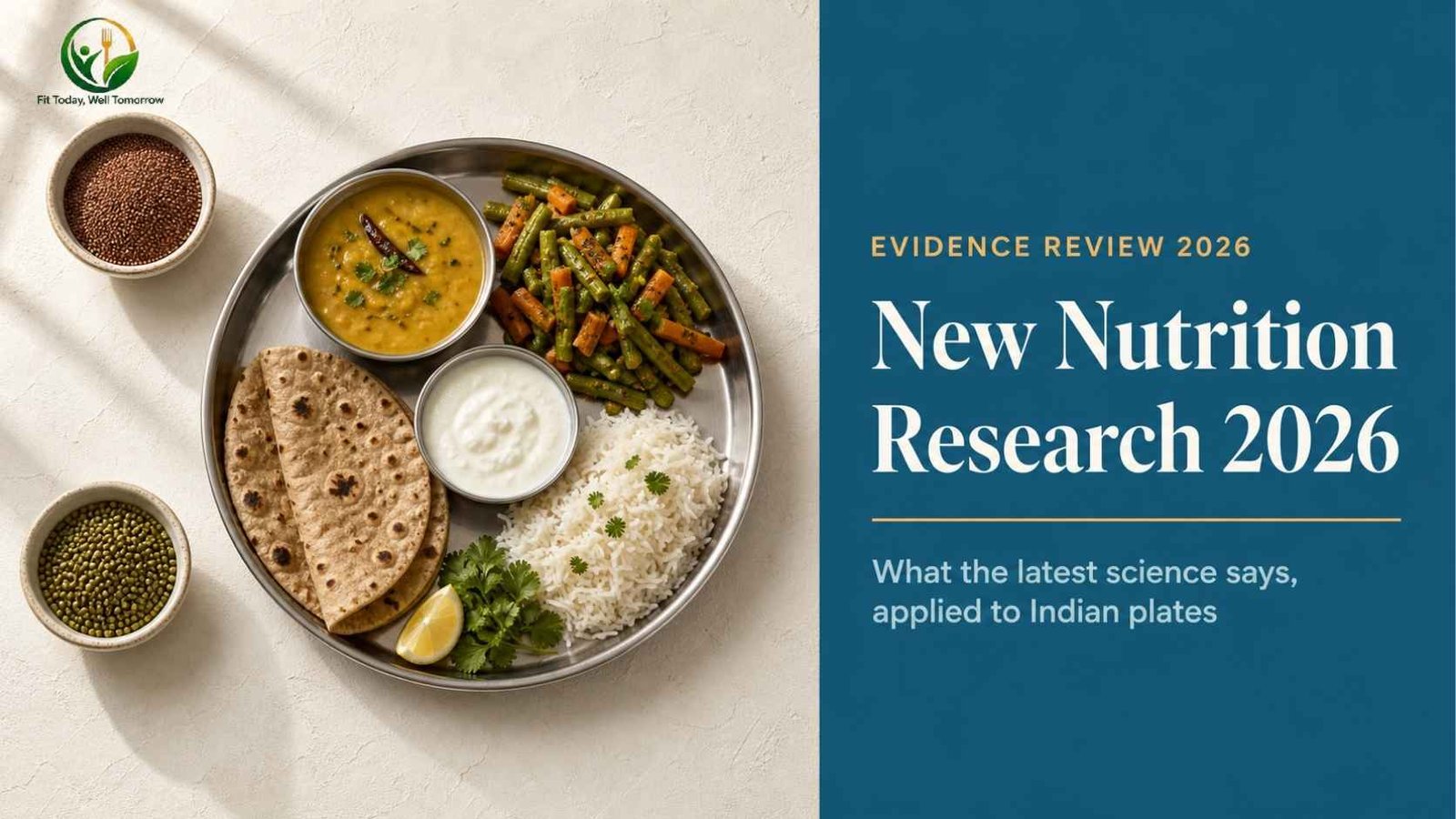
Nutrition science moved fast between 2025 and 2026. Several large trials and reviews landed within months of each other. Some confirmed old advice. Others quietly overturned popular beliefs. A few complicated the story in useful ways.
This guide sorts the strong evidence from the noisy headlines. Every claim is traced to the study or guideline behind it, and each section ends with a practical action for Indian kitchens. Most global research is published on Western diets, so it needs translation before it becomes useful in Ghaziabad, Kochi or Guwahati.
Medical disclaimer: this article is health education, not personal medical advice. Anyone with diabetes, kidney disease, heart disease, thyroid disease or pregnancy should discuss diet changes with a qualified doctor or registered dietitian first.
The Ten Findings That Changed the Conversation
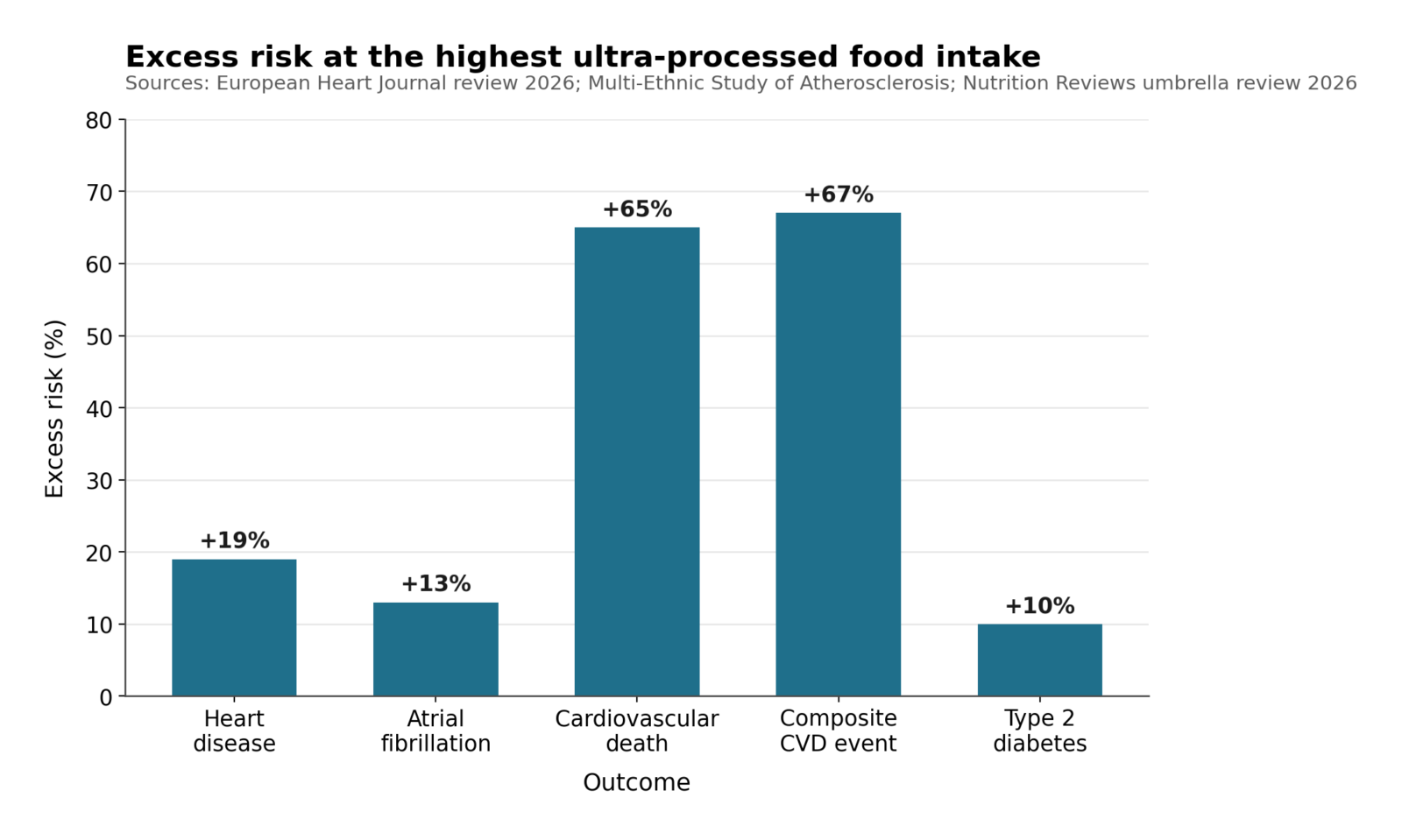
- Ultra-processed food evidence hardened considerably. A 2026 review in the European Heart Journal found the highest consumers face up to 19% greater risk of heart disease and as much as 65% higher risk of cardiovascular death than the lowest consumers.
- Processing itself, not just poor nutrients, now looks like part of the problem. A Tufts University analysis of nearly 48,000 American adults found worse cardiometabolic markers for every 10% rise in calories from these foods, even after adjusting for nutrient quality.
- Weight loss is not one single thing. In a randomised trial published in Cell Metabolism, three diets produced roughly the same 10% weight loss, but liver fat fell 67% on a ketogenic diet against 45% on the other two.
- Sugar substitutes lost their halo. An eight-year study of 12,772 Brazilian adults, published in Neurology, linked the highest sweetener intake to cognitive decline about 62% faster than the lowest intake.
- Protein source matters less than most gym advice suggests. Plant and animal protein produced similar muscle protein synthesis once total intake was adequate.
- Fish oil capsules failed a rigorous brain health test. Omega-3 reached the brain and still delivered no cognitive benefit over two years in a two-year trial reported in eBioMedicine.
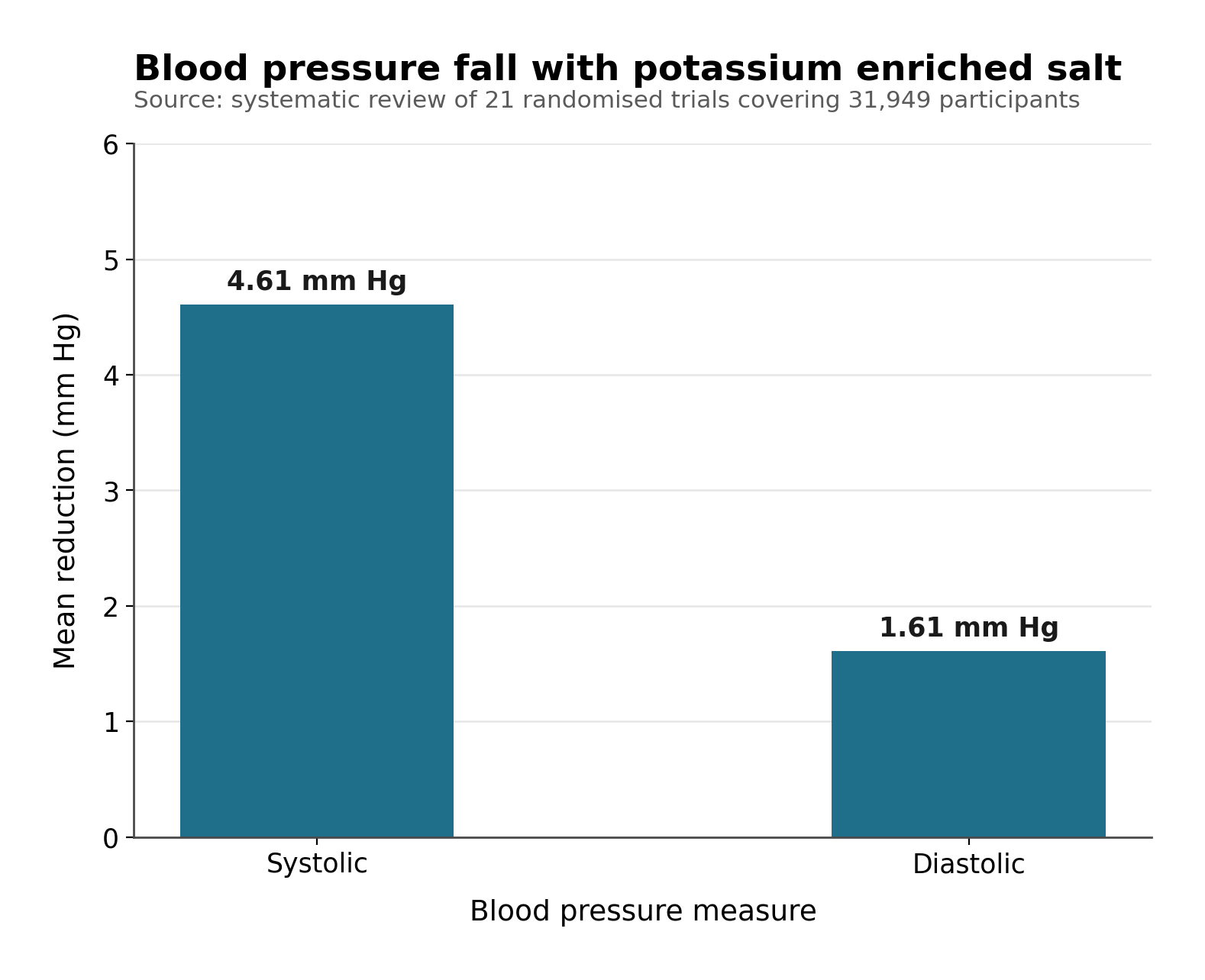
- Salt substitution emerged as one of the cheapest blood pressure levers available, with pooled trials showing mean systolic reductions of about 4.6 mm Hg.
- Waist measurement gained ground over BMI. Body mass index alone identified only about half of adults who met body fat criteria for obesity.
- Obesity leaves a lasting immune imprint. DNA methylation changes in helper T cells appear to persist for five to ten years after weight loss.
- Coffee and tea earned cautious support. Two to three cups of caffeinated coffee daily tracked with an 18% lower dementia risk across 131,821 people, according to Harvard researchers reporting in JAMA.
Ultra-Processed Food: The Evidence Stopped Being Ambiguous
For years, the ultra-processed food debate had a comfortable escape hatch. Critics argued that these foods are simply high in sugar, salt and fat, so nothing new was being measured. That argument became much harder to make in 2026.
Three independent lines of evidence
The European Heart Journal review pulled together all available research on ultra-processed food and cardiovascular disease. Adults with the highest intake showed up to 19% greater risk of heart disease, 13% higher risk of atrial fibrillation and up to 65% higher risk of cardiovascular death. The same review recorded how deeply these foods have entered national diets, contributing 61% of calories in the Netherlands and 54% in the United Kingdom, against 18% in Italy.
A separate team used the American Multi-Ethnic Study of Atherosclerosis to follow 6,814 adults aged 45 to 84 who had no known heart disease. Participants averaging 9.3 servings a day carried a 67% greater risk of heart attack, stroke or death from coronary heart disease than those averaging 1.1 servings. Each extra daily serving added 5.1% to that risk, and the effect was stronger among Black Americans at 6.1% per serving.
A third group at Florida Atlantic University analysed 4,787 adults from the American national health survey. They found a 47% higher cardiovascular disease risk in the top intake group after adjusting for age, smoking and income.
Why processing may matter on its own
The most interesting study of 2026 came from the Food is Medicine Institute at Tufts. Researchers analysed ten cycles of national survey data covering 47,999 adults from 1999 to 2018. For every 10 percentage point rise in calories from ultra-processed food, they recorded higher body mass index, higher HbA1c, higher diastolic blood pressure and a less favourable cholesterol ratio, along with a 4% higher risk of death from any cause.
Those associations survived adjustment for the nutrient quality of the reported foods and for saturated fat, added sugar and sodium content. The senior author, cardiologist Dariush Mozaffarian, pointed to factors beyond nutrients. He listed changes to the cellular structure of food, loss of beneficial compounds, additives, and chemicals migrating from packaging.
An umbrella review in Nutrition Reviews then synthesised twelve lead meta-analyses across thirteen outcomes. Higher intake was linked to increased risk for all but one outcome. Dose-response analysis showed roughly 10% higher risk of type 2 diabetes for every 10% increase in ultra-processed food intake. No meta-analysis showed any health benefit from higher intake, in any outcome.
The honest caveats
Almost all of this evidence is observational. It shows association, not proof of causation. Residual confounding and misclassification of food exposure cannot be ruled out. The umbrella review rated certainty of evidence as high for only one outcome, moderate for six and low for six others.
That is why the sensible reading is a nudge rather than a panic. Processed is not the same as ultra-processed, and the NOVA classification used across this research draws that line clearly. Idli batter, curd, pickles, roasted chana and packaged atta are processed foods that behave nothing like a sweetened breakfast cereal.
What this means in an Indian kitchen
India is among the fastest-growing markets for these products. Market research reported by India Today valued the category at Rs 2.58 lakh crore in 2024, growing at 10% a year since 2019 and projected to reach Rs 3.98 lakh crore by 2029. The share of packaged food in household food budgets nearly doubled from 6.5% in 2015 to 12% in 2019.
The ICMR National Institute of Nutrition already addressed this. Guideline 15 of its Dietary Guidelines for Indians asks households to minimise high-fat, sugar and salt foods along with ultra-processed foods. The same document restricts added sugar to less than 5% of daily energy, roughly 20 to 25 grams for adults, and salt to under 5 grams a day.
Start with your three most frequent packaged purchases. For most Indian households, that means biscuits, namkeen and sweetened beverages. Replace those three with roasted chana, homemade chivda, fruit, nuts and buttermilk, and leave everything else alone for now. If you want a structured starting point, our weight loss diet plan for Indians builds meals around home-cooked staples rather than substitutions from a packet.
Weight Loss Is Not One Thing: The Liver Fat Trial
One of the most instructive trials of 2026 came from Washington University School of Medicine and appeared in Cell Metabolism on 27 August 2026. Fifty-five adults with obesity, prediabetes and fatty liver were randomly assigned to a ketogenic diet, a Mediterranean diet or a very low-fat, plant-forward diet. All food was provided, dietitians met participants weekly, and calories were adjusted so that every group lost about 10% of body weight over roughly five months.
Same weight loss. Very different results inside the liver.
| Outcome after four to five months | Ketogenic | Mediterranean | Low fat, plant forward |
|---|---|---|---|
| Body weight lost | About 10% | About 10% | About 10% |
| Liver fat reduction | 67% | 45% | 45% |
| Prediabetes resolved | 50% of participants | 29% | 7% |
| Liver insulin sensitivity | Two to three times greater gain | Improved | Improved |
| 24-hour blood glucose | Down 20% | Down 8% | Down 8% |
| Blood insulin across the day | Down 74% | Down 44% | Down 27% |
| Blood cholesterol and fats | No adverse change | No adverse change | No adverse change |
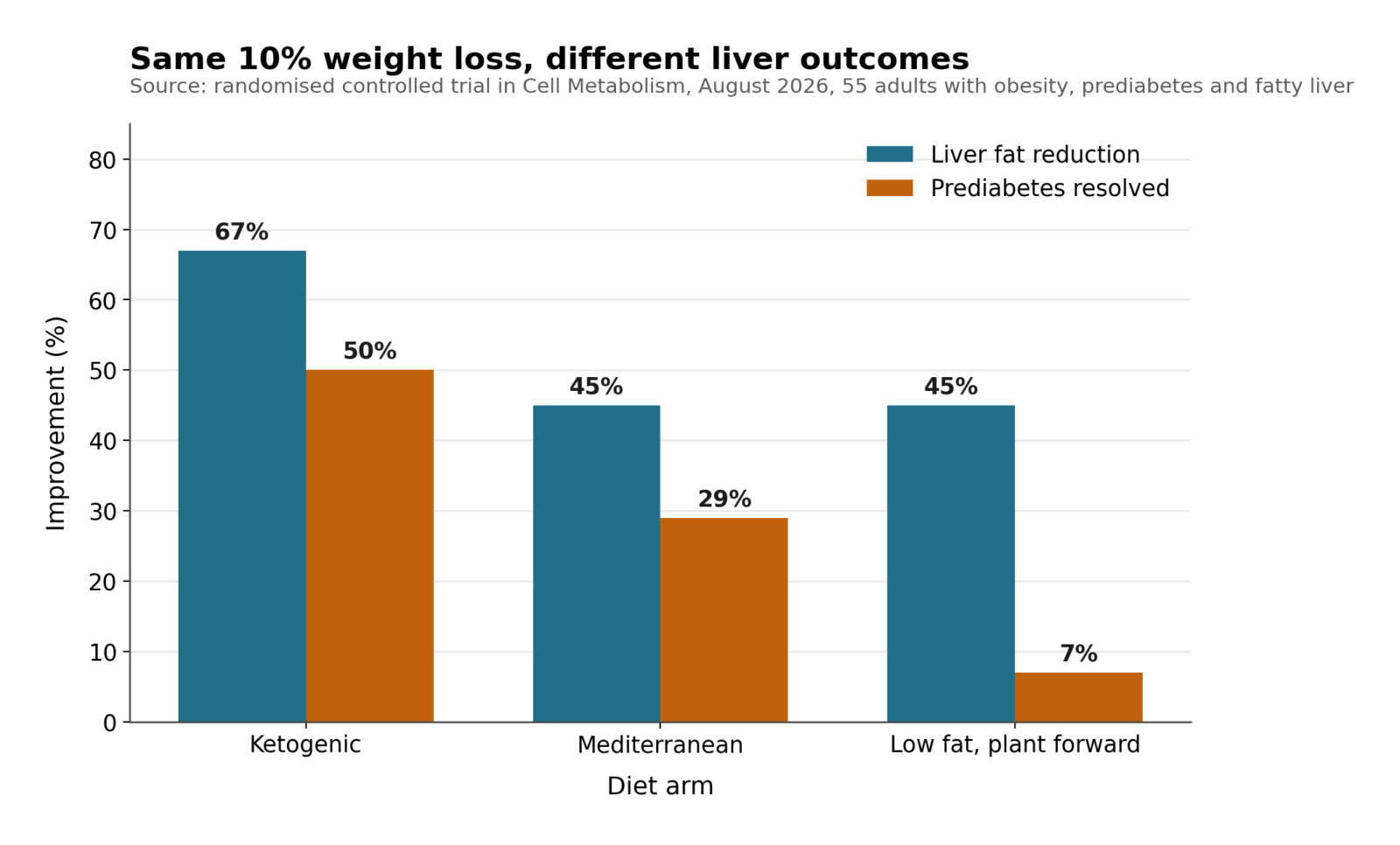
The takeaway is narrow and should stay narrow. The ketogenic arm drew just 4% of energy from carbohydrate and 73% from fat, which is far removed from ordinary eating. Each arm held roughly eighteen people, the trial ran for about five months, and every meal was supplied by the research team. Sample size and duration both limit how widely this applies, and the researchers said so themselves.
What it does show is that diet composition can influence specific metabolic outcomes beyond the effect of weight loss alone. Lead author Max Petersen and senior author Samuel Klein framed it around therapy rather than universal advice. For someone with fatty liver and prediabetes, carbohydrate quantity and quality may deserve more attention than a generic calorie target. That says nothing about people without those conditions. Registration details for trials of this type can be checked on ClinicalTrials.gov before any headline is accepted.
Very low carbohydrate eating is also difficult to sustain on a rice or roti-based diet, and it is not what ICMR-NIN recommends for the general population. A more realistic middle path reduces refined carbohydrate load while keeping the cultural shape of meals intact. Swap a portion of polished rice for whole pulses and vegetables, and keep the dal generous. Our guides on fatty liver disease and insulin resistance explain how these two conditions travel together and why the liver responds so quickly to dietary change.
The Sweetener Story Got Complicated
Diet drinks and sugar-free desserts sit in millions of Indian fridges. A study published in Neurology, the journal of the American Academy of Neurology, gave that habit a serious jolt.
Researchers at the University of Sao Paulo followed 12,772 Brazilian adults, average age around 52, for about eight years. They tracked seven low and no calorie sweeteners: aspartame, saccharin, acesulfame K, erythritol, xylitol, sorbitol and tagatose.
Adults in the highest intake group declined 62% faster on overall thinking and memory measures than those in the lowest group. The authors compared that gap to about 1.6 extra years of brain ageing. The middle group declined 35% faster, roughly equivalent to 1.3 extra years. Six of the seven sweeteners were linked to faster decline, particularly in memory. Tagatose was the only exception.
Two subgroup patterns stood out. The association appeared in adults younger than 60 but not in those older than 60. It was also stronger among people with diabetes, who are frequently advised to swap sugar for substitutes.
The doses were not extreme. The highest consumption group averaged 191 milligrams of sweetener a day, roughly the aspartame in one can of diet soft drink. The lowest group averaged 20 milligrams.
The limits are real. This was observational research, and the authors stated plainly that it cannot establish that sweeteners caused the decline. Reverse causation is plausible, since people with early metabolic problems tend to use more sugar substitutes.
Balancing evidence exists on the other side. A randomised controlled trial reported in the British Journal of Nutrition found that people lost weight and maintained it for two years while drinking either non-nutritive sweetened beverages or water, when both groups took part in weight management programmes.
The sensible position sits between the two. Sweeteners are a useful bridge away from sugar, not a destination. If you drink two diet colas a day, moving to one, then to nimbu pani or unsweetened chaas, is a reasonable direction. Do not swap sugar for sweetener and treat the problem as solved.
Protein: Total Intake Beats Timing and Source
Indian protein content online is full of confident claims about whey superiority, thirty-gram windows and precise meal spacing. A 2025 study from the University of Illinois tested three of those beliefs directly during a nine day diet and weight training programme.
The questions were simple. Does plant or animal protein change muscle gain? Does even distribution across the day matter? Does moderate but sufficient intake change either answer? The result was no on all three counts. Earlier work from the same laboratory found that intakes above 1.1 grams per kilogramme per day made no difference to the rate of muscle protein synthesis during weight training.
That does not make protein quantity irrelevant for everyone. A systematic review in the Journal of Cachexia, Sarcopenia and Muscle found that extra protein alongside resistance exercise produced small additional gains in lean body mass and lower body strength. The effect on lean mass was significant for adults aged 65 and above at 1.2 to 1.59 grams per kilogramme per day, and for younger adults at 1.6 grams or more. National reference intakes sit far lower, at 0.8 grams per kilogramme in the United States and Canada and 0.83 grams in the European framework.
There is also a countercurrent worth knowing about. A 2026 paper in a Cell Press journal noted that despite widespread advice for higher protein in ageing, evidence continues to accumulate that protein restriction promotes metabolic health and lifespan across organisms. That tension is unresolved and worth watching rather than acting on.
India’s protein problem is quality, not headlines
Two independent datasets tell a clearer story about Indian protein than any influencer thread.
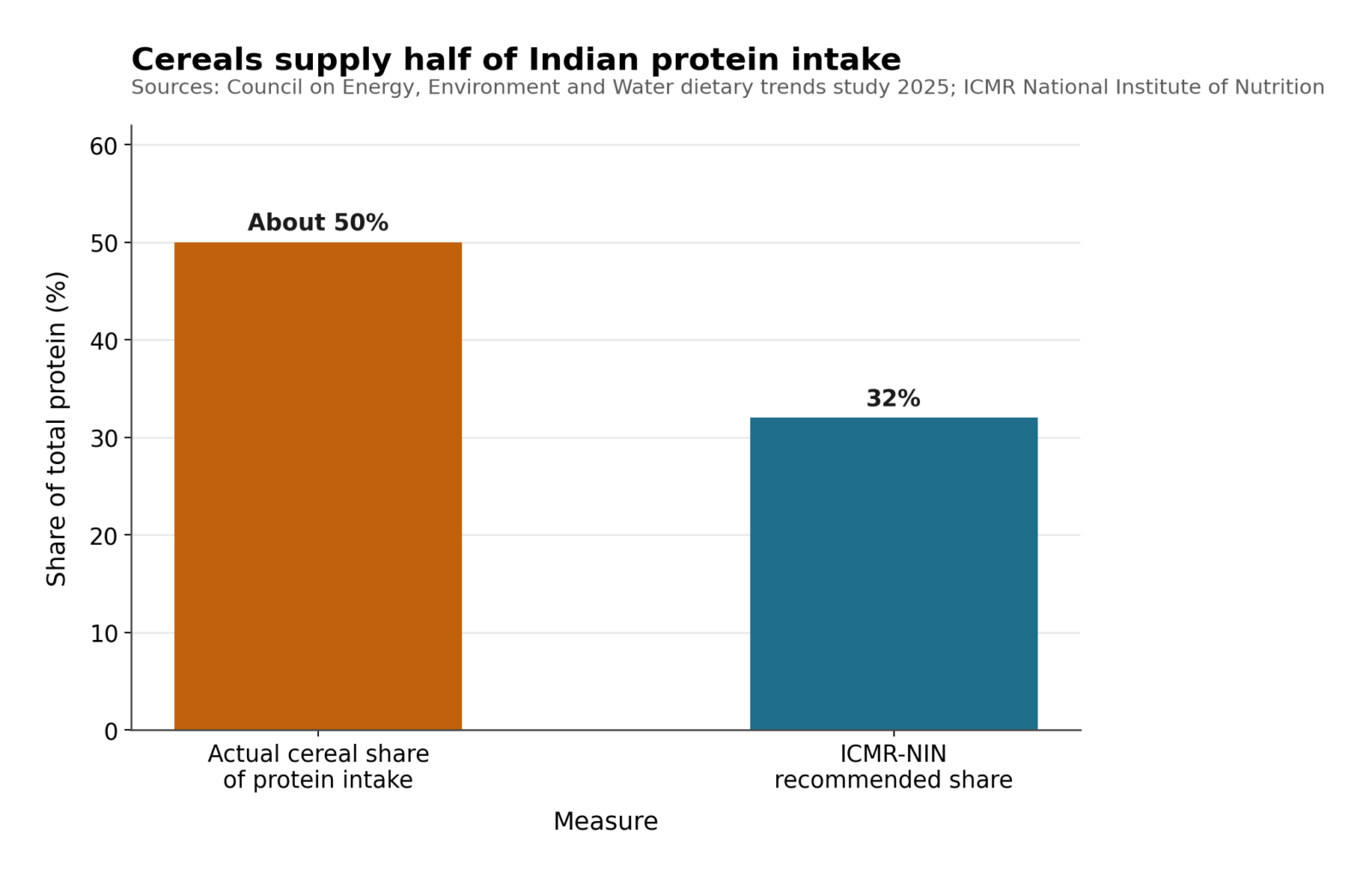
A dietary trends study from the Council on Energy, Environment and Water found that Indians consume an adequate average of 55.6 grams of protein a day at home, but nearly 50% of that comes from cereals such as rice, wheat, suji and maida. The recommendation from the Indian Council of Medical Research is that cereals contribute about 32%, so cereal protein is crowding out pulses, dairy, eggs, fish and meat. Official statistics show average per capita protein intake rose only slightly over a decade, from 60.7 to 61.8 grams in rural areas and from 60.3 to 63.4 grams in urban areas between 2011 to 2012 and 2023 to 2024.
A nationwide LocalCircles survey of more than 2.07 lakh responses across 25 metro and urban districts, published in February 2026, found that only 4 in 10 urban Indians include protein-rich foods such as lentils, eggs, milk, paneer, fish or nuts in daily meals. Nearly 74% could not correctly state the recommended daily protein intake, and about 85% do not track intake at all. Affordability was the top barrier, followed by taste preference and dietary restriction.
ICMR-NIN also takes a firm line on powders. Guideline 8 asks Indians to obtain good quality protein and essential amino acids through appropriate food combinations, and to avoid protein supplements for building muscle mass.
The fix is not a tub of imported isolate. It is a second protein source at every meal. Add curd to lunch. Add an egg or a paneer portion to breakfast. Add sprouts or rajma to dinner. Combine cereals with pulses in the same meal, which is exactly what khichdi, idli with sambhar and roti with dal already do. Detailed portion maths for vegetarians sits in our guide on how much protein Indian vegetarians need, and the shopping list is covered in best sources of protein for vegetarians in India. For morning meals specifically, our roundup of high-protein breakfasts for weight loss works around Indian ingredients rather than oats and berries.
Fibre and Fermented Foods: Old Advice, Strong Foundations
Fibre remains one of the most reliable findings in nutrition. A series of systematic reviews and meta-analyses in The Lancet drew on just under 135 million person-years of data from 185 prospective studies plus 58 clinical trials. Comparing the highest fibre consumers with the lowest showed a 15% to 30% decrease in all-cause and cardiovascular mortality, and in the incidence of coronary heart disease, stroke, type 2 diabetes and colorectal cancer.
The dose matters. Benefits were greatest between 25 and 29 grams a day, with additional protection likely above 30 grams. For every 8-gram increase per day, total deaths and incidence of coronary heart disease, type 2 diabetes and colorectal cancer fell by 5% to 27%. Trials also showed lower body weight, systolic blood pressure and total cholesterol at higher intakes.
Fermented foods work through a different route. A randomised trial from Stanford School of Medicine assigned 36 healthy adults to ten weeks of either a high fermented food diet or a high fibre diet. Curd, kefir, fermented cottage cheese, kimchi, fermented vegetables, vegetable brine drinks and kombucha increased overall microbial diversity, with stronger effects at larger servings. Four immune cell types showed less activation, and levels of 19 inflammatory proteins in blood fell, including interleukin 6. None of those 19 proteins fell in the high fibre group.
Newer work is testing whether fibre needs to be personalised. A 2026 proof-of-concept crossover trial in Frontiers in Nutrition matched fibre type to each participant’s own gut fermentation capacity. Seven of eight participants produced more volatile fatty acids during their matched fibre phase. The authors were careful to call this preliminary, given the small sample and the surrogate endpoint.
Traditional Indian cooking is unusually well placed here. Idli, dosa, dhokla, kanji, curd, buttermilk and pickled vegetables are fermented staples that no imported product improves upon. Whole pulses, millets, vegetables, fruit with skin and nuts supply fibre without supplements. Our practical guides on fermented foods, probiotics and gut health for Indians and the top probiotic foods in India list what to buy and what to skip. If your problem is slow digestion rather than diversity, start with our evidence based guide to constipation relief and digestive health.
Additives: Emulsifiers Under the Microscope
Emulsifiers keep ice cream smooth and sauces stable. They have become a focus of ultra-processed food research.
Animal work is fairly striking. In a study published in Nature Communications, female mice were given carboxymethyl cellulose and polysorbate 80 from ten weeks before pregnancy through breastfeeding. Their offspring, which never consumed the emulsifiers directly, showed altered gut bacteria within the first weeks of life, disrupted immune training, chronic inflammation in adulthood, and greater susceptibility to inflammatory bowel conditions and obesity.
Human evidence is more measured. A placebo controlled randomised trial in Clinical Gastroenterology and Hepatology tested five emulsifiers against placebo for four weeks. All short-chain fatty acid concentrations were lower with carboxymethyl cellulose, and transcellular intestinal permeability increased with carrageenan. The trial found no differences in faecal calprotectin, C-reactive protein, cholesterol or other metabolic markers between placebo and emulsifiers. The authors described potential intestinal benefits of limiting emulsifiers while calling for further investigation.
Large French cohort work has linked higher emulsifier exposure to greater risk of type 2 diabetes in over 100,000 adults, and to breast and prostate cancers in another cohort of more than 90,000. Those remain correlations.
The honest reading is straightforward. The mechanism is plausible, and the animal data are concerning, while human clinical evidence is early and mixed. That is a reason to reduce reliance on additive-heavy convenience food, not a reason to fear every ingredient list. Permitted additives and their limits are published by the Food Safety and Standards Authority of India.
Supplements: One Clear Failure, One Nuanced Case
Fish oil for the brain
This was the most decisive negative result of 2026. A randomised, double blind, placebo-controlled trial published in eBioMedicine followed 365 adults aged 55 to 80 at elevated risk of Alzheimer’s disease for two years. The team at the Keck School of Medicine, University of Southern California, gave participants either 2 grams of DHA a day or an identical placebo.
The design answered the standard question first. Cerebrospinal fluid testing confirmed that DHA reached the brain, rising about 17% after six months. The omega-3 index in red blood cells climbed from 4.9% to 11%. Delivery worked, and it worked regardless of whether participants carried the APOE e4 risk gene.
The outcome did not follow. Participants taking DHA performed no better on memory and cognition tests than placebo, and brain scans showed no slowing of hippocampal shrinkage. Lead investigator Hussein Yassine put it bluntly, saying the findings do not support fish oil supplements as a preventive measure against Alzheimer’s. He added that in the context of a typical Western diet with no exercise and constant stress, more omega-3 in the brain does not move the needle. The authors concluded that future research should prioritise brain DHA metabolism over further supplementation trials.
This says nothing against eating fish. It says a capsule cannot substitute for a dietary pattern.
Vitamin D, with real caution
The vitamin D headline of August 2026 came from Emory University. Adults with mild cognitive impairment and sleep disturbance who took at least 5,000 IU daily scored more than 13% higher on the Montreal Cognitive Assessment than those taking none. Lower doses showed no significant association, and D2 and D3 performed alike.
Now the caveats, which matter enormously here. The study included only 54 adults. Supplement intake was self-reported rather than assigned. It captured a single point in time and therefore cannot establish causation. On top of that, 5,000 IU sits above the 4,000 IU daily ceiling that American and European regulators consider safe for unsupervised long-term use. A 2026 systematic review of nine randomised trials in adults aged 60 and over found vitamin D3 associated with better overall cognition, with the clearest effects on language and working memory and none on attention or executive function.
The most defensible reading is that correcting a genuine deficiency may help, and that stacking more on top of an adequate level does not.
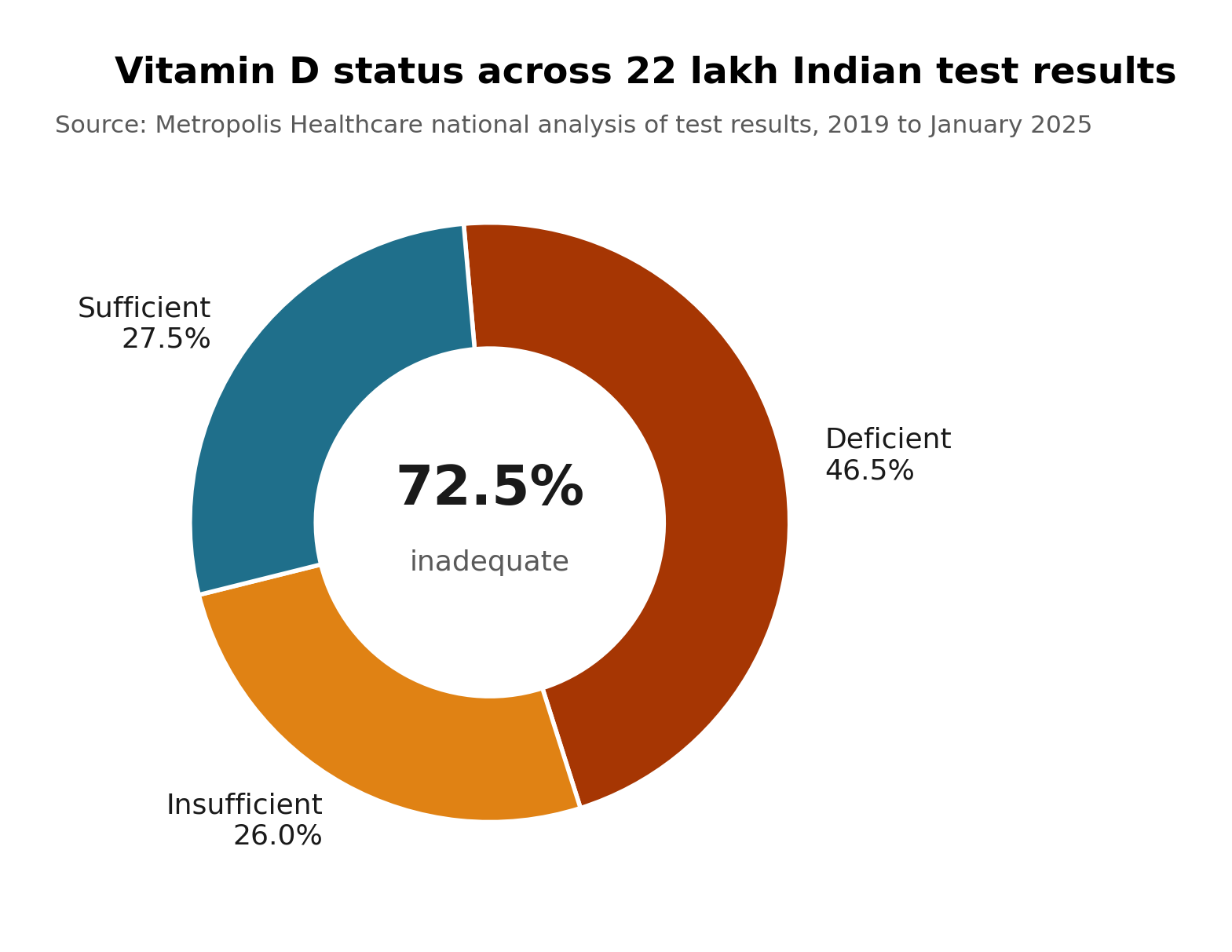
This matters in India because deficiency is common. A meta-analysis of 65 studies covering 44,717 participants, indexed on PubMed, put pooled vitamin D deficiency prevalence at 67%, higher in females at 75% and in people under 25 at 84%. A separate analysis of more than 22 lakh test results by a national pathology chain found 46.5% deficient and another 26% insufficient, with teenagers worst affected at 66.9%. National deficiency rates in that dataset fell from around 51% in 2019 to 2020 to 43% in 2023 to 2024.
Test before you dose, then dose to correct a measured shortfall under medical supervision. Our article on vitamin D deficiency symptoms covers what to look for and which tests to ask for.
Vitamin B12 and a genuinely interesting development
Vegetarian and vegan diets carry a real B12 risk, and India’s largely vegetarian population feels it. A study published in Discover Food in August 2026 reported the first biologically active vitamin B12 in Spirulina, achieved by controlling the light in which the algae grows. The biomass contained 1.64 micrograms of active B12 per 100 grams, against 0.7 to 1.5 micrograms per 100 grams in beef.
That is a production breakthrough, not a shopping instruction. Conventional Spirulina on shelves today mainly contains a pseudo form the human body cannot use. Until product labelling catches up, vegetarians should rely on fortified foods, dairy and medically supervised supplementation. Our guides on vitamin B12-rich foods for vegetarians in India and vitamin B12 and brain health explain the stakes, and iron deficiency anaemia in India covers the deficiency that often travels alongside it.
Salt and Potassium: The Cheapest Blood Pressure Win
If one nutrition intervention deserves more attention in India, it is this one.
The World Health Organization recommends less than 5 grams of salt per person per day. Indian intake sits far above it. Studies from the ICMR National Institute of Epidemiology put average daily intake at around 9.2 grams in urban areas and 5.6 grams in rural areas. A white paper by Indian medical experts placed the national average between 8 and 11 grams, roughly twice the WHO limit.
Potassium-enriched salt substitutes replace part of the sodium chloride with potassium chloride, usually 15% to 30%. The evidence base is now substantial. A systematic review of 21 trials covering 31,949 participants found a mean systolic blood pressure reduction of 4.61 mm Hg and a diastolic reduction of 1.61 mm Hg across the 19 trials reporting blood pressure. Across five trials reporting cardiovascular outcomes, potassium-enriched salt reduced major cardiovascular events by 11% and total mortality by 11%. A meta-regression found that each 10% reduction in the sodium content of the substitute was associated with a 1.5 mm Hg greater systolic fall.
Community-level data support the same direction. A stepped-wedge cluster randomised trial across six villages in Peru, covering 2,376 participants, found population-wide blood pressure reductions and roughly halved incidence of hypertension among those without hypertension at baseline. The WHO guideline on potassium intake sets a recommended level of at least 3,510 milligrams a day for adults, which most Indian diets miss.
The safety caveat is important. Potassium substitutes are not for everyone. People with chronic kidney disease, or any condition that impairs potassium excretion, face a risk of hyperkalaemia that can cause arrhythmias. A 2026 randomised pilot trial in resistant hypertension found no clinically relevant hyperkalaemia or serious adverse events over 24 weeks, with a between-group systolic difference of 2.47 mm Hg, but that was a small supervised study.
A related 2026 report argued that blood pressure may be controlled more effectively by increasing potassium while cutting sodium, since most people consume far less potassium than recommended. Potassium-rich Indian foods are ordinary and cheap: banana, coconut water, rajma, moong, spinach, tomato, curd and sweet potato.
Reduce salt at the table first, then in cooking. Use jeera, kali mirch, amchur, kokum, curry leaves and hing to keep food interesting. Discuss substitutes with a doctor if you have kidney disease or take potassium-sparing medicines. Our hypertension management in India guide covers monitoring and medication interaction in more detail, and stair climbing for heart health covers the movement side of the same equation.
Meal Timing: Modest, Real, and Often Oversold
Intermittent fasting continues to attract more attention than its effect size deserves. The 2026 evidence is best described as modest but genuine.
A systematic review in Nutrition Reviews examining 8-hour time-restricted eating, the pattern popularly called 16 by 8, found slight reductions in fasting glucose, insulin resistance scores and insulin levels, with improvement in HDL cholesterol compared with control diets. Effects were moderated by participant sex, physical activity level and intervention duration.
In people with type 2 diabetes, the signal is somewhat stronger. A 2026 systematic review of 12 studies with 344 participants found reductions in HbA1c of 0.32 percentage points and fasting blood glucose of 0.44 millimoles per litre, with continuous glucose monitoring showing 8.92 percentage points more time in range. The same review noted that time-restricted eating did not affect cholesterol or total sleep time, and may lengthen sleep latency.
Timing within the day appears to matter. A meta-analysis of 18 studies with 1,169 participants found that benefits for glucose faded as later eating windows were included, and only early time-restricted eating significantly reduced fasting glucose. A separate 2026 analysis in Diabetologia found reduced fasting blood glucose overall, with HbA1c improvement in people with prediabetes but not in those with established type 2 diabetes.
There is also a small brain signal. A six-month trial found that older women who limited eating to roughly 8 to 9 hours a day performed better on planning and problem-solving tests than those who did not.
An early window suits Indian routines better than the popular late window. Finishing dinner by 8 pm and eating breakfast at 8 am delivers a 12-hour overnight fast without skipping the social meal. Anyone on insulin or sulfonylureas must not attempt this without medical supervision, because hypoglycaemia risk is real. Our intermittent fasting guide covers protocol selection, and early signs of high blood sugar explains what to watch for.
Measuring Health: Waist Beats BMI, and Fat Leaves a Memory
Two findings reshaped how risk should be assessed.
First, measurement. A study in JAMA Network Open compared obesity definitions against body fat scans. Waist circumference alone, or BMI combined with waist circumference, performed about as well as a newer approach using multiple body measurements. BMI alone had the lowest diagnostic accuracy of the methods studied, and identified only about half of adults who met the study’s body fat criteria for obesity.
A separate analysis in the Journal of the American College of Cardiology found that people with normal weight or overweight BMI, but clinically high waist circumference or waist to hip ratio, carried 15% to 50% greater risk for most of nine studied cardiovascular outcomes. Research in a South Asian population found that waist circumference correlated more strongly with triglycerides than BMI, and was the only measure significantly associated with hypertension. Combining both measures with age and sex improved discrimination substantially.
This matters especially for Indians. South Asians carry a thin fat phenotype, with more central and visceral fat at a given BMI. Indian obesity thresholds already reflect this, with overweight defined at a BMI of 23.0 to 24.9 and obesity at 25 or above.
Second, the biology of weight regain. A ten-year study published in EMBO Reports found that obesity imprints helper T cells through DNA methylation, and that these changes appear to persist for five to ten years after successful weight loss. The affected pathways involve autophagy and immune senescence. Roughly 80% of people who lose weight eventually regain it, and this immune memory may contribute. A separate 2026 study in Science Translational Medicine found that 51.9% of genes with obesity induced RNA splicing changes in adipose tissue macrophages remained altered after weight loss in mice.
The practical message from the Birmingham research team was not fatalistic. Ongoing weight management after loss will see the obesity memory slowly fade, likely over five to ten years of sustained maintenance.
Buy a measuring tape. Track waist alongside weight. Treat maintenance as the main phase of the project, not the aftermath. Our obesity causes, health risks, prevention and treatment guide and the roundup of scientifically proven weight loss strategies both prioritise sustainable maintenance over rapid loss. For those exploring medication, GLP-1 weight loss drugs in India sets out what is available and what it costs.
Coffee, Tea and Bones: Two Findings Worth Knowing
Caffeine had a good year. A prospective cohort study published in JAMA analysed 131,821 participants from the Nurses’ Health Study and the Health Professionals Follow-Up Study over as long as 43 years, during which 11,033 developed dementia.
Participants with the highest caffeinated coffee intake had an 18% lower dementia risk than those who drank little or none, and a lower prevalence of subjective cognitive decline at 7.8% against 9.5%. The strongest associations clustered around two to three cups of coffee or one to two cups of tea daily. In people aged 75 or younger, dementia risk fell by 35% at roughly 250 to 300 milligrams of caffeine a day. Benefits plateaued after about two and a half cups. Decaffeinated coffee showed no clear benefit, which points to caffeine as the likely active component. A pooled analysis of 38 further studies found 6% to 16% lower dementia risk among caffeine drinkers.
There is a countervailing finding on bones. Researchers following nearly 10,000 older women for ten years found that tea drinking was associated with slightly higher total hip bone mineral density. Moderate coffee at two to three cups a day was not associated with harm, but more than five cups a day was linked to lower bone density.
Both studies are observational, so neither proves causation. Together they support a familiar boundary. Two to three cups, taken early enough not to disturb sleep. Our article on the relationship between caffeine and sleep explains why the timing of that last cup matters more than the total.
The Indian Context: Why Global Research Needs Translation
India carries an unusual double burden. Deficiency and excess sit in the same households.
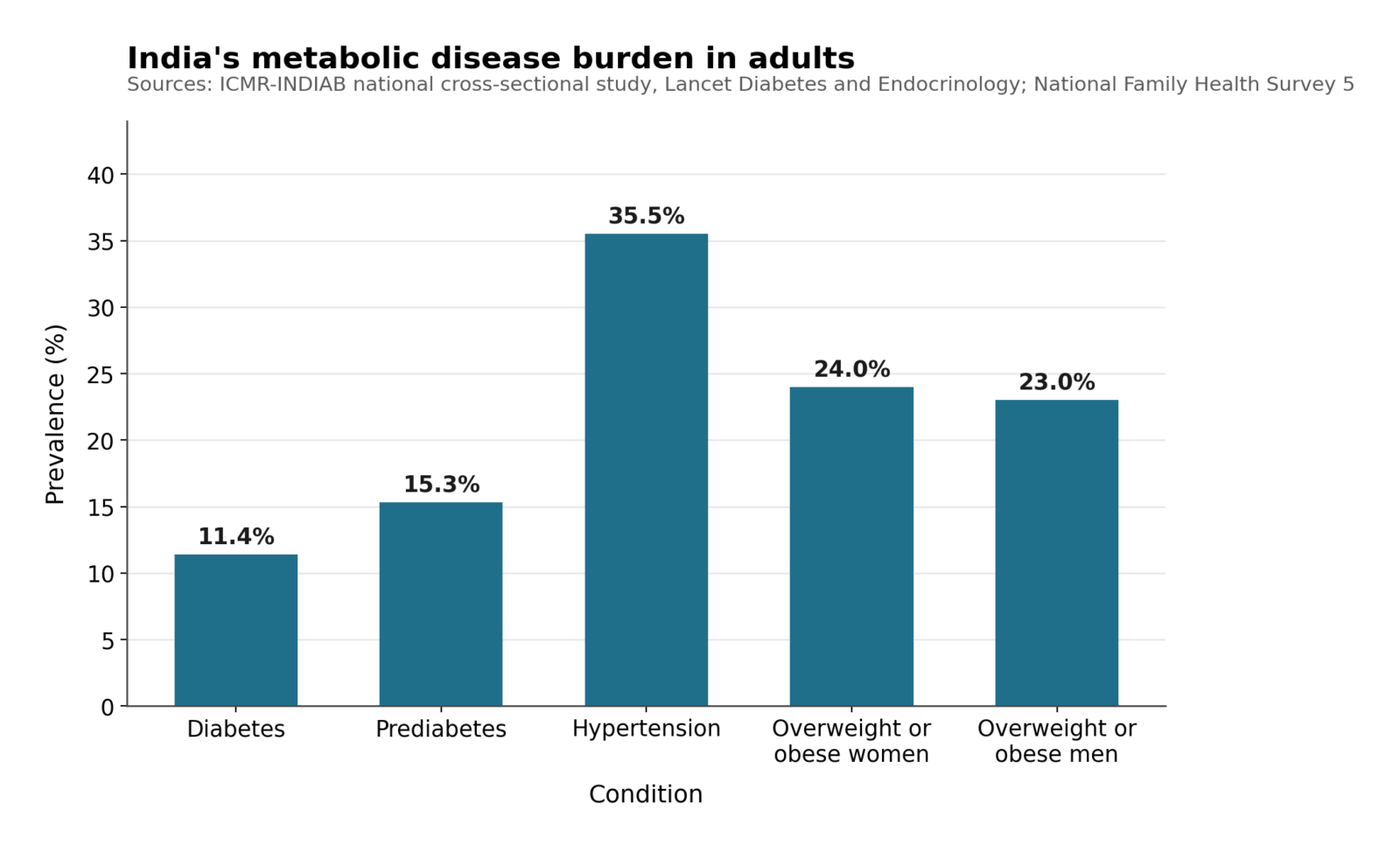
The ICMR-INDIAB national cross-sectional study, published in The Lancet Diabetes and Endocrinology, reported a weighted prevalence of 11.4% for diabetes and 15.3% for prediabetes. That translates to 101 million people with diabetes and 136 million with prediabetes. Hypertension prevalence was 35.5%, generalised obesity 28.6% and abdominal obesity 39.5%. Urban diabetes prevalence stood at 16.4% against a much lower rural figure.
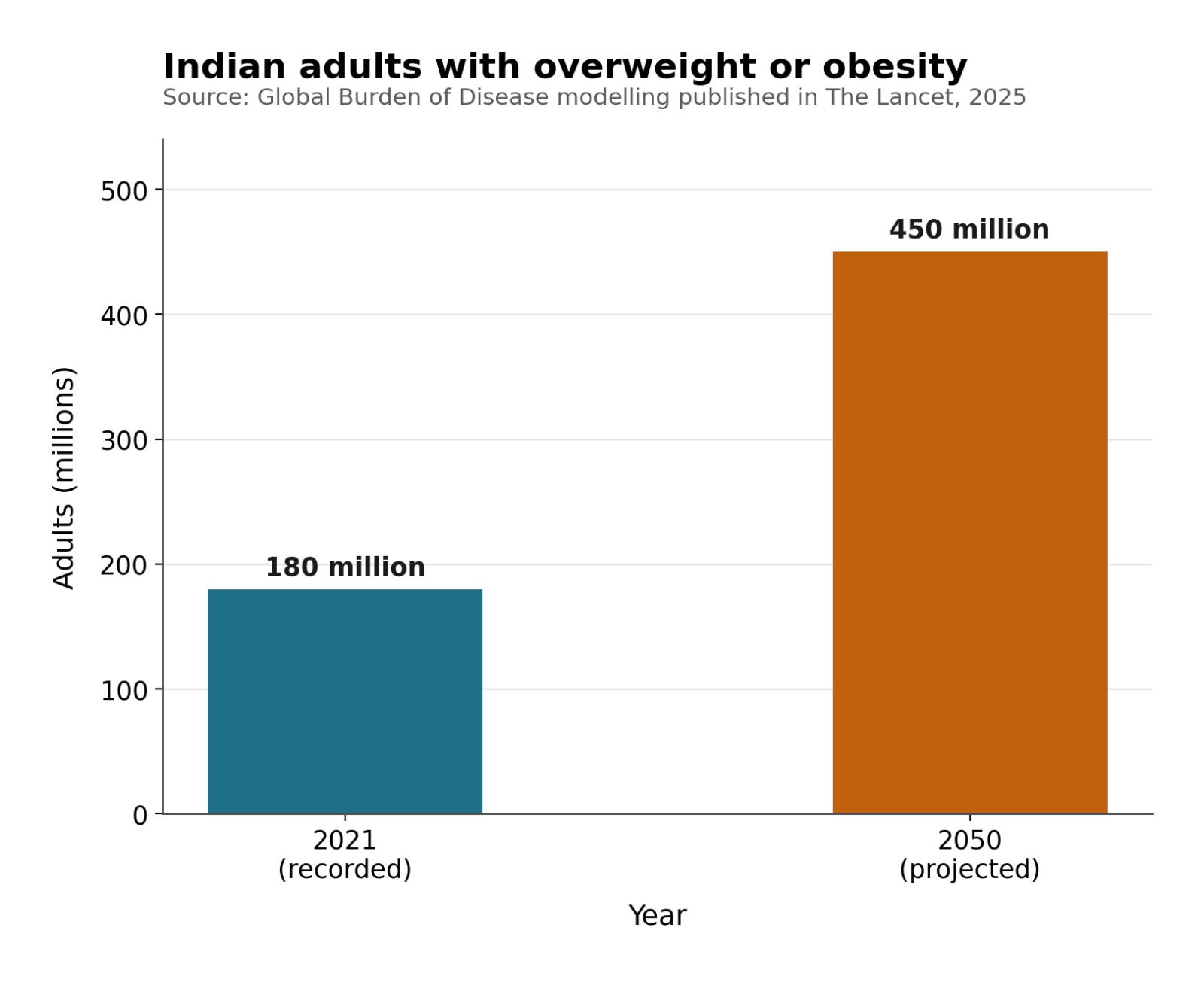
Global Burden of Disease modelling published in The Lancet estimated 180 million Indian adults with overweight or obesity in 2021, projected to reach about 450 million by 2050, second only to China. In the 15 to 24 age group, India is projected to carry the world’s highest burden by 2050. Country-level data are collated by the Global Obesity Observatory.
National Family Health Survey data show 24% of Indian women and about 23% of men aged 15 to 49 are overweight or obese, with obesity at 6.4% and 4% respectively. The Economic Survey flagged India as among the fastest-growing markets for ultra-processed products, with consumption growing over 150% between 2009 and 2023 and displacing traditional diets.
Labels are finally changing
Front-of-pack labelling had been stuck in consultation since 2018. That changed in 2026 under judicial pressure.
In February 2026, the Supreme Court directed the Food Safety and Standards Authority of India to implement interpretive warning labels on packaged food high in sugar, salt and saturated fat. In August, the court rejected an FSSAI proposal for a numerical table as inadequate, and warned that it would issue its own directions.
On 28 August 2026, FSSAI filed a compliance affidavit proposing red hexagonal front-of-pack warning labels for products high in two or more nutrients of concern, namely added saturated fat, added sugar and salt. Thresholds are drawn from the ICMR-NIN Dietary Guidelines for Indians 2024. Labels would read High Fat, High Sugar, High Salt or Highly Sweetened Beverage, in a font one point larger than the nutrition table on the back. Single-ingredient products and items inherently rich in these nutrients, such as ghee, edible oil, jaggery and honey, would be exempt. Implementation would come in phases, with Phase I covering products high in two or more nutrients and Phase II extending to any one.
Separately, the Food Safety and Standards Labelling and Display First Amendment Regulations 2026 were notified on 24 March 2026 and come into force on 1 July 2027. Public health advocates have flagged gaps that could let some unhealthy products escape a warning.
Until the framework settles, the information you need is already on the back of every pack. Our guide to food warning labels in India explains how to read the existing nutrition panel.
Millets and glycaemic load
India’s millet push has research behind it, though the picture is not uniform. A 2026 systematic review and meta-analysis in Nutrition Reviews found that millet intake significantly reduced postprandial glucose, with the largest effect for finger millet, a significant reduction for pearl millet, and no significant effect for sorghum. Long-term intake improved fasting blood glucose, and one study reported reduced HbA1c in 75% of participants after three months.
Not every Indian trial agreed. A randomised controlled crossover trial found similar 24-hour glycaemic responses for finger millet and white rice diets, despite the millet’s higher fibre content.
ICMR-NIN recommends that 20% to 30% of cereals by raw weight come from millets for adults, and 20% for children up to age 10. That is a target, not a total replacement. Our guides on millets as everyday superfoods and the glycaemic index of Indian foods show how to hit that share without rebuilding your entire kitchen.
One cooking trick with real data
Cooling cooked starch causes retrogradation, which increases resistant starch. This is not folklore. A crossover study in healthy adults found resistant starch rose from 0.64 grams per 100 grams in freshly cooked white rice to 1.65 grams after 24 hours at 4 degrees Celsius followed by reheating, and glycaemic response fell significantly.
A study in adults with type 1 diabetes found lower maximum glycaemia and a much smaller area under the glycaemic curve with cooled and reheated rice. The number of hypoglycaemic episodes rose when the insulin dose was left unchanged. A 2026 trial in adults with type 1 diabetes found the same pattern with pasta, with resistant starch rising from 8.03 to 12.88 grams per 100 grams and no increase in early hypoglycaemia.
Yesterday’s refrigerated rice, reheated, behaves a little better than fresh rice for blood sugar. Store it safely and reheat thoroughly. If you use insulin, discuss dose adjustment with your doctor before making this a habit.
The Planetary Health Diet: A Global Frame That Fits Indian Cooking
The 2025 EAT-Lancet Commission, published in The Lancet on 2 October 2025, updated the most cited food systems report of the past decade. Co-chaired by Walter Willett, Johan Rockström and Shakuntala Thilsted, it brought together more than 70 experts from six continents.
The headline health claim is large. Adherence to the updated Planetary Health Diet was associated with a 28% lower risk of premature death in large cohort studies, equivalent to about 15 million deaths averted each year. The pattern also tracked with lower incidence of type 2 diabetes, heart disease, obesity and several cancers, and appeared to protect against cognitive decline.
The diet itself is a flexitarian pattern rather than a prescription. It is built on whole grains, fruits, vegetables, legumes, nuts and seeds, with a maximum of two servings of animal-source foods a day, drawn from one dairy and one non-dairy product. Fish, seafood and poultry are preferred, then dairy and eggs, with red meat least preferred at around one serving a week. Added sugars, saturated fats and salt are strictly limited.
The 2025 update also widened the health scope to include dementia and heart disease, considered the role of food processing, and added safeguards for young children and women of reproductive age to protect micronutrient adequacy.
For India, this is unusually convenient. A dal, sabzi, roti, curd and salad thali already sits close to the pattern. The gaps are usually too much refined cereal, too little vegetable volume, and too much added sugar and salt.
A Practical Framework for Indian Meals
None of the research above requires exotic ingredients. It requires five structural changes.
1. Fix the plate ratio. The ICMR-NIN My Plate for the Day recommends sourcing nutrients from at least eight food groups, with vegetables, fruits, green leafy vegetables, roots and tubers forming roughly half the plate. Cereals should be limited to 45% of total energy, with pulses, eggs and flesh foods around 14% to 15%, total fat at or below 30% of energy, and nuts, oilseeds and dairy contributing 8% to 10% each.
2. Add a second protein at every meal. Cereals supply almost half of Indian protein against a recommended 32%. Curd, dal, sprouts, egg, paneer, fish or chana close that gap without powders.
3. Push fibre towards 25 to 30 grams a day. That is the range where risk reduction was greatest across the Lancet reviews. Whole pulses with skin, vegetables, seasonal fruit, millets and nuts get most people there. ICMR-NIN advises about 400 grams of fruit and vegetables daily.
4. Cut salt and added sugar with intent. Target under 5 grams of salt and 20 to 25 grams of added sugar a day, in line with the Dietary Guidelines for Indians.
5. Keep the eating window early and regular. ICMR-NIN suggests restricting meals to two to three times a day, without snacking in between. Early time-restricted eating carries better glucose evidence.
Everyday swaps with evidence behind them
| Instead of | Choose | Why |
|---|---|---|
| Sweetened breakfast cereal | Idli, poha with peanuts, besan chilla | Fermented and pulse-based foods, far lower ultra-processed load |
| Biscuits with tea | Roasted chana, makhana, nuts | Removes a top repeat source of ultra-processed calories |
| Cold drink or diet cold drink | Nimbu pani, chaas, coconut water | Sidesteps both sugar and sweetener uncertainty |
| Only polished rice | 20% to 30% millets by raw cereal weight | Aligns with ICMR-NIN advice and millet glycaemic data |
| Extra table salt | Spices, plus a doctor-approved potassium substitute | Pooled systolic reduction of about 4.6 mm Hg |
| Fish oil capsule for memory | Actual fish, plus exercise and sleep | Capsules failed a two year randomised trial |
| Protein powder as default | Dal plus curd plus egg or paneer | ICMR-NIN advises against routine supplements |
How to Judge the Next Nutrition Headline
Given how many recent findings are observational, a simple filter helps.
- Check the design. Randomised controlled trials can show cause, while cohort studies show association. The liver fat trial was randomised. The sweetener study was not.
- Check the sample size. The vitamin D cognition study had 54 people. The coffee study had 131,821. Confidence should scale accordingly.
- Check whether humans were studied. The maternal emulsifier findings were in mice, and the human emulsifier trial found much narrower effects.
- Check the outcome that was measured. Fibre research measured deaths and disease incidence. Some microbiome work measured faecal metabolites as surrogates.
- Check who paid. The fish oil trial was publicly funded rather than industry-funded.
- Check whether the effect size is meaningful. Time-restricted eating produced an HbA1c fall of 0.32 percentage points in people with type 2 diabetes. Real, but small next to medication and weight loss.
Frequently Asked Questions
Are all packaged foods now considered unhealthy?
No. The research targets ultra-processed foods specifically, which are industrially formulated products containing added fats, sugars, starches, salts and additives such as emulsifiers. Curd, packaged atta, dals and frozen vegetables are processed but not ultra-processed. Even the strongest current evidence points to reducing the biggest repeat sources rather than eliminating every packaged item.
How much protein does an average Indian adult need?
ICMR recommends 0.66 to 0.83 grams per kilogramme of body weight a day for healthy adults. People doing resistance training may gain small additional lean mass at 1.6 grams per kilogramme or more, and older adults at 1.2 to 1.59 grams. ICMR-NIN advises meeting these needs through food combinations rather than supplements.
Is the keto diet now the best diet for everyone?
No. The 2026 trial applied to a specific group with obesity, prediabetes and fatty liver disease. It involved 55 participants across three arms, ran for about five months under supervision, and supplied every meal. The researchers cautioned that the findings cannot be applied broadly.
Should I stop using sugar substitutes completely?
The evidence does not support a blanket ban. One large observational study linked high intake to faster cognitive decline but could not prove causation, while a randomised trial found successful two-year weight maintenance with either sweetened beverages or water alongside a weight management programme. Treating sweeteners as a temporary bridge away from sugar is a reasonable middle position.
Do fish oil capsules help brain health?
Not according to the most rigorous test available. A two-year randomised, double blind, placebo-controlled trial in 365 at-risk adults confirmed that omega-3 reached the brain, and still found no improvement in memory, cognition or hippocampal volume against placebo.
How much vitamin D should I take?
Test first. Deficiency affects a large share of Indians, with pooled prevalence estimates around 67% in one meta-analysis. The much-discussed 5,000 IU finding came from a 54-person observational study, and that dose sits above the 4,000 IU daily ceiling regulators consider safe without supervision.
Is millet always better than rice for blood sugar?
Usually better for postprandial glucose, but not universally. A meta-analysis found finger millet and pearl millet significantly reduced postprandial glucose, while sorghum did not. One Indian crossover trial found similar 24-hour glycaemic responses for finger millet and white rice. ICMR-NIN recommends millets as 20% to 30% of adult cereal intake rather than a full replacement.
Is waist measurement really better than BMI?
For identifying body fat-based obesity, waist circumference alone performed nearly as well as multi-measurement approaches, while BMI alone had the lowest accuracy and missed about half of adults meeting body fat criteria. Combining both measures with age and sex improved prediction substantially in South Asian data.
How many cups of coffee are safe?
Observational evidence clusters benefits around two to three cups of caffeinated coffee or one to two cups of tea daily, with the association plateauing beyond about two and a half cups. A separate ten-year study in older women found lower hip bone density above five cups a day.
Does weight regain have a biological cause?
Partly. A ten year study found that obesity leaves DNA methylation marks on helper T cells that appear to persist for five to ten years after weight loss, and the researchers noted that roughly 80% of people who lose weight regain it. Sustained maintenance appears to let that imprint fade gradually.
References
- Rockstrom J, Willett W, Thilsted S, et al. The EAT-Lancet Commission on healthy, sustainable, and just food systems. The Lancet. 2025;406:1625 to 1700. doi:10.1016/S0140-6736(25)01201-2
- Petersen MC, Smith GI, Farabi SS, Palacios HH, Shankaran M, Hellerstein MK, Patterson BW, Klein S. Effect of diet macronutrient content on the cardiometabolic response to weight loss: a randomised clinical trial. Cell Metabolism. 2026. doi:10.1016/j.cmet.2026.07.020
- Washington University School of Medicine. Low-carb diet delivers added liver benefits beyond weight loss. WashU Medicine news release, 26 August 2026.
- Goncalves NG, Martinez-Steele E, Lotufo PA, et al. Association between consumption of low and no-calorie artificial sweeteners and cognitive decline. Neurology. doi:10.1212/WNL.0000000000214023
- Yassine HN, Ghasem Pour S, Juarez M, et al. CNS target engagement of high-dose DHA supplementation in older adults at risk for dementia: a randomised, double blind, placebo-controlled trial. eBioMedicine. 2026;129:106316. doi:10.1016/j.ebiom.2026.106316. Trial registration NCT03613844.
- Reynolds A, Mann J, Cummings J, Winter N, Mete E, Te Morenga L. Carbohydrate quality and human health: a series of systematic reviews and meta-analyses. The Lancet. 2019;393:434 to 445. doi:10.1016/S0140-6736(18)31809-9
- Wastyk HC, Fragiadakis GK, Perelman D, et al. Gut microbiota targeted diets modulate human immune status. Cell. 2021. Trial registration NCT03275662.
- Stanford Medicine. Fermented food diet increases microbiome diversity, decreases inflammatory proteins. Stanford Medicine news release.
- Anjana RM, Unnikrishnan R, Deepa M, et al. Metabolic non-communicable disease health report of India: the ICMR-INDIAB national cross-sectional study, ICMR-INDIAB-17. The Lancet Diabetes and Endocrinology. 2023;11:474 to 489. doi:10.1016/S2213-8587(23)00119-5
- Indian Council of Medical Research, National Institute of Nutrition. Dietary Guidelines for Indians. Hyderabad: ICMR-NIN, 2024.
- GBD 2021 Adult BMI Collaborators. Global, regional, and national prevalence of adult overweight and obesity, 1990 to 2021, with forecasts to 2050. The Lancet. 2025.
- International Institute for Population Sciences. National Family Health Survey, NFHS-5, 2019 to 2021. Mumbai: IIPS.
- Council on Energy, Environment and Water. Dietary trends in India: protein quantity and quality. New Delhi: CEEW, December 2025.
- LocalCircles and Country Delight. India’s protein gap: nationwide consumer study. February 2026.
- Metropolis Healthcare. National vitamin D status analysis of over 22 lakh test results, 2019 to January 2025.
- Emory University. High dose vitamin D may improve cognition among those at risk of dementia. Emory news release, 18 August 2026.
- Naimi M, Chassaing B, et al. Effect of five dietary emulsifiers on intestinal inflammation and permeability: a randomised placebo controlled trial. Clinical Gastroenterology and Hepatology. 2026. Trial registration NCT06552156.
- Grain guardians for the management of diabetes, sorghum, finger millet, and pearl millet: a systematic review and meta-analysis. Nutrition Reviews. 2026. doi:10.1093/nutrit/nuag124
- Sonia S, Witjaksono F, Ridwan R. Effect of cooling of cooked white rice on resistant starch content and glycemic response. Asia Pacific Journal of Clinical Nutrition. 2015;24:620 to 625.
- Strozyk A, Rogowicz-Frontczak A, et al. Influence of resistant starch resulting from the cooling of rice on postprandial glycaemia in type 1 diabetes. Nutrition and Diabetes. 2022. doi:10.1038/s41387-022-00196-1
- World Health Organization. Guideline: potassium intake for adults and children. Geneva: WHO.
- Food Safety and Standards Authority of India. Compliance affidavit on front of pack nutrition labelling, filed 28 August 2026. Food Safety and Standards Labelling and Display First Amendment Regulations, 2026, notified 24 March 2026.
- Ministry of Finance, Government of India. Economic Survey 2025 to 2026, chapter on obesity and ultra-processed food consumption.
- Food and Agriculture Organization of the United Nations. Ultra-processed foods, diet quality and health using the NOVA classification system. Rome: FAO.